Simple Thin Sliced Beef Recipe: Easy and Flavorful
Looking for a quick way to make dinner? Cooking thin sliced beef is a lifesaver for busy nights. It cooks fast, letting you focus on flavor.
This cut is a favorite for its unbeatable efficiency. It stays tender and tasty, no matter how you cook it. It’s perfect for quick meals and absorbs flavors well.
This guide will show you how to make your meals better. By learning to cook thin sliced beef right, you can make a great meal at home. Say goodbye to boring dinners and hello to delicious, quick meals.
Table of Contents
Key Takeaways
- Learn why this cut is the ultimate solution for fast weeknight meals.
- Discover techniques to keep your protein tender and juicy.
- Understand how to maximize flavor absorption with quick marinades.
- Master the best cooking methods for high-heat searing.
- Save time in the kitchen without compromising on culinary quality.
How to Cook Thin Sliced Beef for Quick & Delicious Meals
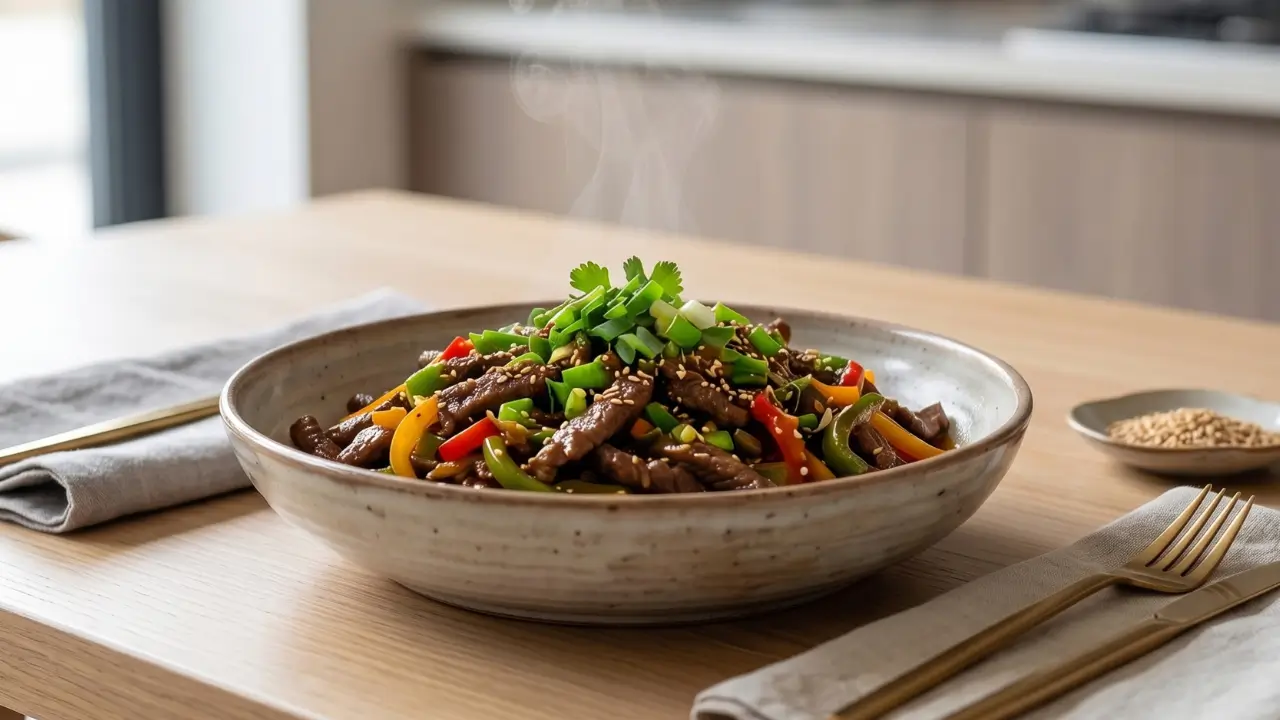
A complete guide to cooking thin sliced beef with expert tips on choosing cuts, marinating, searing, and creating quick weeknight dinners packed with flavor.
Type: Main Course
Cuisine: (Article includes Asian, Mediterranean, American flavors)
Keywords: thin sliced beef, shaved beef, quick beef dinner, stir fry beef, ribeye slices, beef cooking guide, weeknight meals, beef marinade, quick meals
Recipe Yield: 4 servings
Calories: Calories: 350 kcal per serving
Preparation Time: PT15M
Cooking Time: PT10M
Total Time: PT25M
Recipe Ingredients:
- 500g thin sliced beef (ribeye, sirloin, or shaved beef)
- 2 tbsp soy sauce
- 1 tbsp sesame oil or olive oil
- 2 cloves garlic (minced)
- 1 tsp fresh ginger (grated)
- 1 tbsp lemon juice or vinegar
- Salt and black pepper
- Optional vegetables (bell peppers, bok choy, snap peas)
- Cooked rice or noodles (for serving)
Recipe Instructions: Pat the thin sliced beef dry using paper towels. Season with salt, pepper and marinade ingredients. Heat a heavy skillet or cast iron pan over high heat. Add oil and let it get very hot. Cook beef in small batches to avoid overcrowding. Sear for 1–2 minutes until just browned. Remove from heat before overcooking. Serve with vegetables, rice or noodles.
5
Understanding the Versatility of Thin Sliced Beef
Thin sliced beef is the secret to quick, tasty dinners. It turns home cooking into a pro-level experience without long hours in the kitchen. These thin cuts are perfect for busy weeknights because of their unique structure.
Why Thin Cuts Cook Faster
Using beef slices means your food heats up fast. Their large surface area compared to thickness means they cook quickly. This way, the meat stays juicy and flavorful, without drying out.
Common Varieties of Beef Slices
Choosing the right cut at the butcher can be tough. But knowing your options makes it easier. You’ll find cuts for everything from delicate carpaccio to hearty stir-fry strips. Pick what fits your recipe and desired texture.
Selecting Ribeye Slices for Tenderness
For a tender experience, go for sliced ribeye. These ribeye slices have lots of fat that melts quickly. This keeps your meal tender and rich, even when cooked fast.
Using Shaved Beef for Quick Meals
When time is tight, shaved beef is a must-have. It’s cut thin for fast cooking, like in Philly cheesesteaks or noodle bowls. It’s easy to prepare and soaks up flavors quickly.
| Cut Type | Best Use Case | Texture Profile | Cooking Speed |
| Ribeye Slices | Steak Sandwiches | Rich and Tender | Very Fast |
| Shaved Beef | Stir-fry or Tacos | Soft and Delicate | Instant |
| Sirloin Slices | Salads or Bowls | Lean and Firm | Fast |
Essential Tools for Preparing Your Beef
Mastering the art of thin cuts needs the right tools for success. When working with beef slices, the right gear ensures even heat and boosts kitchen efficiency.
Choosing the Right Pan or Skillet
A heavy-bottomed skillet is key for a perfect sear. These pans hold heat well, keeping it steady even when adding cold meat.
Cast iron is great for beef slices as it gets non-stick over time. For stainless steel, look for a thick core for even heat.
Importance of High-Heat Cooking Utensils
Right utensils help you cook fast and safely at high temperatures. Long-handled stainless steel tongs are perfect for flipping beef slices without getting too close.
Stay away from plastic tools that can melt or warp in heat. Choose heat-resistant silicone or metal spatulas for safety and durability.
Safety Tips for Handling Raw Meat
Keeping your workspace clean is crucial when handling beef slices to avoid bacteria spread. Follow these tips for a safe kitchen:
- Use a dedicated cutting board for raw proteins, preferably non-porous plastic.
- Wash your hands with warm, soapy water for at least twenty seconds after touching raw meat.
- Sanitize all surfaces and utensils right after touching raw ingredients.
- Store raw meat in the fridge until you’re ready to cook.
Selecting the Best Cuts for Your Recipe
Your journey to a perfect meal starts at the butcher counter. The quality of your dish depends on the raw ingredients you choose. Knowing how to pick premium meat ensures your shaved beef stays tender and flavorful.
Identifying Quality Beef at the Butcher Counter
Look for a bright, cherry-red color in the meat at the display case. Avoid packages with browning or too much liquid. A good butcher will help you find the freshest ribeye slices for your needs.
Check the meat’s texture. It should be firm and dry, not slimy. If buying pre-packaged meat, make sure the seal is tight and there are no holes. Freshness is key for a top-notch dish at home.
Why Marbling Matters for Flavor
Marbling is the white fat in the meat. It melts during cooking, making the meat juicy. Choosing a sliced ribeye with good marbling ensures juiciness.
More marbling means a tenderer meat. While leaner cuts might seem appealing, fat carries flavor. A bit of marbling makes your dishes unforgettable.
Preparing Beef Carpaccio Style Cuts at Home
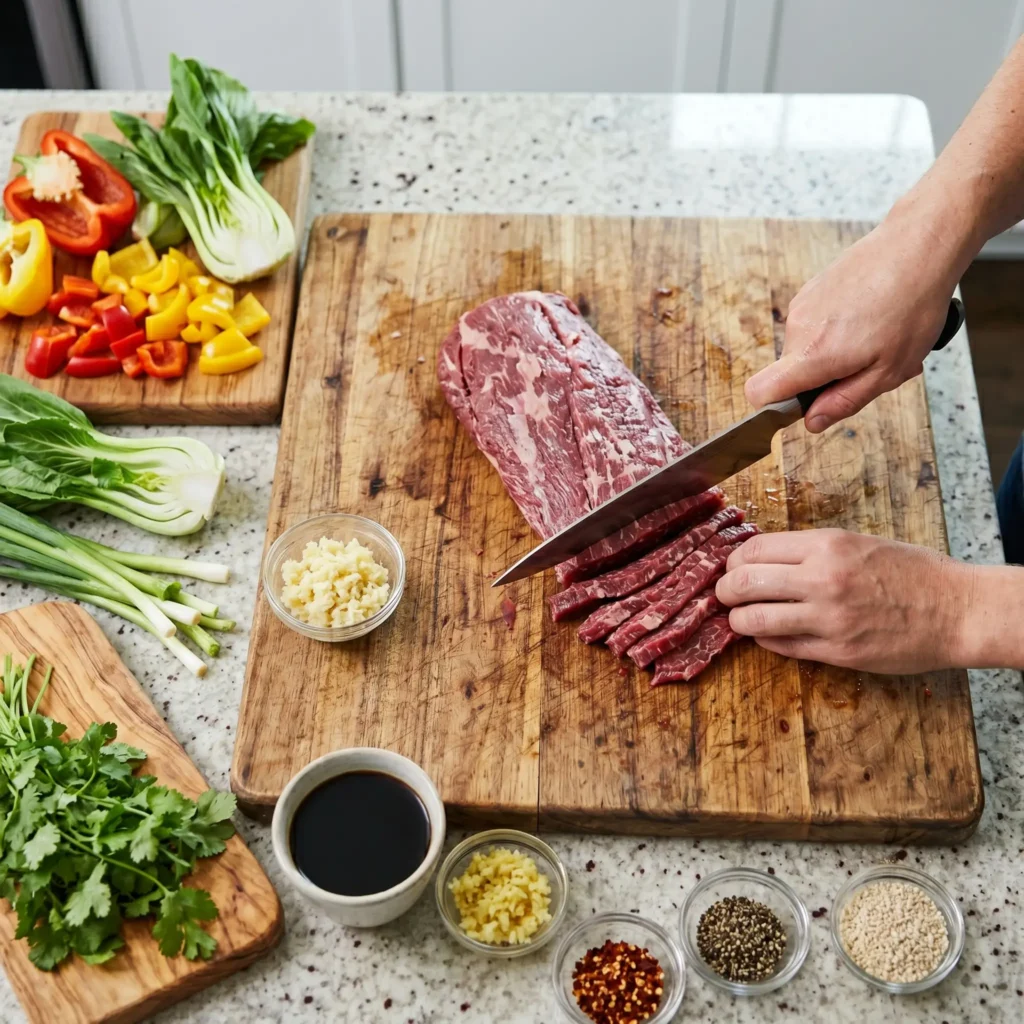
Making beef carpaccio at home is easy with a few tricks. Start with a high-quality, lean tenderloin or sirloin roast. Freeze it for 45 to 60 minutes until firm but not frozen.
Then, use a sharp knife to slice it thinly against the grain. This makes paper-thin slices perfect for raw or quick searing. Here’s a table to help you choose the right cut:
| Cut Type | Best Use | Fat Content |
| Ribeye | Stir-fry & Searing | High |
| Sirloin | Carpaccio & Grilling | Medium |
| Tenderloin | Delicate Carpaccio | Low |
Mastering the Art of Thin Sliced Beef Preparation
Getting the perfect texture starts before you cook. When you use thin sliced beef, every step matters. Handling your ingredients with care keeps your meal tender and tasty.
Proper Thawing Techniques for Frozen Slices
When thawing frozen meat, safety comes first. Never thaw beef on the counter, as it can grow bacteria. Here are safe ways to thaw:
- Refrigerator Thawing: Put the package on a plate in the fridge overnight for slow thawing.
- Cold Water Method: Seal the beef in a leak-proof bag and soak it in cold water, changing the water every 30 minutes.
- Microwave Defrosting: Use this only if you plan to cook the meat right away to avoid uneven texture.
Seasoning Strategies to Enhance Natural Beef Flavor
Seasoning should bring out the meat’s natural flavors, not hide them. Thinly sliced beef absorbs flavors fast. So, add your dry rubs or salt just before cooking to keep moisture in.
“Great seasoning is about balance; let the quality of the beef shine through by using simple, high-quality ingredients like sea salt and freshly cracked black pepper.” Professional Chef
Marinating for Maximum Tenderness
Marinating helps break down tough fibers in your meat. Since you’re using thin sliced beef, a short marinating time works best. A 15 to 30 minute soak is enough to add flavor and tenderness.
Make sure your marinade has an acidic part like citrus juice, vinegar, or yogurt. These help tenderize the meat’s surface. Be careful not to over-marinate, as too much acid can make the beef mushy.
Cooking Techniques for Perfect Results
To get the perfect texture in beef, timing and temperature are key. Thin cuts need quick action to stay tender, not tough. Learning these skills can make your cooking as good as a pro’s.
Searing Techniques for Sliced Beef for Stir Fry
When cooking sliced beef for stir fry, aim for a tasty crust and juicy inside. Make sure your pan is very hot before adding the meat. This quick sear keeps the juices in and adds flavor.
Don’t put too much meat in the pan at once. This stops it from browning well. Cook in small batches to keep the pan hot. This trick helps your beef look great and stay tender.
Avoiding Overcooking Your Beef
Overcooking makes beef tough and chewy. Thin slices cook fast, so watch them closely. Take the meat off the heat when it’s just not pink anymore. The heat will keep cooking it a bit.
For beef carpaccio, you might only sear one side. This keeps the meat soft and adds a smoky taste. Always check the meat and use a timer, not just guess.
Managing Heat Levels in Your Kitchen
How hot your stove is matters a lot. High heat is good for searing, but turn it down fast to avoid burning. Consistency is key when cooking with many ingredients at once.
Think about your cookware when adjusting heat. Cast iron holds heat well for searing, while stainless steel changes heat faster. Here’s a guide to help you choose the right heat for your dish:
| Cooking Method | Ideal Heat Level | Primary Benefit |
| High-Heat Sear | Maximum | Develops rich, caramelized crust |
| Quick Sauté | Medium-High | Maintains tenderness and moisture |
| Gentle Warming | Low | Prevents toughness in delicate cuts |
Flavor Profiles and Global Inspirations
Your thin sliced beef is a blank canvas for global flavors. Try different seasonings to turn a simple meal into an exotic culinary journey. Whether you like subtle flavors or bold spices, the right mix will make your dish pop.
Classic Soy and Ginger Combinations
Soy sauce and fresh ginger make a savory base loved in many Asian dishes. This combo is great with thin beef because soy’s saltiness gets into the meat fast. Always use low-sodium soy sauce to control the dish’s saltiness.
Grate your ginger finely for even distribution on the beef. A splash of toasted sesame oil at the end adds a nutty aroma that completes the flavor.
Mediterranean Herb Infusions
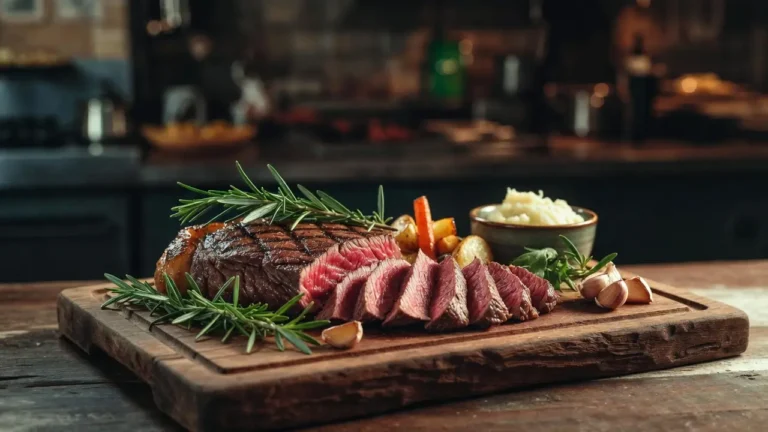
For a lighter, more fragrant taste, look to the Mediterranean. Fresh rosemary, thyme, and oregano add an earthy depth to high-quality beef. Infusing your cooking oil with these herbs before adding the meat ensures every bite is flavored.
“The secret to great cooking lies in the balance of aromatics; let your herbs bloom in the heat before the protein hits the pan.” — Anonymous Chef
Finish your dish with fresh lemon juice or high-quality sea salt. These touches brighten the beef’s richness, making for a refreshing, sophisticated meal.
Spicy Chili and Garlic Variations
For a bold kick, try spicy chili and garlic. This mix combines sharp garlic with chili’s lingering heat. Be careful not to burn the garlic, as it can turn bitter under high heat.
Adjust the heat by using different peppers. Choose Thai bird’s eye chilies for intense heat or mild Aleppo pepper for a gentle warmth. This method is perfect for quick stir-fries where ingredients cook fast to keep their texture.
| Flavor Profile | Key Ingredients | Best Cooking Method |
| Asian Fusion | Soy, Ginger, Sesame | High-heat stir-fry |
| Mediterranean | Rosemary, Garlic, Lemon | Pan-searing |
| Spicy Heat | Chili, Garlic, Paprika | Flash-frying |

Pairing Your Beef with Sides and Bases
Turning a simple dinner into a gourmet meal is easy with the right sides. A great meal needs a good balance between the main dish and its sides. Serving thinly sliced beef means making sure every bite is perfect.
Selecting the Best Grains and Noodles
Choose bases that soak up meat juices well. Steamed jasmine rice or brown rice are great because they don’t overpower the meat. For noodles, pick ones that stay firm, like udon or rice vermicelli.
These options make sure you get all the tasty juices from your thinly sliced beef. Texture is important, so look for something chewy to contrast with the meat’s softness.
Fresh Vegetable Pairings for Balance
Fresh veggies add a needed crunch and brightness. Snap peas, bok choy, or shaved carrots are perfect. They make your meal colorful and healthy.
- Snap peas: Provide a refreshing, sweet crunch.
- Bok choy: Wilts perfectly when tossed with hot meat.
- Bell peppers: Add a mild sweetness and vibrant color.
Sauces That Complement Thin Beef
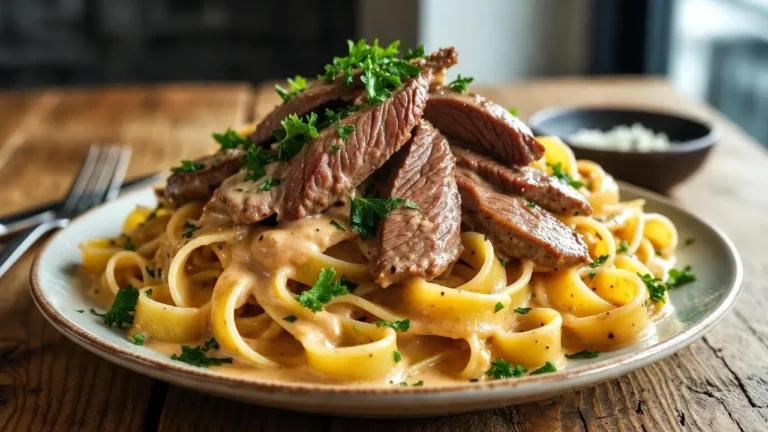
The right sauce should highlight the meat’s flavor, not hide it. A light glaze with soy sauce, sesame oil, and herbs is often best. Avoid thick, creamy sauces that can overpower the thinly sliced beef.
Try citrus-based ponzu or a beef stock and herb reduction. Keep it simple to let the beef’s flavor shine.
Common Mistakes to Avoid When Cooking Beef Slices
Even the most skilled home chefs sometimes struggle with the texture of their meat. When working with beef slices, small errors in your process can significantly impact the final quality of your meal. By identifying these common pitfalls, you can ensure your dinner turns out perfectly every time.
Preventing Toughness Through Proper Slicing
The most frequent cause of chewy meat is failing to identify the direction of the muscle fibers. You must always slice against the grain to shorten the fibers, which makes the meat much easier to chew. If you cut parallel to the grain, the meat will remain tough regardless of how well you cook it.
Managing Moisture Content in the Pan
Excess moisture is the enemy of a good sear. If your meat is wet when it hits the pan, it will steam instead of browning, leading to a gray and unappetizing appearance. Always pat your meat dry with paper towels before cooking to ensure a crispy, flavorful crust develops quickly.
Avoiding Overcrowding the Cooking Surface
When preparing sliced beef for stir fry, it is tempting to dump all the meat into the pan at once. But, overcrowding the surface causes the temperature of the pan to drop rapidly. This prevents the meat from browning and forces it to release its juices, resulting in a boiled texture.
- Work in small batches to maintain high heat.
- Ensure there is enough space between each piece of meat.
- Use a large enough skillet to allow for proper air circulation.
By following these simple adjustments, you will notice a massive improvement in your beef slices. Consistency is key to mastering these techniques in your own kitchen.

Conclusion
Cooking with thin sliced beef makes your meals more exciting. You know how to pick the best cuts and cook them just right. This way, you get perfect results every time.
Your kitchen becomes a place for adventure when you mix spices and fresh ingredients. Try pairing your favorite beef with colorful veggies or hearty grains. This creates balanced and delicious meals. You can find great beef at Omaha Steaks or local butcher shops.
Every meal you make boosts your confidence. Keep trying new marinades and searing methods. This will help you find flavors you love. Share your best dishes with loved ones to enjoy the happiness of cooking at home.
Begin your next cooking adventure by choosing top-quality beef. These simple steps will help you become a skilled home chef.
FAQ
What are the best ways to use thin sliced beef for quick weeknight dinners?
Thin sliced beef is great for busy weeknights. You can make a Philly Cheesesteak with ribeye slices. Or, toss it in a stir-fry or simmer it in ginger-soy broth for Gyudon.Because it’s thin, it cooks fast. This saves time compared to regular steaks.
Why should I choose sliced ribeye over other beef slices?
Sliced ribeye is tender and full of flavor. Its fat melts during cooking, adding richness. Look for brands like Certified Angus Beef for quality.
How can I achieve a professional sear on sliced beef for stir fry without it getting tough?
Use high heat and a heavy pan, like a Lodge cast iron skillet. Don’t overcrowd the pan. Cook in batches to keep the meat tender.
Can I prepare beef carpaccio style cuts at home safely?
Yes, start with fresh, high-quality tenderloin. Freeze it for an hour to firm it up. Then, use a sharp knife to shave it thinly.
What is the best way to thaw frozen shaved beef?
Thaw it in the fridge overnight. If you’re in a rush, thaw it in cold water, changing the water every 30 minutes. Avoid microwaving to prevent toughness.
How do I prevent thin sliced beef from becoming chewy?
Chewy meat comes from cutting with the grain or overcooking. Cut against the grain and cook quickly. A marinade with lemon or vinegar can also help.
What are some global flavor profiles that pair well with beef slices?
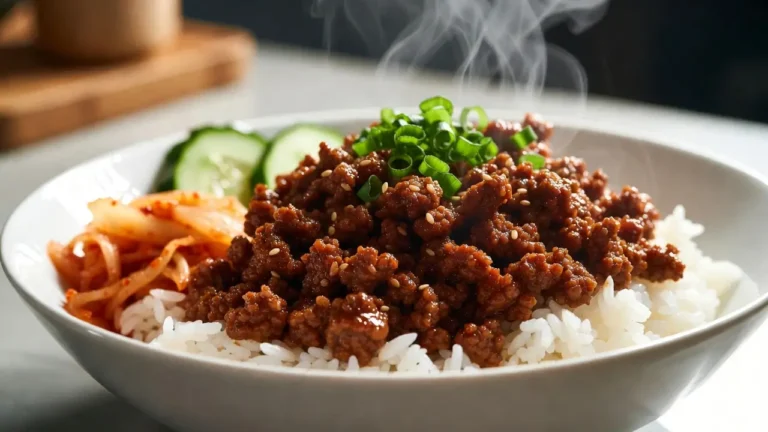
Try Korean Bulgogi with pear juice, soy sauce, and sesame oil. Or, go Mediterranean with rosemary, garlic, and Bertolli olive oil. These flavors enhance the meat’s natural taste.
What equipment is essential for handling thinly sliced beef?
You’ll need a good skillet and stainless steel tongs or a wide spatula. A Le Creuset pan is also great for even cooking without sticking.
Did You Try This Recipe ?
There are no reviews yet. Be the first one to write one.