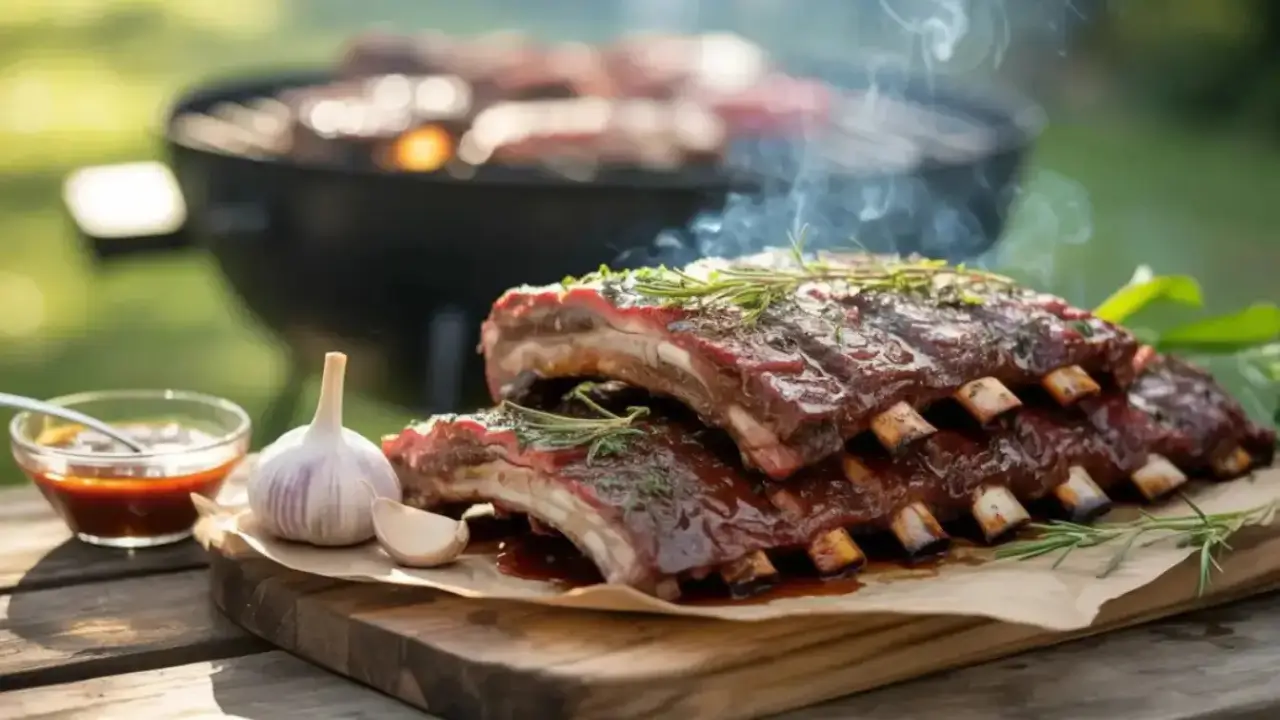
Delicious Grilled Beef Ribs: Easy and effective Tips
Imagine hosting a summer cookout where the aroma of slow-cooked meat fills the air. You can easily master the art of making grilled beef ribs that fall right off the bone. It takes more than just fire to achieve that perfect smoky crust and tender interior.
Finding the best beef ribs recipe is often the primary step toward culinary success. By following professional techniques, you will elevate your outdoor cooking skills instantly. These simple yet effective methods ensure every bite stays juicy and packed with rich flavor.
You deserve to enjoy a meal that rivals any famous Texas smokehouse. Let’s explore how to select the finest cuts and manage your heat source like a pro. Transform your next weekend gathering into a memorable feast with these expert insights.
Table of Contents
Key Takeaways
- Select well-marbled cuts for maximum tenderness and deep flavor.
- Maintain a low and steady temperature throughout the entire process.
- Apply a balanced dry rub several hours before you start cooking.
- Use hardwood chunks like hickory or oak for authentic smoky notes.
- Allow the cooked meat to rest to keep the juices locked inside.
- Trim excess silver skin to ensure the seasonings penetrate the surface.
Selecting the Best Cuts for Grilled Beef Ribs
Finding the perfect BBQ beef ribs begins with picking the right meat. For tender ribs that fall off the bone, knowing the different beef ribs is key.
Understanding Beef Rib Varieties
Beef ribs have several types, each with its own traits. Back ribs come from the loin area, near the spine. They have leaner meat and a milder taste. Short ribs, from the lower rib cage, are meatier.
Here’s what sets them apart:
- Back Ribs: Leaner, less fat, more delicate flavor.
- Short Ribs: Meatier, often braised, can be more flavorful because of more fat.
Identifying Quality Marbling and Bone Structure
When picking beef ribs, look for good marbling and bone structure. Marbling is the fat in the meat that makes it tender and flavorful. A strong bone structure adds flavor and helps make the ribs tender when cooked right.
| Characteristics | High Marbling | Low Marbling |
| Tenderness | Tender, falls off the bone | Can be tougher |
| Flavor | More complex, richer | Less complex |
| Bone Structure | Affects cooking time and tenderness |
Understanding these points helps you choose the best beef ribs for grilling. This way, your BBQ beef ribs will be tender and full of flavor.
Essential Tools and Equipment for Your Grill
Grilling beef ribs to perfection needs more than a great recipe. It also requires the right tools. The type of grill and accessories you choose can greatly affect the taste, texture, and quality of your grilled meat ribs.
The debate often centers on whether to use a charcoal or gas grill. Each has its own benefits.
Choosing Between Charcoal and Gas Grills
Charcoal grills are loved for the smoky flavor they add to smoked beef ribs. They give a traditional grilling feel and can get very hot for a perfect sear. But, they need more work to set up and keep going.
Gas grills, on the other hand, are easy to use and heat up fast. They let you control the temperature well, making them great for those who like things consistent. But, they might not give the smoky taste that charcoal grills do.
| Feature | Charcoal Grills | Gas Grills |
| Flavor Profile | Smoky, rich flavor | Cleaner, more controlled flavor |
| Temperature Control | More challenging to control | Easy to adjust and maintain |
| Convenience | Requires more setup and maintenance | Quick to heat up and easy to use |
Best Grilled Beef Ribs Recipe (Tender & Smoky BBQ Guide)
Learn how to make tender grilled beef ribs with a smoky crust and juicy interior. Follow expert tips for perfect BBQ beef ribs every time.
Type: Main Course
Cuisine: American (BBQ / Texas-style)
Keywords: grilled beef ribs, bbq beef ribs, smoked beef ribs, tender beef ribs, summer grilling, outdoor bbq, texas barbecue, beef rib recipe
Recipe Yield: 4 servings
Calories: 650 kcal per serving (estimated)
Preparation Time: PT1H
Cooking Time: PT3H
Total Time: PT4H
Recipe Ingredients:
- 2 racks beef ribs (short ribs or back ribs)
- 2 tbsp kosher salt
- 2 tbsp black pepper
- 1 tbsp smoked paprika
- 1 tbsp garlic powder
- 1 tbsp onion powder
- 2 tbsp brown sugar
- 1 tbsp olive oil
- Wood chunks (hickory or oak)
Recipe Instructions: Trim excess fat and remove silver skin from the ribs. Bring the ribs to room temperature for 30–60 minutes. Apply dry rub evenly on all sides and let rest for at least 1 hour. Preheat grill and set up two-zone heat (direct + indirect). Sear ribs over direct heat for 2–3 minutes per side. Move ribs to indirect heat and cook low and slow. Add wood chunks (hickory or oak) for smoke flavor. Maintain temperature between 225°F–250°F. Cook until internal temperature reaches 190–203°F. Remove ribs and let rest for 15–20 minutes. Slice against the grain and serve.
5
Must-Have Grilling Accessories
Some accessories are key, no matter your grill type. You’ll need a grill brush for cleaning, tongs or spatulas for handling, and a meat thermometer to check the ribs’ temperature.
Good grilling tools make the process smoother and improve your dish’s quality.
Preparing Your Meat for the Perfect Sear
To grill beef ribs that are both tender and flavorful, preparation is key. Proper preparation not only enhances the texture but also ensures that your grilled beef ribs are cooked evenly throughout.
Before diving into the grilling process, it’s essential to understand that the quality of your final dish heavily relies on the steps you take beforehand. This includes handling and preparing your meat to achieve that perfect sear.
Trimming Excess Fat and Silver Skin
One crucial step in preparing your beef ribs is trimming excess fat and removing the silver skin. Excess fat can lead to flare-ups on the grill, potentially charring your tender beef ribs beyond recognition. Silver skin, on the other hand, is a tough connective tissue that can make your ribs seem less tender than they actually are.
To trim excess fat, use a sharp knife to carefully cut away any thick layers, leaving a thin layer to keep the meat moist. For the silver skin, locate the membrane on the back of the ribs and gently pry it off with your fingers or a knife, working from one end of the rack to the other.
| Preparation Step | Purpose | Tool/Method |
| Trimming Excess Fat | Prevents flare-ups and promotes even cooking | Sharp knife |
| Removing Silver Skin | Enhances tenderness and flavor penetration | Fingers or knife |
The Importance of Room Temperature Meat
Bringing your beef ribs to room temperature before grilling is another vital step. This ensures that the meat cooks more evenly, as cold meat can lead to a charred exterior before the interior reaches the desired temperature.
To bring your ribs to room temperature, simply remove them from the refrigerator and let them sit at room temperature for about 30 minutes to an hour before grilling. This simple step can make a significant difference in the quality of your grilled beef ribs.
Crafting the Ultimate Dry Rub and Marinade
To make the best beef ribs, you need a great dry rub and marinade. These two are key to making your BBQ beef ribs stand out. The dry rub adds flavor to the ribs’ surface. The marinade tenderizes the meat and keeps it moist.
Balancing Sweet and Savory Flavor Profiles
It’s important to mix sweet and savory flavors in your dry rub. Sweet things like brown sugar and honey add a rich taste. Savory elements like garlic, onion powder, and paprika add depth.
A good dry rub might have a mix of these. For example, brown sugar, smoked paprika, garlic powder, salt, and black pepper create a balanced flavor.
| Ingredient | Flavor Profile | Role in Dry Rub |
| Brown Sugar | Sweet | Adds caramelized crust |
| Smoked Paprika | Smoky, Savory | Provides depth and smokiness |
| Garlic Powder | Savory | Enhances overall flavor |
| Salt | Savory | Balances flavors and tenderizes |
| Black Pepper | Pungent | Adds a sharp, peppery flavor |
Techniques for Effective Dry Rub Application
How you apply the dry rub is just as important as the ingredients. Make sure to coat all sides of the ribs evenly. Letting the ribs sit after applying the rub helps the flavors soak in.
For the best taste, apply the dry rub at least an hour before grilling. This lets the seasonings soak into the meat, enhancing the flavors.
Mastering Heat Control for Tender Beef Ribs
The secret to tender grilled meat ribs is mastering heat control. When grilling beef ribs, you’re not just cooking meat; you’re crafting an experience. Heat control is key because it affects the tenderness and flavor of your ribs.
By understanding how to manage heat, you can get that perfect balance. You’ll get a caramelized crust and a juicy, tender interior.
Setting Up Two-Zone Grilling
Two-zone grilling divides your grill into two areas. One for high-heat searing and another for lower-heat cooking. This setup helps sear your beef ribs over high heat for flavor and then finish cooking them in a cooler area to prevent overcooking.
To set up a two-zone grill, you can use a charcoal grill with coals on one side or a gas grill with burners off under one section. Here are some key steps to follow:
- Preheat your grill to ensure it reaches the desired temperatures in both zones.
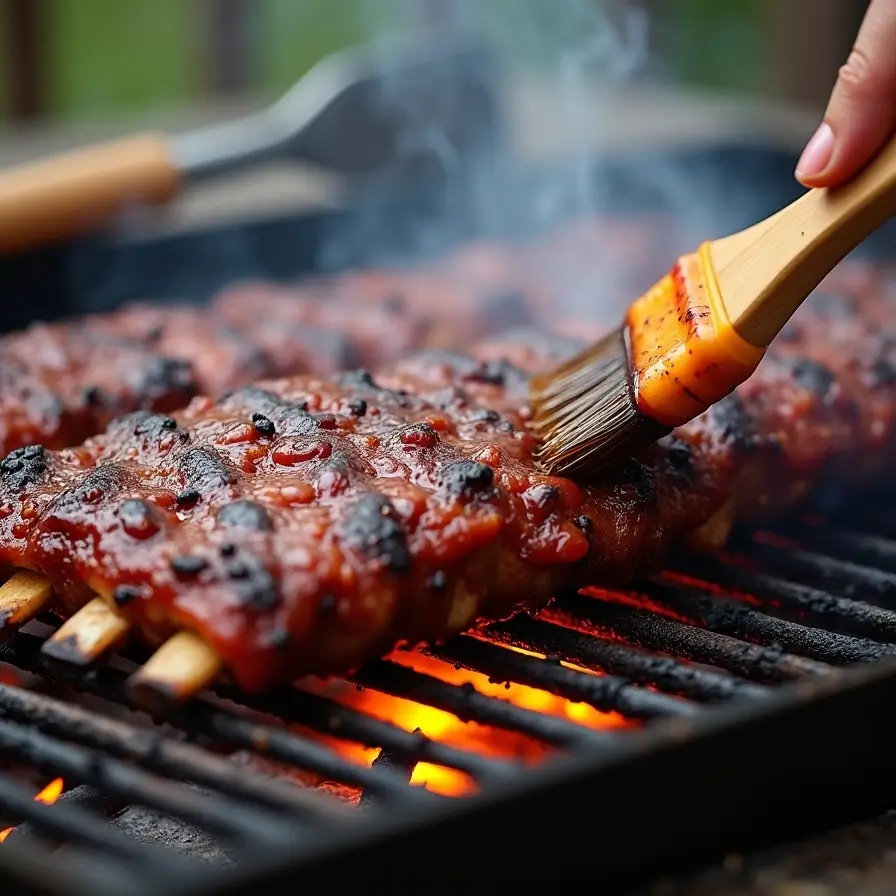
- Sear your ribs in the hot zone for a few minutes on each side to achieve a nice crust.
- Move the ribs to the cooler zone to finish cooking them slowly and evenly.
Managing Internal Temperatures for Success
Managing the internal temperature of your beef ribs is critical to achieving tenderness. The ideal internal temperature for tender beef ribs is between 190°F and 203°F. Using a digital thermometer can help you monitor the internal temperature accurately.
Here are some tips for managing internal temperatures:
- Insert the thermometer probe into the thickest part of the rib, avoiding any bones or fat.
- Monitor the temperature regularly, specially when you’re close to the target range.
- Once the ribs reach the desired temperature, remove them from the grill and let them rest.
The Art of Smoking Beef Ribs on a Grill
To make your grilled beef ribs even better, learn to smoke them. Smoking brings out a rich flavor and tender texture that grilling alone can’t match. It takes patience and practice, but with the right tips, you can get amazing results.
Smoking beef ribs is more than just adding wood chips to the grill. It’s about creating a smoky environment that fills the meat with deep flavors. The wood you choose is very important in this process.
Selecting the Right Wood Chips for Beef
The wood chips you pick can greatly affect the taste of your smoked beef ribs. Different woods give different flavors. For instance, hickory adds a strong, savory taste, while apple wood brings a sweeter, fruitier flavor.
Here’s a quick look at some popular wood types for smoking beef:
| Wood Type | Flavor Profile |
| Hickory | Strong, savory, slightly sweet |
| Apple | Fruity, mild, sweet |
| Mesquite | Earthy, strong, slightly bitter |
Think about the flavor you want when picking wood chips. You can also mix different woods to create a special taste.
Maintaining Consistent Smoke Levels
When smoking beef ribs, keeping the smoke level steady is crucial. This ensures the meat absorbs flavors evenly.
To keep smoke levels consistent, try these tips:
- Use a water pan to help control the temperature and add moisture.
- Keep an eye on your grill’s temperature and adjust the wood chips as needed.
- Think about using a smoke generator or a smoker box to manage smoke output.
“The secret to great barbecue is not just the meat or the sauce, it’s the smoke. Smoke is what gives barbecue its depth and complexity.” –
Aaron Franklin, Pitmaster
Monitoring Progress and Avoiding Common Pitfalls
The secret to delicious, fall-off-the-bone grilled beef ribs is in watching their cooking and avoiding common mistakes. As you grill your bbq beef ribs, keep a close eye and adjust as needed. Use the right tools and know the issues that can pop up during grilling.
Using Digital Thermometers for Accuracy
A digital thermometer is key for safe and tasty grilled beef ribs. Accuracy is key for tender and flavorful results. It lets you check the ribs’ internal temperature without guessing. For bbq beef ribs, aim for a temperature between 160°F and 180°F.
Look for a digital thermometer made for high heat and quick readings. Some even let you check the temperature from afar with wireless features.
| Feature | Benefit |
| Accuracy | Ensures food safety and optimal doneness |
| Speed | Provides quick readings, reducing wait times |
| Convenience | Some models offer remote monitoring capabilities |
Preventing Flare-ups and Charring
Stopping flare-ups and charring is crucial when grilling beef ribs. Flare-ups can char the ribs and add a bitter taste. To avoid this, keep a spray bottle of water handy to put out flames. Also, trimming excess fat from the ribs can help prevent flare-ups.
Keeping your grill clean is also key. Debris from past grilling can catch fire and cause flare-ups. Clean your grill grates often to prevent this.
By following these tips and watching your ribs closely, you can get perfectly cooked, tender, and flavorful grilled beef ribs.
Resting and Serving Your Grilled Meat Ribs
After grilling your beef ribs to perfection, it’s time to focus on resting and serving. This step is crucial to keep your ribs juicy and full of flavor.
Why Resting Time Matters for Juiciness
Resting your grilled meat ribs lets the juices spread evenly. When you grill ribs, the heat pushes juices to the surface. Letting them rest allows these juices to spread, making each bite tender and flavorful.
Resting Time Guidelines:
- For smaller ribs, a resting time of 10-15 minutes is enough.
- Larger ribs need 20-30 minutes to rest.
While resting, the meat stays warm, and the fibers relax. This makes the ribs easier to slice and more enjoyable to eat.
Slicing Techniques for Optimal Texture
The way you slice your grilled meat ribs affects their texture. To get the best tenderness, slice against the grain.
Here are some tips for slicing your ribs:
- Find the direction of the muscle fibers.
- Use a sharp knife to slice in the opposite direction.
- Cut the ribs into portions that are easy to handle.
By following these steps, you’ll enjoy tender, fall-off-the-bone beef ribs. They’re sure to impress anyone.
Pairing Sides to Complement Your BBQ Beef Ribs
To make your BBQ experience complete, pick sides that go well with your bbq beef ribs. The right sides can make your meal more enjoyable for everyone.
Think about the flavor of your BBQ beef ribs when choosing sides. If your ribs have a sweet and tangy BBQ sauce, choose sides with different flavors.
Classic American Barbecue Side Dishes
Classic American barbecue sides are loved for a reason. They match the rich flavors of bbq beef ribs and add variety. Here are some favorites:
- Corn on the cob, grilled to perfection with a sprinkle of paprika and butter
- Baked beans, slow-cooked in a sweet and smoky BBQ sauce
- Coleslaw, made with shredded cabbage, mayonnaise, and a hint of vinegar
- Grilled or roasted vegetables, such as asparagus or bell peppers, seasoned with salt, pepper, and olive oil
| Side Dish | Description | Flavor Profile |
| Corn on the Cob | Grilled corn with paprika and butter | Sweet and Smoky |
| Baked Beans | Slow-cooked beans in BBQ sauce | Sweet and Tangy |
| Coleslaw | Shredded cabbage with mayonnaise and vinegar | Creamy and Refreshing |
Refreshing Salads to Balance Rich Flavors
A refreshing salad can balance the richness of BBQ beef ribs. Choose salads with fresh, seasonal ingredients.
Here are some ideas for refreshing salads:
- A simple green salad with mixed greens, cherry tomatoes, and a light vinaigrette
- A pasta salad with vegetables, herbs, and a zesty Italian dressing
- A quinoa salad with roasted vegetables, nuts, and a citrus-based dressing
By pairing your bbq beef ribs with the right sides, you’ll create a satisfying meal. Your guests will love it.
Conclusion
Now you know how to make delicious grilled and smoked beef ribs. You’re ready to take your grilling to the next level. By choosing the right cuts and using the right tools, you’ll impress everyone with your grilled beef ribs.
To make tender and tasty smoked beef ribs, create a great dry rub and marinade. Keep the smoke levels steady. Watch your ribs closely and avoid common mistakes to get them just right.
With these tips, you’re on your way to becoming a grill master. Whether it’s for a BBQ or a special event, your beef ribs will be a hit. So, fire up your grill and enjoy the delicious flavors and tender texture of your perfectly cooked ribs.
FAQ
Which cuts should I look for when shopping for the most tender beef ribs?
Look for Chuck Short Ribs or Plate Short Ribs for the most tender beef ribs. These cuts have more marbling than back ribs. Choose Certified Angus Beef for the best fat distribution, which makes the ribs tender and buttery.
What equipment do I need to execute the best beef ribs recipe at home?
A high-quality grill like a Weber Kettle or a Traeger Pellet Grill is best. You’ll also need a reliable digital thermometer, like a ThermoWorks Thermapen, and long-handled tongs for safe handling.
Why is it necessary to trim the silver skin before cooking grilled beef ribs?
Trimming the silver skin is key because it doesn’t break down during cooking. If left on, it makes the ribs tough. Removing it ensures the ribs are easy to eat and well seasoned.
How do I balance flavors when creating a rub for bbq beef ribs?
For world-class bbq beef ribs, balance salt, heat, and sweetness. Start with coarse Kosher salt and black pepper, then add brown sugar and paprika. Meat Church Holy Cow rub is great for that Texas-style flavor.
What is the benefit of using two-zone grilling for grilled meat ribs?
Two-zone grilling gives a beautiful crust over direct heat and tender interior over indirect heat. This method prevents burning and ensures tenderness without drying out.
Which wood chips are best for making authentic smoked beef ribs?
Hickory and Oak are top choices for smoked beef ribs. They offer a strong, classic smoke flavor. Cherry wood adds a sweet note and a deep red color to the ribs.
How can I prevent flare-ups and charring while the ribs are on the grill?
Keep a “safe zone” on your grill to avoid flare-ups. Clean your grill before starting to prevent fires. If a flare-up happens, move the ribs to the indirect side until it subsides.
Why is resting the meat so important for achieving juicy, tender beef ribs?
Resting lets the meat reabsorb juices that were pushed to the surface during cooking. Cutting into the ribs too soon spills out these juices, making them dry. Resting for 15 to 20 minutes under foil makes them juicy and tender.
What side dishes pair best with the rich flavors of bbq beef ribs?
Pair bbq beef ribs with sides that offer acidity or crunch. Try vinegar-based coleslaw, pickled red onions, or a cucumber salad. Stubb’s original recipe beans or jalapeño cornbread are also great choices.
Did You Try This Recipe ?
There are no reviews yet. Be the first one to write one.