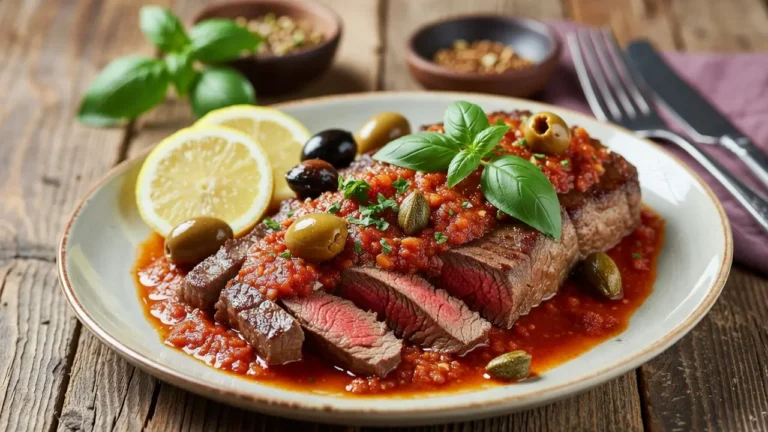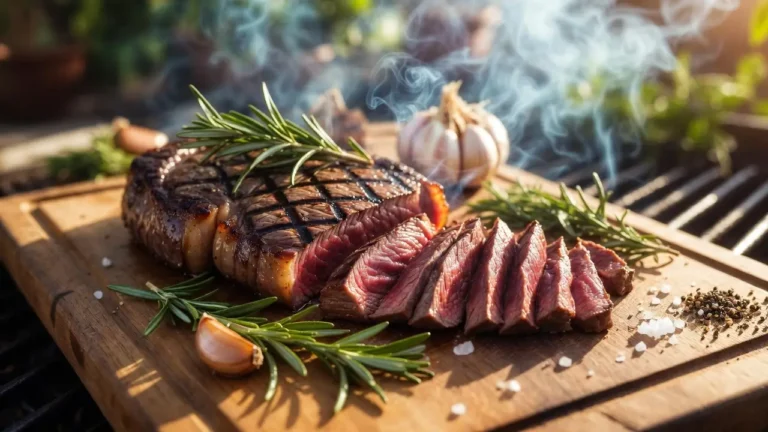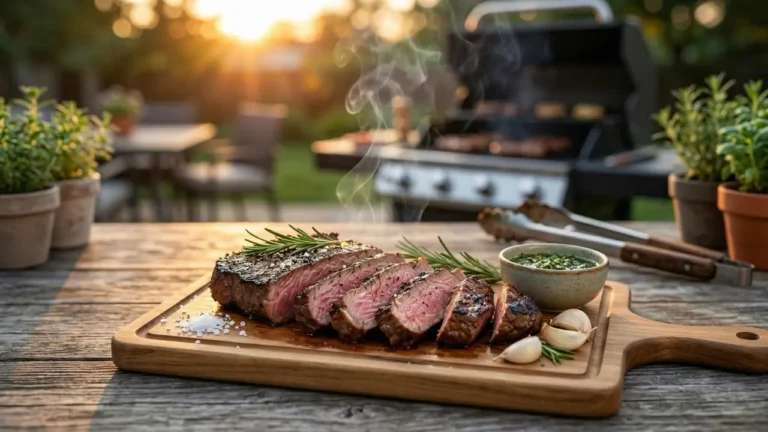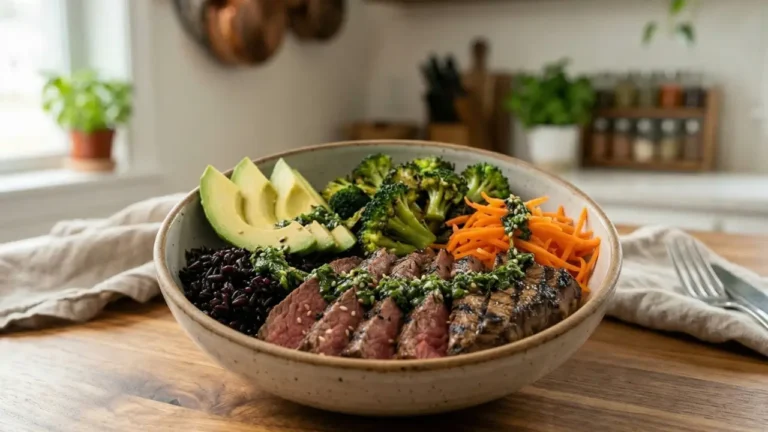
How to Make Steak Pasta: A Perfect Recipe for a Tasty Meal
Want to make your dinner time feel fancy yet cozy? Learning to make steak pasta at home is a great skill. It combines tender steak with perfectly cooked noodles for a delicious meal.
Finding the best steak pasta recipe is easy. With the right steps, you can make a meal that rivals any restaurant. It’s perfect for when you’re hosting or just want to treat your family.
Creating homemade steak pasta lets you pick the best ingredients and flavors. Follow this guide to learn how to sear meat and make savory sauces. You’re just a few steps away from a memorable dinner.
Table of Contents
Key Takeaways
- Select high-quality cuts like sirloin or ribeye for the best texture.
- Cook noodles until al dente to maintain the perfect bite.
- Let your meat rest before slicing to ensure maximum juiciness.
- Use fresh herbs and garlic to enhance the depth of your sauce.
- Pair your finished dish with a light salad for a balanced meal.
Understanding the Fundamentals of Steak Pasta
The key to a great steak pasta is knowing its basics. You must focus on two main things: the quality of the beef and the pasta type.
Selecting the Best Cuts of Beef
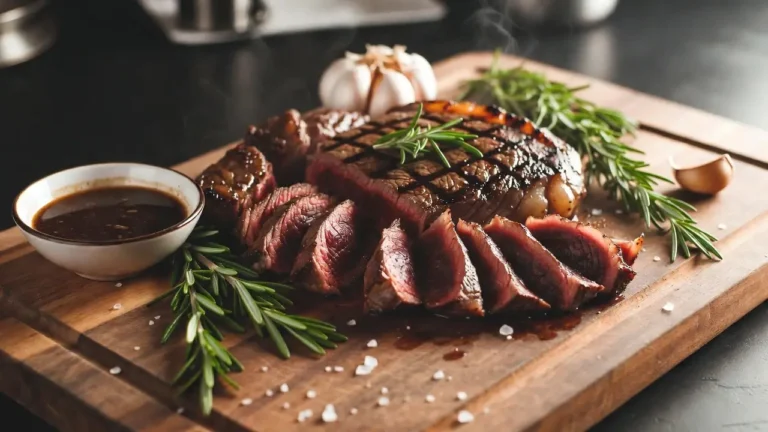
The beef cut is very important in steak pasta. You want it to be both flavorful and tender. Ribeye and strip loin are top picks. They offer great taste and tenderness.
- Ribeye: Rich in marbling, making it tender and flavorful.
- Strip Loin: Offers a balance of tenderness and rich beef flavor.
- Filet Mignon: Tender but lean, ideal for those looking for a leaner option.
Look for marbling when picking a cut. It makes the steak tender and juicy. A well-marbled steak is always a winner.
Choosing the Right Pasta Shape
The pasta shape is as important as the beef. The right shape can make your meal better by matching the sauce and steak. For creamy sauces like creamy steak pasta, choose shapes that hold sauce well.
- Pappardelle: Wide, flat noodles that pair well with hearty, creamy sauces.
- Fettuccine: Long, flat noodles that are classic with creamy sauces.
- Tagliatelle: Similar to fettuccine, with a slightly rougher texture that holds sauce nicely.
Choosing the right pasta shape can make your dish amazing. It’s all about matching the pasta with the sauce and steak.
Essential Kitchen Tools for Success
Creating a delicious steak pasta dish needs more than a great recipe. You also need the right kitchen tools. The right tools make cooking easier and ensure each part of the dish is perfect.
Cast Iron Skillets for Perfect Searing
A cast iron skillet is key for a perfect steak sear. Cast iron skillets heat evenly and keep heat well. To get the best sear, preheat your skillet until it’s almost smoking. Then, add a bit of oil before searing your steak.
Cast iron skillets are great for searing at high heat and then finishing in the oven. This makes them essential for an easy steak pasta dish.
Quality Knives and Cutting Boards
Along with a cast iron skillet, you need quality knives and cutting boards. A sharp knife makes cutting safer and faster. A clean cutting surface is also important.
Getting a good chef’s knife and a durable cutting board helps a lot. It makes cooking more fun and ensures your ingredients are ready well. This helps make your dish better.
Preparing Your Ingredients for the Best Steak Pasta Recipe
To make a delicious steak pasta, start with careful ingredient preparation. This step is key to making each part of your dish ready for cooking. It boosts the flavor and texture of your gourmet steak pasta.
The quality of your steak pasta depends on the ingredients’ quality and prep. It’s not just about having the right stuff. It’s about making sure they’re ready for cooking.
Proper Meat Preparation and Tempering
Getting your steak right is essential. First, let it come to room temperature, called tempering. This ensures the steak cooks evenly.
Next, pat the steak dry with paper towels. This step helps get a great sear. Too much moisture can stop a nice crust from forming.
Seasoning the steak is also key. Use lots of salt and pepper on both sides. You can add other seasonings too, but these are the basics for flavor.
| Meat Preparation Step | Purpose | Benefit |
| Tempering | Bring steak to room temperature | Even cooking |
| Drying | Remove excess moisture | Better sear |
| Seasoning | Add salt, pepper, and other seasonings | Enhanced flavor |
How to Make Steak Pasta: A Perfect Recipe for a Tasty Meal
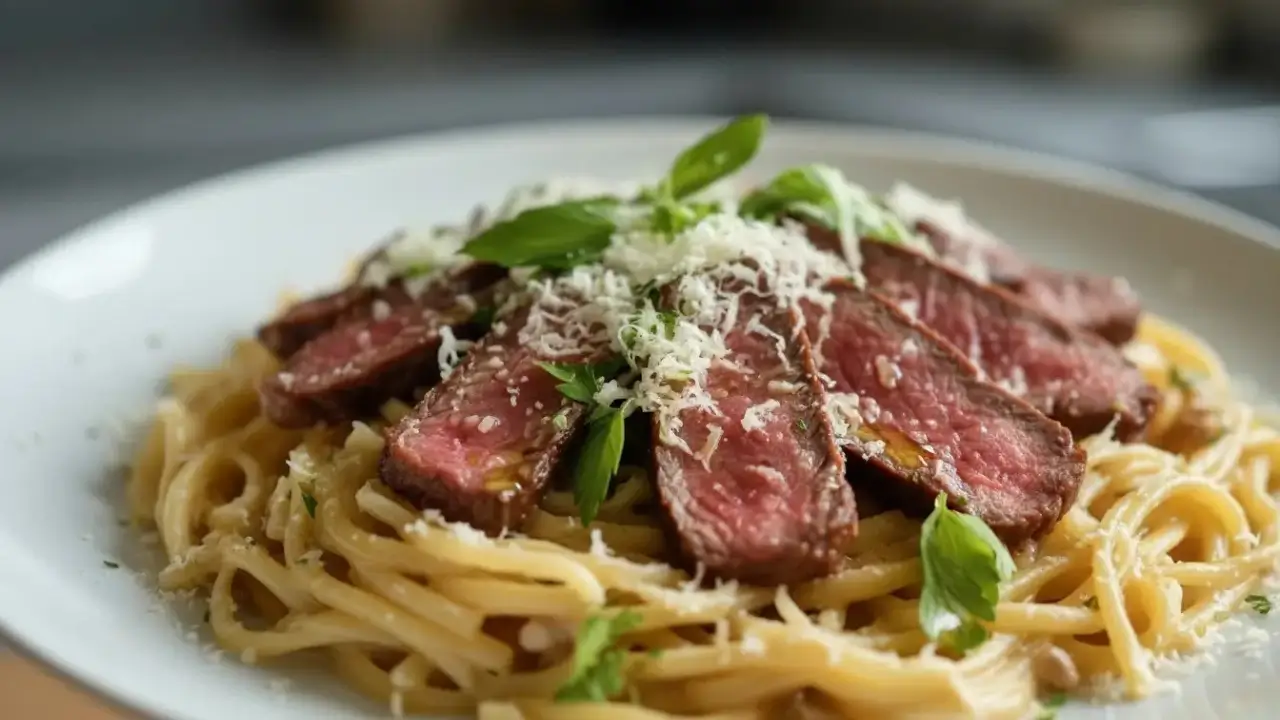
Learn how to make steak pasta with tender beef, creamy sauce, and perfectly cooked noodles. Easy, delicious, and restaurant-quality recipe at home.
Type: Main Course
Cuisine: Italian-American
Keywords: steak pasta, creamy steak pasta, best steak pasta recipe, easy steak pasta, homemade steak pasta, steak pasta dinner, how to cook steak pasta
Recipe Yield: 4 servings
Calories: 650 kcal (approx per serving)
Preparation Time: PT20M
Cooking Time: PT30M
Total Time: PT50M
Recipe Ingredients:
- 2 ribeye or sirloin steaks
- 300g pasta (fettuccine, penne, or pappardelle)
- 3 cloves garlic (minced)
- 1 cup heavy cream
- 1/2 cup grated parmesan cheese
- 2 tbsp butter
- 1 tbsp olive oil
- Salt and black pepper
- Fresh parsley (chopped)
- Optional: cherry tomatoes, mushrooms
Recipe Instructions: Bring a large pot of salted water to a boil and cook pasta until al dente. Season the steak with salt and pepper. Heat a pan and sear the steak for 3–4 minutes per side. Remove steak and let it rest before slicing thinly. In the same pan, add garlic and butter, then pour in cream. Stir in parmesan cheese and simmer until smooth. Add cooked pasta to the sauce and mix well. Add sliced steak on top and gently combine. Garnish with parsley and serve immediately.
4.8
Mise en Place for Aromatics and Herbs
Mise en place means getting everything ready before cooking. It’s a French term for organizing your ingredients. Chop, slice, and measure everything before you start.
For garlic and onions, chop them finely. This helps them cook evenly and release their flavors. Choose fresh herbs and chop them just before adding. This keeps their flavor and aroma strong.
“The difference between a good dish and a great one often lies in the preparation. Mise en place is not just about organization; it’s about ensuring that every ingredient is ready to fulfill its role in the dish.”
Chef Jacques Pépin
By carefully preparing your ingredients, you’re setting up for a culinary success. The detail in this step makes your delicious steak pasta unforgettable.
Mastering the Art of Searing Steak
The secret to a great steak pasta is searing the steak perfectly. Searing isn’t just cooking; it’s about making a flavorful crust that makes the dish better.
Achieving the Perfect Crust
To get a perfect crust, sear the steak at high heat. This process, called the Maillard reaction, mixes amino acids and sugars to create the crust’s taste and color.
First, heat your skillet or grill pan until it’s almost smoking. Use oil with a high smoke point, like avocado oil. Season your steak with salt and pepper just before searing to boost the flavor.
Put the steak in the pan and sear for 3-4 minutes on the first side, depending on its thickness. You’ll see a nice crust start to form. Flip it and sear the other side for another 3-4 minutes.
Determining Doneness Levels
Knowing when your steak is done is key. The doneness is checked by the steak’s internal temperature.
| Doneness Level | Internal Temperature (°F) |
| Rare | 120-130 |
| Medium Rare | 130-135 |
| Medium | 140-145 |
| Medium Well | 150-155 |
| Well Done | 160 and above |
Use a meat thermometer to check the internal temperature. Or, you can use the finger test, feeling the steak’s firmness to guess its doneness.
“The perfect steak is cooked to the right doneness, with a nice char on the outside and juicy inside.” –
A culinary expert
By learning to sear steak well and knowing when it’s done, you’ll make your steak pasta dishes much better. Remember, practice makes perfect, so don’t get discouraged if it takes a few tries.
Cooking Pasta to Al Dente Perfection
To make a mouth-watering steak pasta, you need to master the art of cooking pasta to al dente perfection. This involves understanding the importance of texture and the techniques required to achieve it.
Salting Your Water Correctly
One of the most critical steps in cooking pasta is salting the water correctly. Use about 1-2 tablespoons of salt for every 4 cups of water. This enhances the flavor of the pasta and helps to season it evenly. Properly salted water also helps to cook the pasta more efficiently.
Timing and Texture Management
Managing the cooking time and texture of your pasta is crucial. To achieve al dente perfection, you should check the pasta frequently towards the end of the recommended cooking time. The ideal texture is when the pasta still has a bit of bite or chew to it, but is not hard or crunchy.
To ensure your pasta is cooked just right, follow these steps:
- Check the package instructions for the recommended cooking time.
- Start checking the pasta a minute or two before the recommended time is up.
- Use the bite test to determine if the pasta is al dente.
By mastering these techniques, you can create a delicious homemade steak pasta dish that is sure to impress.
Creating a Rich and Creamy Steak Pasta Sauce
Take your steak pasta to the next level with a creamy sauce. It’s surprisingly easy to make. The sauce should enhance the steak and pasta flavors.
Deglazing the Pan for Flavor
After searing your steak, the pan is full of flavor. Deglazing this pan captures all the tasty browned bits. Add a bit of red wine or beef broth to the pan, then scrape the bottom with a spoon.
This step adds depth to your sauce. It also makes sure you don’t lose any of the steak’s flavorful crust.
Emulsifying Cream and Cheese
To get a smooth sauce, you need to emulsify the cream and cheese. Start by adding grated cheese slowly, stirring constantly to avoid lumps. Warm the heavy cream before adding it to the sauce.
Stir constantly and gently. This ensures the sauce thickens evenly without breaking.
By following these steps, you’ll make a creamy steak pasta sauce that will wow everyone. It’s perfect for any occasion, from a weeknight dinner to a special event.
Step by Step Guide to How to Cook Steak Pasta
The moment of truth arrives as you combine the steak, pasta, and sauce. This creates a mouth-watering steak pasta dinner. It’s crucial as it brings together the flavors and textures you’ve carefully prepared.
Combining the Components
To start, slice your cooked steak against the grain into thin strips. This ensures the steak distributes evenly throughout the dish and is tender with each bite.
Next, add your cooked pasta to a large mixing bowl or directly to the serving platter. If using a bowl, toss the pasta with a portion of the sauce to coat it evenly.
Then, add the sliced steak on top.
Tossing with Sauce
Pour the remaining sauce over the steak and pasta. Use tongs or a large serving spoon to gently toss everything together. This ensures the pasta is well coated and the steak is distributed throughout. Be gentle to avoid breaking the pasta.
Finishing with Fresh Herbs and Seasoning
To elevate your delicious steak pasta, sprinkle freshly chopped herbs such as parsley or basil over the top. You can also add a sprinkle of grated Parmesan cheese for an extra burst of flavor.
Taste and adjust the seasoning as needed. A final grind of black pepper can add a nice depth to the dish.
Your steak pasta dinner is now ready to be served. Consider garnishing with additional herbs or a drizzle of extra virgin olive oil for a finishing touch.
Elevating Your Homemade Steak Pasta with Gourmet Additions
To elevate your homemade steak pasta, add gourmet touches. These can boost flavor and look. Your homemade steak pasta will then feel like a fancy restaurant dish.
Start by using fresh, top-quality ingredients. This not only tastes better but also looks great.
Incorporating Fresh Vegetables
Fresh veggies add flavor, color, and texture. Try sautéing or roasting asparagus, bell peppers, or cherry tomatoes. This brings out their natural sweetness.
- Asparagus: Adds a tender crunch and a pop of green.
- Bell Peppers: Provides a sweet, slightly smoky flavor when roasted.
- Cherry Tomatoes: Bursting with juicy sweetness, they complement the savory flavors of steak and pasta.
| Vegetable | Preparation Method | Flavor Profile |
| Asparagus | Sautéed with garlic | Tender, slightly bitter |
| Bell Peppers | Roasted | Sweet, smoky |
| Cherry Tomatoes | Halved and tossed with olive oil | Juicy, sweet |
Adding Texture with Toppings
Texture is key for a great dining experience. Toppings can change how your gourmet steak pasta feels. Here are some ideas:
- Toasted Nuts or Seeds: Adds a satisfying crunch.
- Fresh Herbs: Provides a bright, fresh flavor.
- Grated Cheese: Offers a rich, creamy element.
By adding these gourmet touches, your homemade steak pasta becomes a standout meal. It will impress both your taste buds and your eyes.
Common Mistakes to Avoid When Making Steak Pasta
To make your steak pasta just right, avoid some common mistakes. A tasty creamy steak pasta needs focus and practice. Knowing these mistakes can help you do better.
Preventing Overcooked Meat
Getting the steak just right is key in cooking steak pasta. Overcooking makes the steak tough and dry. Use a thermometer to check the steak’s internal temperature.
For medium-rare, aim for 130°F to 135°F (54°C to 57°C). Let the steak rest for a few minutes before slicing it thinly against the grain. This makes the steak tender and juicy.
Avoiding Clumpy or Broken Sauces
A creamy steak pasta sauce can go wrong if it clumps or breaks. To avoid this, add the cream or cheese slowly while whisking.
Keep the heat moderate and don’t let the sauce boil too hard. This can cause it to break. If using cheese, mix it in off the heat until it’s fully incorporated.
By avoiding these mistakes, you can make a steak pasta dish that wows everyone.

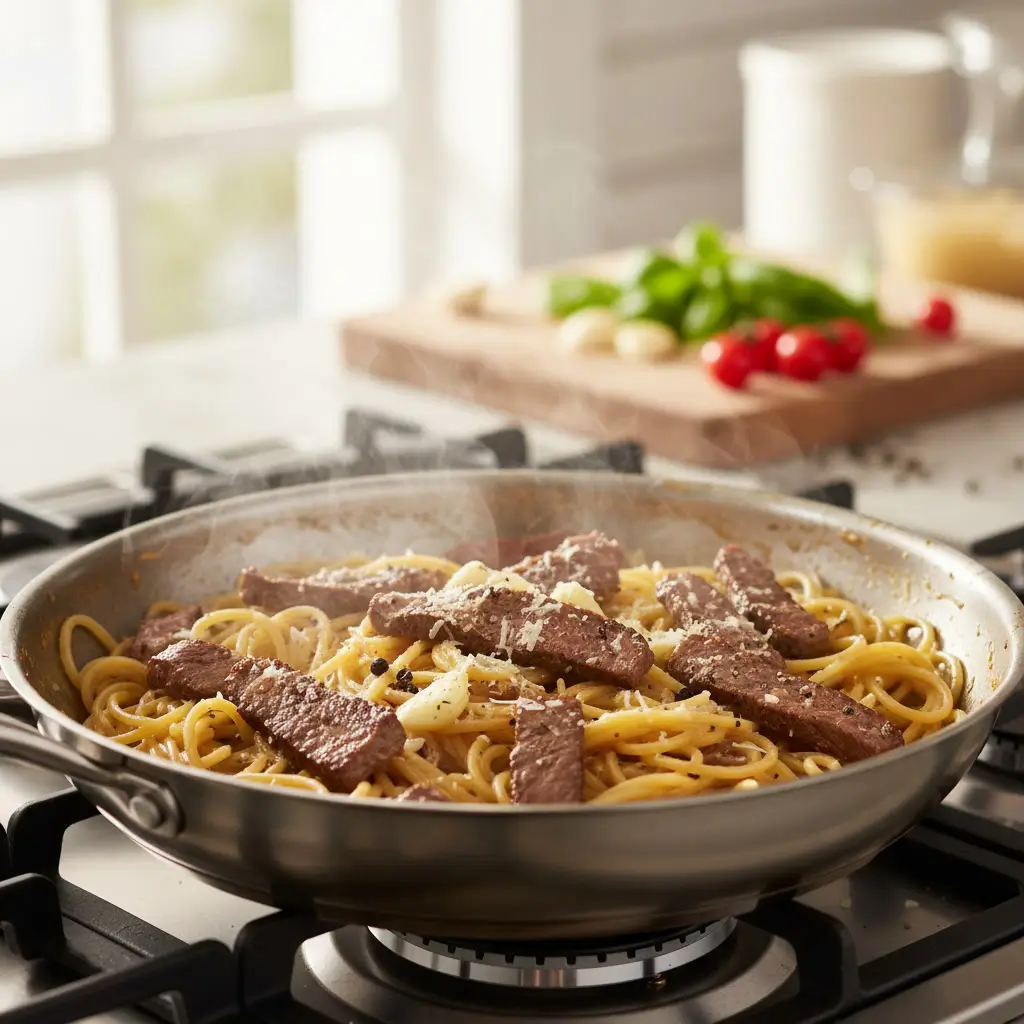
Pairing Your Delicious Steak Pasta with Sides and Drinks
Pairing your steak pasta with the right sides and drinks can make your meal even better. A great dinner is about more than just the main dish. It’s about finding a balance of flavors and textures that excite your taste buds.
Choosing the right wine for your steak pasta dinner is key. The right wine can bring out the best in both the steak and pasta, making your meal unforgettable.
Selecting the Right Wine
Choosing the perfect wine for your steak pasta depends on the steak type, pasta sauce, and flavor you want. For a classic dish, a medium-bodied red like Pinot Noir or Merlot is great. These wines balance acidity and tannins, enhancing the steak and pasta’s richness.
If you like white wine, a crisp Sauvignon Blanc can cut through creamy sauces. A rich, oaky Chardonnay pairs well with perfectly cooked steak.
Complementary Side Dishes
Good side dishes can also make your easy steak pasta dish even better. Look for sides with different textures and flavors to balance your meal. Roasted veggies like asparagus or Brussels sprouts add a nice crunch and freshness.
A simple green salad with a light vinaigrette can refresh your palate. For something comforting, try garlic bread or sautéed spinach. They complement the savory flavors without overpowering them.
Remember, finding the right sides and drinks for your steak pasta is all about experimenting. Try new wines and sides to find your favorite pairings.
Storing and Reheating Your Steak Pasta Dinner
Leftover steak pasta can be just as tasty as when it’s first made. Just make sure to store and reheat it right. This keeps the flavor and texture of your homemade steak pasta just right.
Best Practices for Leftovers
For fresh-tasting leftovers, store them in airtight containers. This stops moisture and other tastes from getting in. Try to keep the pasta, steak, and sauce in separate containers to avoid sogginess.
Let the leftovers cool down to room temperature within two hours. Then, refrigerate or freeze them quickly. Leftovers in the fridge stay good for 3 to 4 days. Frozen ones can last up to 3 months.
Maintaining Texture During Reheating
Reheating your steak pasta right is key to keeping it tasty and textured. For fridge leftovers, reheat each part separately. Use a pan with a bit of oil to warm up the steak gently. For the pasta, a quick dip in boiling water or steaming works well. The sauce can be warmed up in a pan over low heat, stirring often.
If you froze your leftovers, thaw them in the fridge overnight before reheating. You can also use a microwave-safe dish, but stir and check the temperature often to avoid burning.
Reheating Methods Comparison
| Reheating Method | Time | Texture Preservation |
| Pan Reheating | 5-10 minutes | High |
| Microwave Reheating | 2-3 minutes | Medium |
| Oven Reheating | 10-15 minutes | High |
By following these tips, you can enjoy your steak pasta for days, with little loss of taste and texture.

Conclusion
Now you know how to make a delicious steak pasta dish. Follow the steps in this guide to create a standout best steak pasta recipe. It will wow your family and friends.
When you try new ingredients and flavors, remember the dish’s success depends on quality. Be bold and mix different tastes and textures to make it unique.
With time, you’ll get better at making steak pasta that tastes amazing. So, start cooking and enjoy the tasty flavors and smells of your homemade dish.
FAQ
What is the best cut of beef to use for the best steak pasta recipe?
For a truly delicious steak pasta, choose high-quality cuts like Ribeye, Top Sirloin, or Filet Mignon. These cuts offer the best texture and flavor. Using a Lodge Cast Iron skillet helps achieve a professional-grade crust, making your homemade steak pasta taste like it’s from a restaurant.
How can I ensure my creamy steak pasta sauce remains smooth and doesn’t break?
To make a perfect creamy steak pasta, emulsify your ingredients correctly. Use heavy cream and real Parmigiano-Reggiano cheese, adding them over medium-low heat. Avoid boiling the sauce after adding cheese, as high heat can cause the fats to separate. Adding a splash of starchy pasta water is a trick to bind the sauce for a gourmet steak pasta finish.
What are the essential tools needed for an easy steak pasta dish?
Success starts with the right equipment. You’ll need a heavy-duty Cast Iron skillet for searing the meat and a high-quality chef’s knife, like a Wüsthof, for precise slicing. A large pot for boiling pasta and a sturdy pair of tongs are also necessary for mastering how to cook steak pasta efficiently and safely.
How do I cook steak pasta to ensure the meat stays tender?
The secret to a perfect steak pasta dinner is timing. Sear your steak to your desired doneness—ideally medium-rare—and let it rest for at least five to ten minutes before slicing. Only toss the steak into the pasta at the very last second to prevent the sauce from overcooking the beef.
Which pasta shapes are recommended for this homemade steak pasta?
Choose a pasta shape that complements the weight of the steak. Wide, flat noodles like Pappardelle or Fettuccine are excellent for creamy steak pasta. If you prefer short pasta, Rigatoni or Penne work well because their ridges and holes trap the sauce and small bits of aromatics, ensuring every bite of your easy steak pasta dish is flavorful.
Can I add vegetables to make it a more gourmet steak pasta?
Absolutely. To enhance your best steak pasta recipe, consider adding fresh vegetables like baby spinach, cremini mushrooms, or sun-dried tomatoes. Sautéing mushrooms in the same pan used for the steak allows them to soak up the fond (the browned bits), adding incredible depth to your steak pasta dinner.
What is the proper way to reheat a steak pasta dinner without ruining the texture?
Reheating creamy steak pasta can be tricky. To maintain the texture, avoid the microwave if possible. Instead, place the leftovers in a pan over low heat and add a small splash of milk or water to loosen the sauce. Stir gently until warmed through; this prevents the steak from becoming rubbery and keeps the sauce from turning oily.
What are some common mistakes to avoid when learning how to cook steak pasta?
One major mistake is failing to temper the meat; always let your steak sit at room temperature for 20 minutes before cooking. Another error is overcrowding the pan, which steams the meat rather than searing it. Lastly, ensure you salt your pasta water aggressively—it should taste like the sea—to ensure the foundation of your delicious steak pasta is well-seasoned.
Did You Try This Recipe ?
There are no reviews yet. Be the first one to write one.