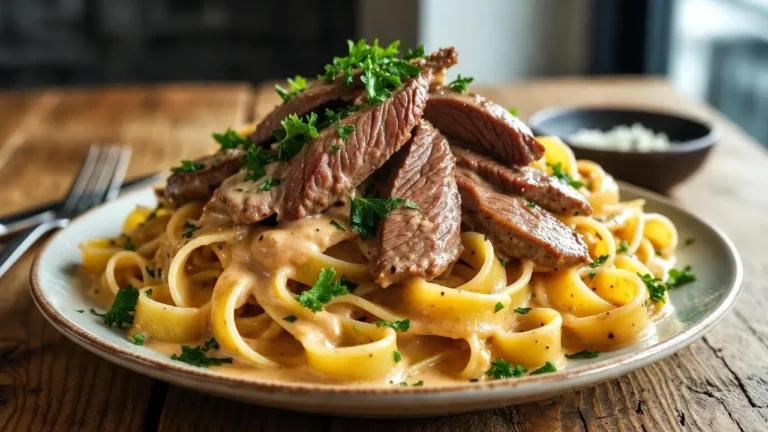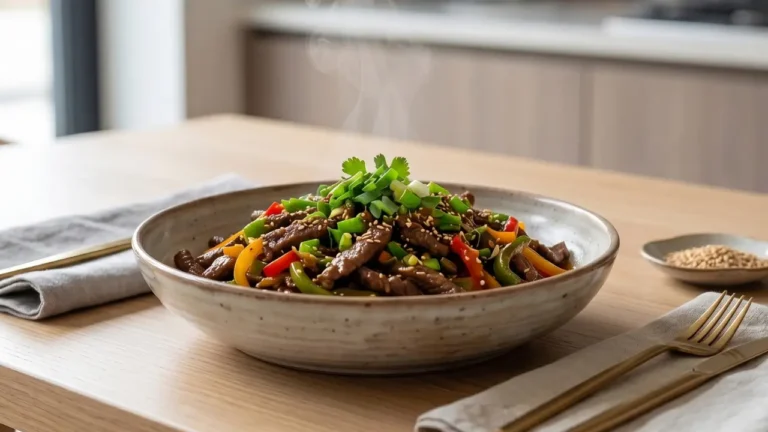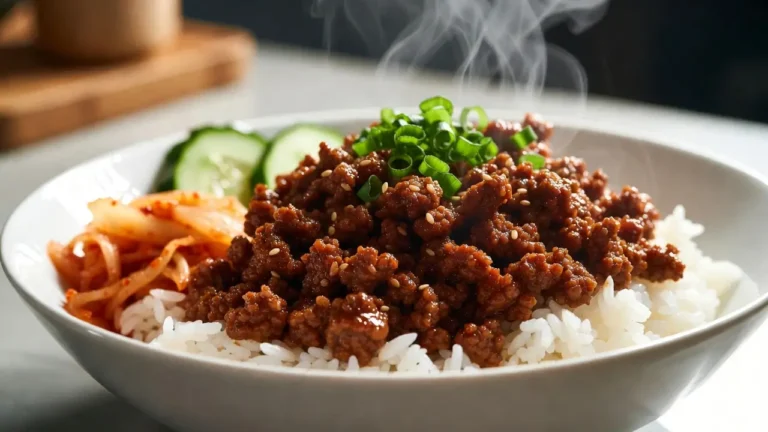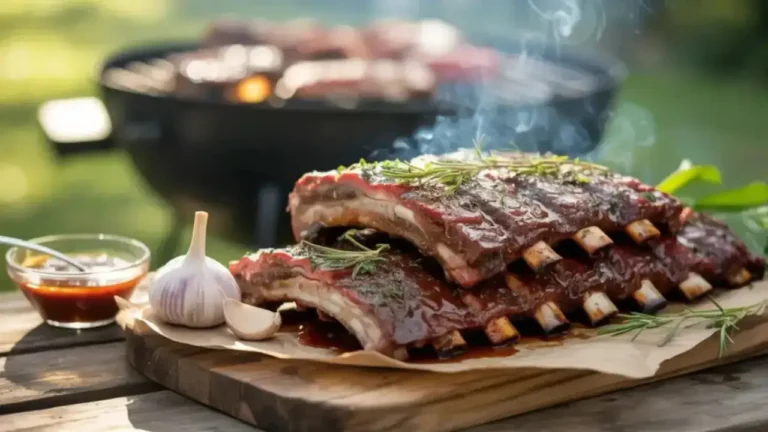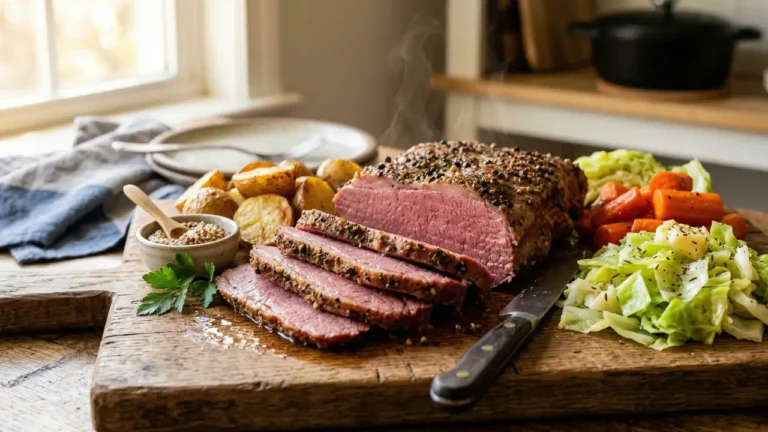

Discover Savory Beef Heart Recipe for a Healthy Meal
Looking for ways to boost your nutrition often leads to trying unique organ meats. These superfoods offer health benefits that regular muscle meats can’t match. A beef heart recipe is a great place to start your cooking adventure.
Beef heart is packed with iron and B vitamins, making it a nutritional powerhouse. It has a dense texture, similar to steak, but with a mild taste. When cooked right, it becomes a delicious beef heart dish that everyone will love.
Cooking beef heart is easy and doesn’t have to be scary for home cooks. Simple techniques keep the meat tender and soak up flavors well. You’ll enjoy a meal that’s both affordable and full of energy-boosting minerals.
Adding beef heart recipe to your meals is a sustainable choice. It supports nose-to-tail dining and keeps your cooking exciting. Get ready to turn your dinner into a nutritional masterpiece with ease and flavor.
Table of Contents
Key Takeaways
- Organ meats provide a dense source of essential vitamins and minerals.
- This cut offers a texture similar to steak with a very mild flavor.
- Proper preparation ensures the meat remains tender and flavorful.
- Choosing these cuts promotes sustainable, nose-to-tail eating habits.
- The meal is highly affordable compared to traditional premium steaks.
- High concentrations of iron and B12 support overall heart health.
Understanding the Nutritional Value of Organ Meats
Adding organ meats like beef heart to your diet can be very beneficial. They are packed with essential nutrients. This makes them a great choice for a healthy meal plan.
Why Beef Heart is a Nutrient-Dense Superfood
Beef heart recipe stands out for its high levels of protein, iron, and B-vitamins. It’s also a good source of CoQ10, which helps cells make energy. Its nutrient-rich profile makes it perfect for boosting health and wellbeing. Key nutrients in beef heart include:
- Iron: Essential for healthy red blood cells
- B-Vitamins: Crucial for energy production and neurological health
- CoQ10: Important for heart health and energy production
- Protein: Necessary for muscle repair and growth
Comparing Heart Meat to Traditional Muscle Cuts
Beef heart is more nutrient-dense and leaner than traditional muscle cuts. This makes it great for those wanting to eat less fat but still get high-quality protein. Here’s a comparison of their nutritional values:
| Nutrient | Beef Heart | Traditional Beef Cuts |
| Protein | High | High |
| Iron | Very High | Moderate |
| Fat Content | Low to Moderate | Variable, often higher |
| CoQ10 | High | Low |
Knowing the nutritional value of organ meats like beef heart helps you make better diet choices. It’s a step towards a more balanced and nutritious eating plan.
Selecting and Sourcing High-Quality Beef Heart
Finding the right beef heart is the first step to a delicious dish. You need to pick a fresh heart from a trusted supplier. This ensures great taste and health benefits.
At the butcher or store, look for certain things. The heart should be a deep red, showing it’s fresh and full of iron. It should feel firm and have some fat around it. This fat keeps the meat juicy while it cooks.
Identifying Freshness at the Butcher Shop
To spot freshness, check the color and texture of the heart. It should be a bright red. If it’s brown or dull, it’s not fresh. Also, the surface should be moist but not slimy.
A bad smell is a big warning sign. Fresh heart should smell a bit metallic, like raw meat. A strong, bad smell means it’s gone bad.
Grass-Fed Versus Grain-Fed Options
The cow’s diet changes the heart’s nutrition and taste. Grass-fed beef heart is leaner and might have more omega-3s and CLA. It’s a healthier choice.
Grain-fed beef heart is softer and tastes milder. Your choice depends on what you like better: taste or health benefits.
Think about what you want. For a healthier, beefier taste, go for grass-fed. For something softer and milder, choose grain-fed.
Essential Preparation Techniques for Beef Heart
To make a tender and flavorful beef heart meal, you need to prepare it right. Focus on a few key steps to make your dish delicious and enjoyable.
Cleaning and Trimming the Connective Tissue
First, clean and trim the beef heart. Rinse it under cold water to get rid of blood or debris. Then, dry it with paper towels to remove excess moisture.
Trimming the connective tissue is key for tenderness. Use a sharp knife to remove any visible connective tissue or fat. This step makes the texture better and the flavor richer.
- Identify the connective tissue by its tough, white appearance.
- Carefully cut around the tissue to avoid cutting into the heart meat.
- Remove as much of the connective tissue as possible to ensure tenderness.
Slicing Methods for Optimal Texture
Slicing the beef heart right is crucial for the best texture. Against the grain slicing makes the meat tender and easy to chew.
To slice against the grain, follow these steps:
- Identify the direction of the muscle fibers.
- Slice the beef heart in a direction perpendicular to the fibers.
- Cut the slices to your desired thickness, typically around 1/4 inch for most recipes.
By using these slicing methods, your beef heart will be tender, flavorful, and enjoyable to eat.
The Ultimate Savory Beef Heart Recipe
Starting a delicious beef heart dish is easy with this recipe. It’s full of flavor, packed with nutrients, and simple to make. This recipe helps you get the most out of this superfood.
Gathering Your Ingredients and Spices
To begin, gather these ingredients:
- 1 beef heart
- 2 tablespoons olive oil
- 1 tablespoon garlic, minced
- 1 tablespoon fresh thyme
- 1 teaspoon paprika
- Salt and pepper to taste
- 1 cup beef broth
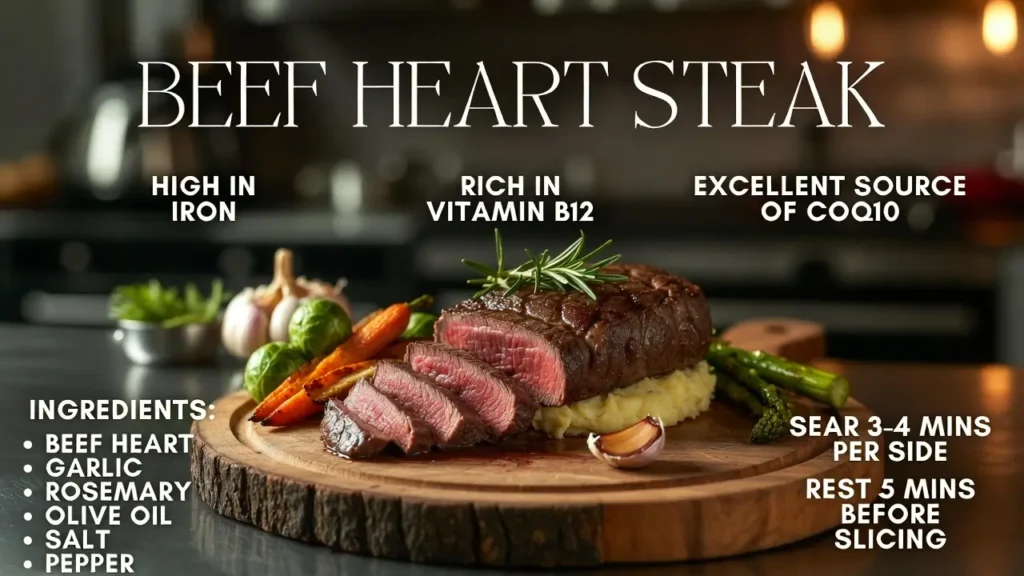
Savory Beef Heart Recipe – Tender, Healthy & Easy to Cook

Learn how to cook a tender and flavorful beef heart recipe packed with protein, iron, and B-vitamins. A healthy and affordable organ meat dish anyone can make.
Type: Main Course
Cuisine: American
Keywords: beef heart recipe, organ meat recipe, healthy beef heart, nose-to-tail cooking, protein rich recipe, iron rich meal, easy beef heart
Recipe Yield: 4 servings
Calories: Approximately 250 calories per serving
Preparation Time: PT20M
Cooking Time: PT20M
Total Time: PT40M
Recipe Ingredients:
- 1 whole beef heart
- 2 tablespoons olive oil
- 1 tablespoon garlic (minced)
- 1 tablespoon fresh thyme
- 1 teaspoon paprika
- Salt to taste
- Black pepper to taste
- 1 cup beef broth
Recipe Instructions: 1. Clean the Beef Heart Rinse the beef heart under cold water and pat dry with paper towels. 2. Trim Connective Tissue Using a sharp knife, remove visible fat, valves, and tough white connective tissue. 3. Slice the Meat Cut the heart into thin slices against the grain for better tenderness. 4. Prepare the Marinade Mix garlic, thyme, paprika, salt, and pepper in a bowl and rub evenly over the meat. 5. Marinate Let the beef heart marinate for at least 2 hours or overnight in the refrigerator. 6. Heat the Pan Heat olive oil in a skillet over medium-high heat. 7. Sear the Meat Cook the beef heart slices until browned on each side. 8. Finish Cooking Add beef broth and finish cooking until the meat reaches 130–135°F for medium-rare. 9. Rest and Serve Let the meat rest for a few minutes before serving with vegetables or mashed potatoes.
4.8
Step-by-Step Cooking Instructions
Now, let’s get cooking.
Marinating for Tenderness
First, mix garlic, thyme, paprika, salt, and pepper in a bowl. Rub this mix all over the beef heart. Make sure it’s coated evenly. Let it marinate for at least 2 hours or overnight.
Tip: The longer it marinates, the tender it will be.
Searing and Finishing the Dish
After marinating, heat olive oil in a skillet over medium-high heat. Sear the beef heart until it’s browned on all sides. Then, finish it in the oven with beef broth until it’s just right.
Remember, the key to a perfect beef heart is not to overcook it.
Flavor Profiles and Pairing Suggestions
Understanding the flavor of beef heart is key to a tasty dish. It has a rich, beefy taste that’s tender yet robust. This makes it great for many recipes.
To make your protein-rich heart recipe even better, think about the right flavors. Beef heart’s earthy taste can be improved with herbs and aromatics.
Complementary Herbs and Aromatics
Herbs and aromatics are essential for enhancing your beef heart dish. Some top herbs include:
- Thyme, which adds a savory and slightly minty flavor
- Rosemary, providing a piney and aromatic taste
- Garlic, enhancing the overall depth of flavor
- Onions, whether sautéed or caramelized, add a sweet and savory element
Culinary experts say that using aromatics like garlic and onions boosts beef heart’s flavor. This makes the dish more complex and satisfying.
“Aromatics are the backbone of many recipes, and when used correctly, they can elevate even the simplest dishes to new heights.”
Culinary Expert
Best Side Dishes to Serve with Heart Meat
Choosing the right side dishes can make your meal complete. Here are some great options:
| Side Dish | Description |
| Roasted Vegetables | Roasted vegetables like asparagus or Brussels sprouts complement the earthy flavor of beef heart. |
| Mashed Potatoes | Creamy mashed potatoes provide a comforting contrast to the savory beef heart. |
| Grilled Asparagus | Grilled asparagus adds a fresh and crunchy texture to the meal. |
By using these pairing suggestions, you can make a delicious beef heart dish that’s both tasty and healthy.
Common Mistakes to Avoid When Cooking Beef Heart
Cooking beef heart can be tricky, but with the right approach, it’s tender and delicious. This organ meat is packed with nutrients. To get the best flavor and texture, pay close attention to how you cook it.
Getting the beef heart tender is a big challenge. The key is to control the heat well.
Preventing Toughness Through Proper Heat Control
To avoid a tough beef heart, use the right heat. High heat can quickly sear the outside, but it can also make it tough if not done right. On the other hand, low and slow cooking breaks down the tissues, making it tender.
Start by searing the heart at high heat to keep the juices in. Then, finish it at a lower heat to cook it evenly. This method improves the texture and keeps the flavors in.
Avoiding Overcooking for Better Flavor
Overcooking can make beef heart dry and tasteless. It’s important to cook it just right. This way, it stays juicy and flavorful.
Using a meat thermometer helps you check the heart’s internal temperature. For medium-rare, aim for 130°F to 135°F (54°C to 57°C). Let it rest after cooking. This keeps the meat juicy and full of flavor.
By avoiding these mistakes and using the right cooking methods, you can enjoy a delicious beef heart recipe. It will be tender and full of flavor.
Health Benefits of Incorporating Organ Meats into Your Diet
Organ meats, like beef heart, are packed with health benefits. They are full of vitamins, minerals, and antioxidants. These nutrients support many bodily functions.
Eating organ meats like beef heart is good for you. They are high in protein and vitamins and minerals. This makes them great for a healthy diet.
Boosting Your Iron and B-Vitamin Intake
Beef heart is rich in iron, which is key for healthy red blood cells. It also has B-vitamins, like B12, which helps with energy and nerve function. Eating beef heart helps meet your iron and B-vitamin needs.
B-vitamins are essential for various bodily functions. They help with energy, skin, hair, and nail health. A diet rich in B-vitamins also supports heart health and may lower the risk of neurological disorders.
Supporting Heart Health with CoQ10
Beef heart is a great source of CoQ10, a key antioxidant. CoQ10 helps cells produce energy and supports heart health. It can improve heart function and lower the risk of heart problems.
CoQ10 also has anti-inflammatory properties and may protect against neurodegenerative diseases. Adding beef heart to your diet can provide these important benefits.

Storing and Reheating Your Beef Heart Dish
To enjoy your flavorful beef heart dish to the fullest, knowing how to store and reheat leftovers is key. The right storage and reheating methods keep the dish’s taste and texture just right. This way, you can enjoy it for several meals.
Safe Storage Practices for Leftovers
It’s important to store your beef heart leftovers safely to avoid spoilage and foodborne illness. Cool the dish to room temperature within two hours of cooking. Then, refrigerate or freeze it quickly.
Use airtight, shallow containers for storage. Cover them with plastic wrap or aluminum foil. For short-term storage, keep the dish in the fridge at 40°F (4°C) or below. It can stay good for three to four days.
If you need to store it longer, freeze it. Label the containers with the date and contents. Store them in the freezer at 0°F (-18°C) or below. Frozen leftovers can last several months.
Maintaining Texture When Reheating
When reheating your beef heart dish, use gentle heat to keep it tender. You can reheat it in the oven, on the stovetop, or in the microwave. Choose the method that works best for you and the dish.
To reheat in the oven, cover the dish with foil and heat at 275°F (135°C) until warm. On the stovetop, reheat over low heat, stirring often, until it’s hot. For the microwave, cover the dish and heat in short bursts, stirring until it’s evenly heated.
By following these tips, you can enjoy your beef heart recipe for days. You’ll get to relish its rich flavor and health benefits without losing any quality.
Conclusion
You now know how to make a tasty and healthy beef heart recipe. This superfood is packed with nutrients. By using the tips from this article, you can add beef heart to your meals and enjoy its health perks.
Understanding beef heart’s nutritional value and how to pick the best ingredients is key. Now, you can start cooking. Try out different flavors and pairings to make your beef heart recipe unique.
Exploring organ meats opens up a world of flavors and health benefits. Your meals will get better, and so will your health.
FAQ
Is this beef heart recipe actually healthy for a daily diet?
Yes, beef heart is a superfood. It’s packed with CoQ10 for heart health and lots of B-vitamins and iron. These nutrients are more in beef heart than in regular meat.
How does heart meat differ from traditional cuts like ribeye or sirloin?
Heart meat is denser and leaner than steak. It tastes more intense but is lower in fat. This makes it a great, tender choice for a healthy meal.
Where is the best place to source high-quality beef heart?
Look for grass-fed beef heart from places like Crowd Cow or Whole Foods. Make sure it’s deep red and firm for the best quality.
Do I need to remove the white parts and valves before cooking beef heart?
Yes, removing the white parts and valves is key. Use a sharp knife to trim them off. This makes the heart tender and flavorful.
What is the secret to keeping the meat tender during the cooking process?
Use a quick sear or a slow braise. Marinate the slices in vinegar or lemon juice first. This helps the meat stay tender.
What side dishes pair best with a savory heart meat recipe?
Earthy sides like roasted vegetables or cauliflower mash are great. A tangy salad also complements the heart’s rich flavor.
Why does my beef heart sometimes turn out tough or dry?
Overcooking is the main reason. Cook it to 135°F to 140°F. Slice against the grain to keep it tender.
Can I store and reheat leftovers without losing the texture?
Store leftovers in an airtight container for up to three days. Reheat gently in a pan with a bit of broth or butter. This keeps the texture right.