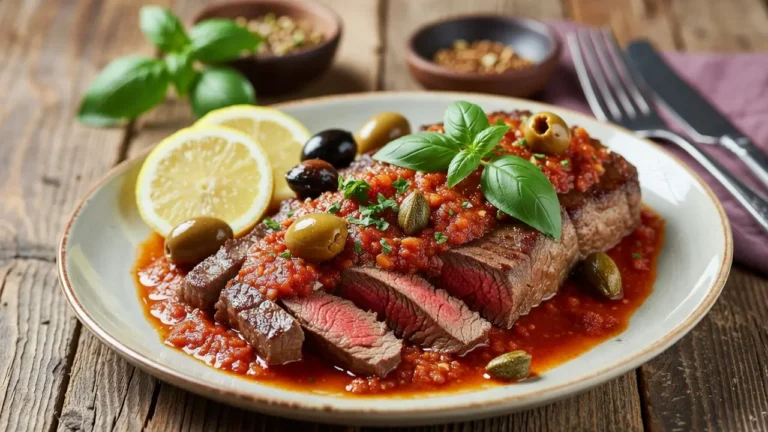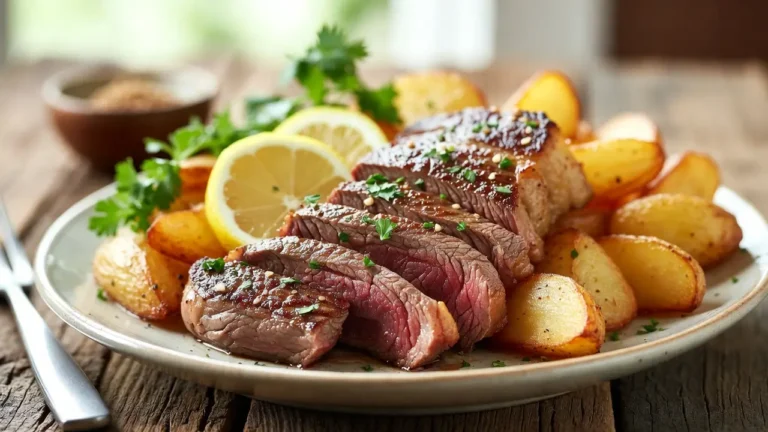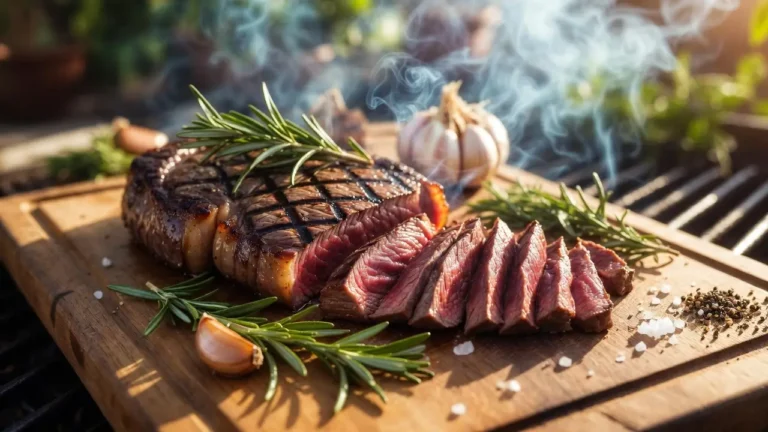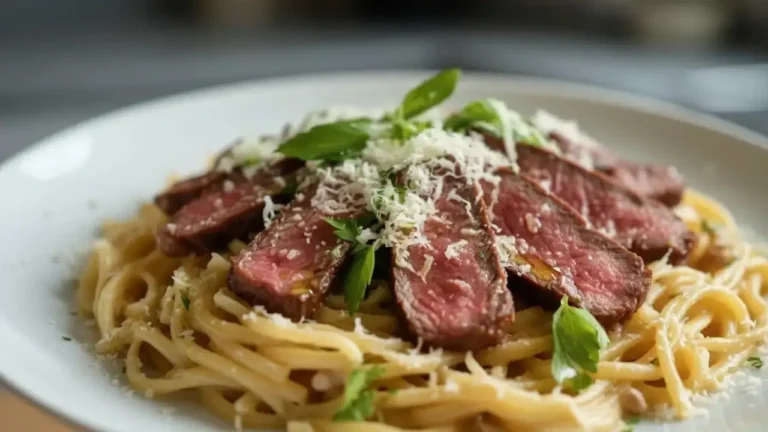
Juicy Grilled Flap Steak: A Delicious Meal
Want to make your backyard cooking better? Many home cooks miss out on the Grilled Flap Steak. It has a deep, beefy taste that’s as good as expensive ribeyes. It’s great for impressing guests without breaking the bank.
Learning how to cook this cut makes your outdoor kitchen feel like a gourmet experience. With this easy flap steak recipe, you can serve a dinner that’s like a restaurant’s. You’ll learn how to make a juicy flap steak that’s always tender and full of flavor.
It’s time to fire up your grill and see why this meat is a must-have in your kitchen. Let’s explore the techniques that make this dish so special.
Table of Contents
Key Takeaways
- Discover why this cut is a budget-friendly alternative to premium beef.
- Learn the best preparation methods for maximum tenderness.
- Understand how to achieve the perfect sear on your meat.
- Master the art of slicing against the grain for better texture.
- Gain confidence in your outdoor cooking skills with professional tips.
Understanding the Unique Qualities of Flap Steak
Did you know the best steak for your next barbecue might be right at the butcher shop? It comes from the bottom sirloin butt area. This cut has a loose, open grain structure that’s perfect for grilling.
Because of its texture, it soaks up marinades and seasonings better than denser cuts. This makes it a dream for grill masters.
Why Flap Steak is Often Overlooked
Flap steak is a hidden gem for home cooks. It’s not as well-known as ribeye or sirloin, so many people overlook it. This is a missed opportunity for those looking for great flavor and value.
Many don’t know how to handle this cut. It’s thinner and has a unique grain, needing a different grilling approach. Once you get it, you’ll find it’s one of the most forgiving and versatile proteins for grilling.
Comparing Flap Steak to Skirt and Flank
Flap steak is often confused with skirt or flank steak because of their similar looks. But each cut has its own fat content and tenderness. Here’s a table to help you pick the right one for your meal.
| Cut | Fat Content | Texture | Best Use |
| Flap Steak | Moderate | Loose/Open | Marinated Grilling |
| Skirt Steak | High | Coarse/Fibrous | Fajitas/Tacos |
| Flank Steak | Low | Lean/Dense | Stir-fry/Salads |
Skirt steak is known for its rich, fatty flavor but can be chewy if not cooked right. Flank steak is leaner, making it healthy but can dry out fast. Flap steak is the perfect middle ground, juicy and easy to chew.
Grilled Flap Steak: Juicy, Tender, and Flavorful
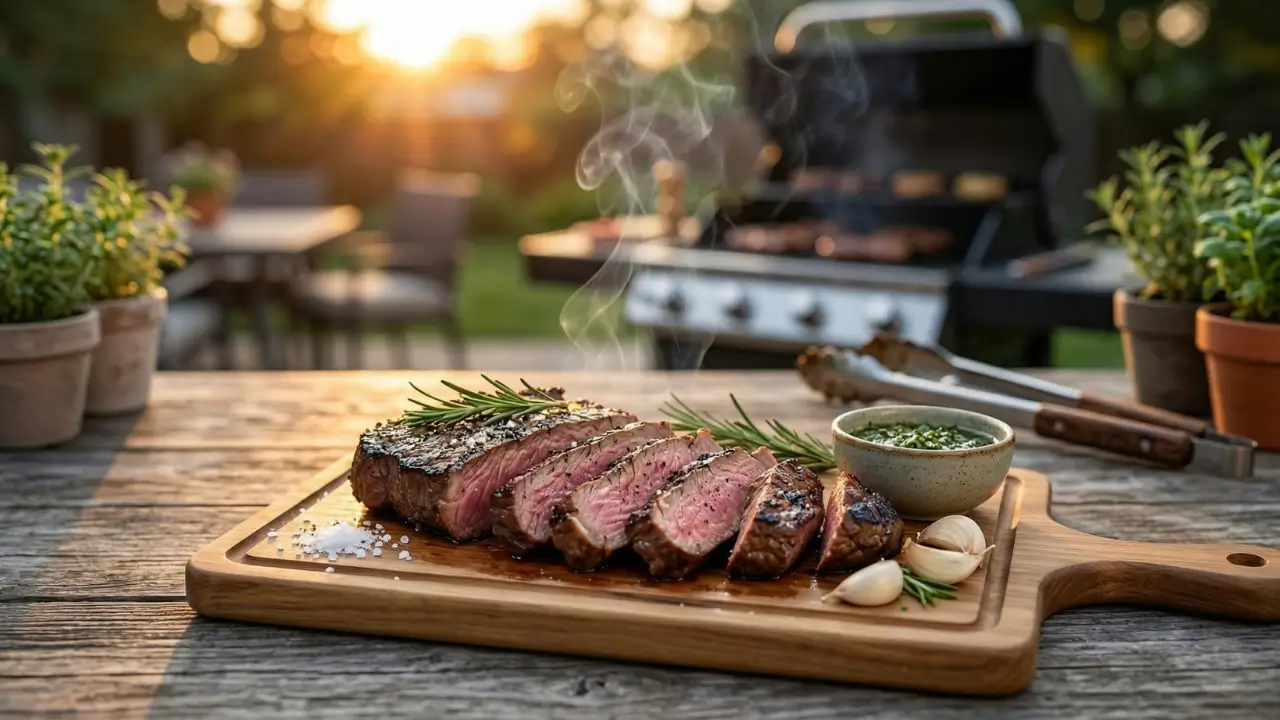
How to cook the perfect grilled flap steak with expert tips on marinating, seasoning, grilling, slicing, and resting for a juicy and tender steak every time.
Type: Main Course
Cuisine: American BBQ
Keywords: grilled flap steak, flap steak recipe, how to cook flap steak, flap steak marinade, grilled steak tips, BBQ steak recipe, backyard grilling, beef steak recipe
Recipe Yield: 4 servings
Calories: 450 kcal (optional estimate for grilled beef steak)
Preparation Time: PT15M
Cooking Time: PT15M
Total Time: PT30M
Recipe Ingredients:
- Flap steak
- Balsamic vinegar or lime juice or soy sauce
- Extra virgin olive oil or avocado oil
- Garlic
- Shallots
- Rosemary
- Thyme
- Salt
- Black pepper
Recipe Instructions: Select a flap steak with good marbling and even thickness. Prepare a marinade using acid, fat, and aromatics. Marinate steak for 4–6 hours (do not exceed 8 hours). Remove steak and pat completely dry. Season with salt, pepper, or dry rub. Preheat grill and create two heat zones. Sear steak over high heat to create a crust. Move to indirect heat and cook until internal temp reaches 130–135°F for medium-rare. Remove steak and let it rest 5–10 minutes. Slice against the grain and serve with sides.
5
Selecting the Best Cut at the Butcher Shop
Your journey to making the best grilled flap steak starts before you light the grill. Going to a butcher shop with a plan helps you pick the right cut. This way, your steak will be tender and full of flavor.
Identifying Quality Marbling
When you look at the meat, check for white flecks of fat. This is called marbling. It makes the steak juicy as it cooks.
Stay away from cuts that look too lean or dry. They don’t have enough fat to stay juicy. A cut with consistent, fine marbling will taste richer.
Checking for Proper Thickness
The shape of the steak is also important. Look for one that’s the same thickness all over. If it’s not, the thinner parts will cook too fast.
A steak that’s even in thickness cooks evenly. This is key for the best grilled flap steak. Always check the shape before you buy.
The Science of Flavorful Flap Steak Marinades
A great marinade does more than add flavor; it changes the meat’s texture. By understanding the chemistry of your flap steak marinade, you can keep the meat tender. It also absorbs deep, savory notes.
The process uses acidic ingredients like citrus juice, vinegar, or yogurt. These break down tough muscle fibers. When making your favorite flap steak recipe, balancing these components is key.
Balancing Acid, Fat, and Aromatics
To create a balanced flavor, you need three elements. Acids tenderize the meat, fats carry flavors, and aromatics add complexity. This makes your dish stand out.
Here are the essential components for your next blend:
- Acids: Balsamic vinegar, lime juice, or soy sauce.
- Fats: Extra virgin olive oil or avocado oil to keep the meat moist.
- Aromatics: Fresh garlic, minced shallots, or dried herbs like rosemary and thyme.
Proper balance is crucial. It prevents the acid from overpowering the meat’s natural taste. Always aim for a ratio that highlights the meat.
Recommended Marinating Times for Optimal Texture
Timing is key with acidic marinades. Leaving the meat in too long can make the exterior mushy and unpleasant.
Follow these guidelines for the best result:
- Short soak: 30 minutes to 2 hours for light flavor infusion.
- Ideal window: 4 to 6 hours for deep penetration without compromising the structure.
- Maximum limit: Avoid exceeding 8 hours to maintain the integrity of the muscle fibers.
By following these simple rules, your flap steak marinade will work effectively. Your final flap steak recipe will have a tender bite and a rich, complex flavor. It will impress every guest at your table.
Essential Seasoning Techniques for Maximum Crust
To get a crust like a restaurant on your steak, start early. How you handle your meat before grilling makes all the difference. The right flap steak seasoning can make your meal’s texture and taste better.
Dry Rubs Versus Wet Marinades
Deciding between a dry rub and a marinade depends on what you want to taste. A dry rub gives a savory, textured bark when grilled. It’s perfect for bringing out the beef’s natural flavors.
A flap steak marinade adds deeper flavors but can make the steak moist. This can stop it from getting a crispy, golden crust. You need to find a balance between flavor and crust.
The Importance of Patting the Meat Dry
Moisture on the meat’s surface is bad for a perfect sear. Wet meat steams instead of searing, ruining the crust. This is why you must dry the steak before grilling.
Always dry your steak with paper towels until it’s dry. This step stops the marinade from ruining the crust. It ensures your steak gets a flavorful crust every time.
Preparing Your Grill for the Perfect Sear
Mastering your grill setup is key to cooking like a pro at home. When cooking a Grilled Flap Steak, the heat source matters a lot. Good preparation helps you get a deep, tasty sear without burning the meat.
Gas Versus Charcoal Grilling Considerations
Deciding between gas and charcoal grills depends on your taste and convenience. Gas grills are great for their unmatched precision. They let you adjust the heat easily, making it simple to grill flap steak perfectly every time.
Charcoal grills, though, give a smoky flavor that many love. They take longer to get going but can reach very high temperatures. This is perfect for searing. Think about these points when picking your fuel:
- Gas Grills: Heat up fast and are easy to control, perfect for beginners.
- Charcoal Grills: Add a smoky taste and can get hotter for a better crust.
- Maintenance: Gas is easier to clean up, but charcoal needs ash management.
Establishing Two-Zone Heat for Controlled Cooking
Creating a two-zone heat setup is the best way to manage your grill. This means putting fuel on one side for high heat. The other side stays cool for finishing the meat.
This method lets you control the cooking process. Sear your Grilled Flap Steak over the flames for a dark crust. Then, move it to the cooler side to cook it through without drying out.
This way, you avoid drying out the meat and ensure it’s cooked just right. Learning to use these zones is crucial for improving your outdoor cooking. Consistency is key to impressing your guests with a top-notch meal.
Mastering the Grilled Flap Steak Process
To get the perfect grilled flap steak, you need to watch the heat and timing closely. This part of cooking turns raw ingredients into a delicious, tender dish. Paying attention during these moments ensures your meal is both tasty and well-cooked.
Setting the Ideal Internal Temperature
For the best taste, aim for an internal temperature of 130°F to 135°F for medium-rare. If you like it a bit more cooked, take it off the grill at 140°F for medium. Always use a reliable digital meat thermometer to check the thickest part of the cut.
Remember, the meat’s temperature will rise a bit after you take it off the grill. This is called carry-over cooking. It’s important to remove the steak a few degrees early to avoid it becoming tough.
Managing Flare-ups and Heat Distribution
Flap steak has a lot of fat that can cause flare-ups when it hits the grill. These flames can burn the outside before the inside is cooked. Keep a spray bottle of water nearby to control any big flames.
If the heat isn’t even, move your steak to a cooler spot on the grill. This helps it cook evenly. Keeping the lid closed helps trap the heat, ensuring the grilled flap steak cooks well all the way through.
Advanced Flap Steak Cooking Techniques
For the ambitious home chef, mastering specific methods can transform a standard dinner into a culinary event. While basic grilling works well for thin cuts, thicker pieces of meat require a more nuanced approach. Implementing these flap steak cooking techniques will help you achieve professional-grade results in your own backyard.
The Reverse Sear Method for Thicker Cuts
The reverse sear is a game-changer for thicker meat. You start by cooking the steak slowly over indirect heat until it reaches a temperature just below your target. This gentle process ensures the interior cooks evenly from edge to edge without creating a thick gray band of overcooked meat.
Once the internal temperature is nearly perfect, you move the steak to a high-heat zone for a quick finish. This final sear creates a deep, flavorful crust that locks in juices and adds a satisfying crunch. Following these grilled flap steak tips allows you to maintain total control over the final texture of your meal.
Using a Meat Thermometer for Precision
Relying on visual cues or touch is often unreliable, which is why a high-quality digital meat thermometer is key. It helps you achieve culinary precision. By monitoring the internal temperature, you remove the guesswork from the equation entirely.
Insert the probe into the thickest part of the steak to get an accurate reading. Aiming for a specific temperature ensures that your meat remains tender and juicy rather than tough or dry. Utilizing these essential flap steak cooking techniques will provide you with the confidence to serve a perfect meal to your guests.
Remember that even the best cuts can benefit from these grilled flap steak tips. By combining slow heat with a sharp sear and accurate temperature tracking, you elevate your cooking to a new level of excellence.
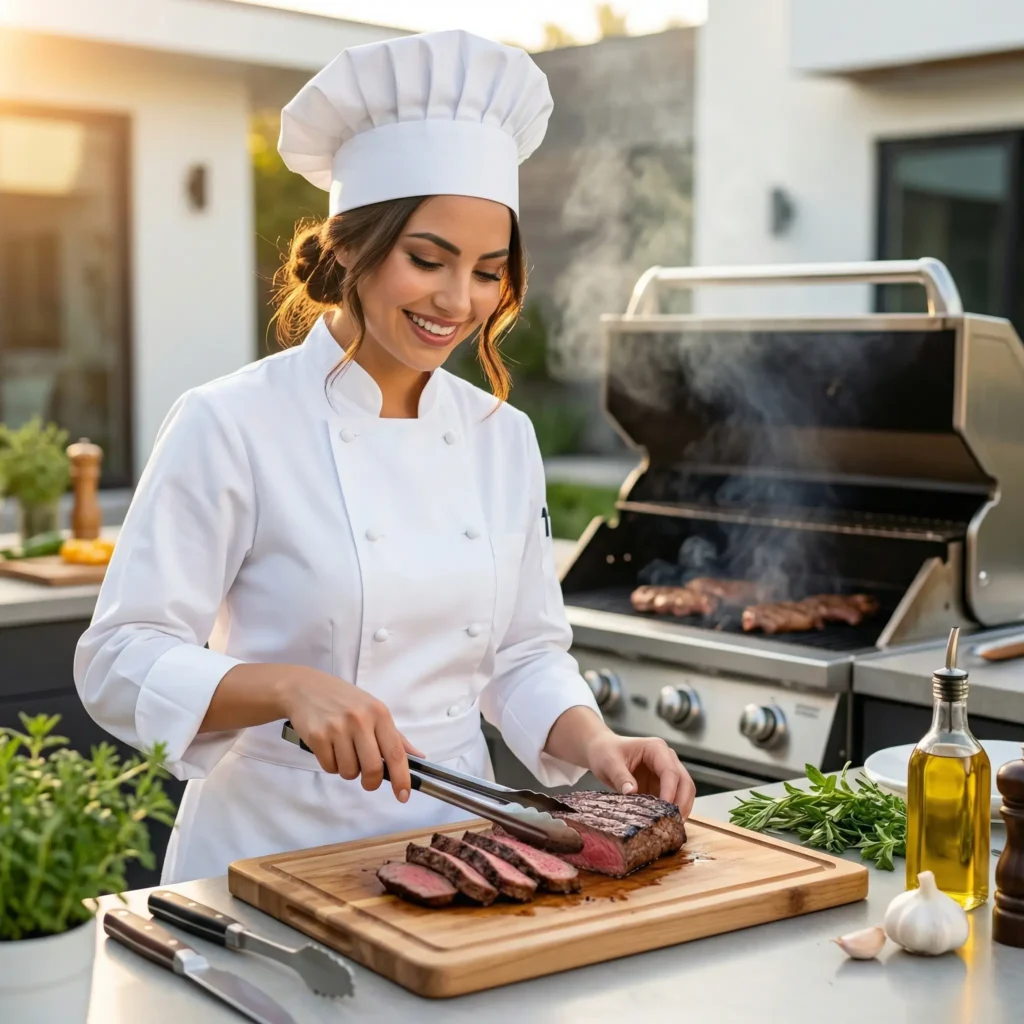
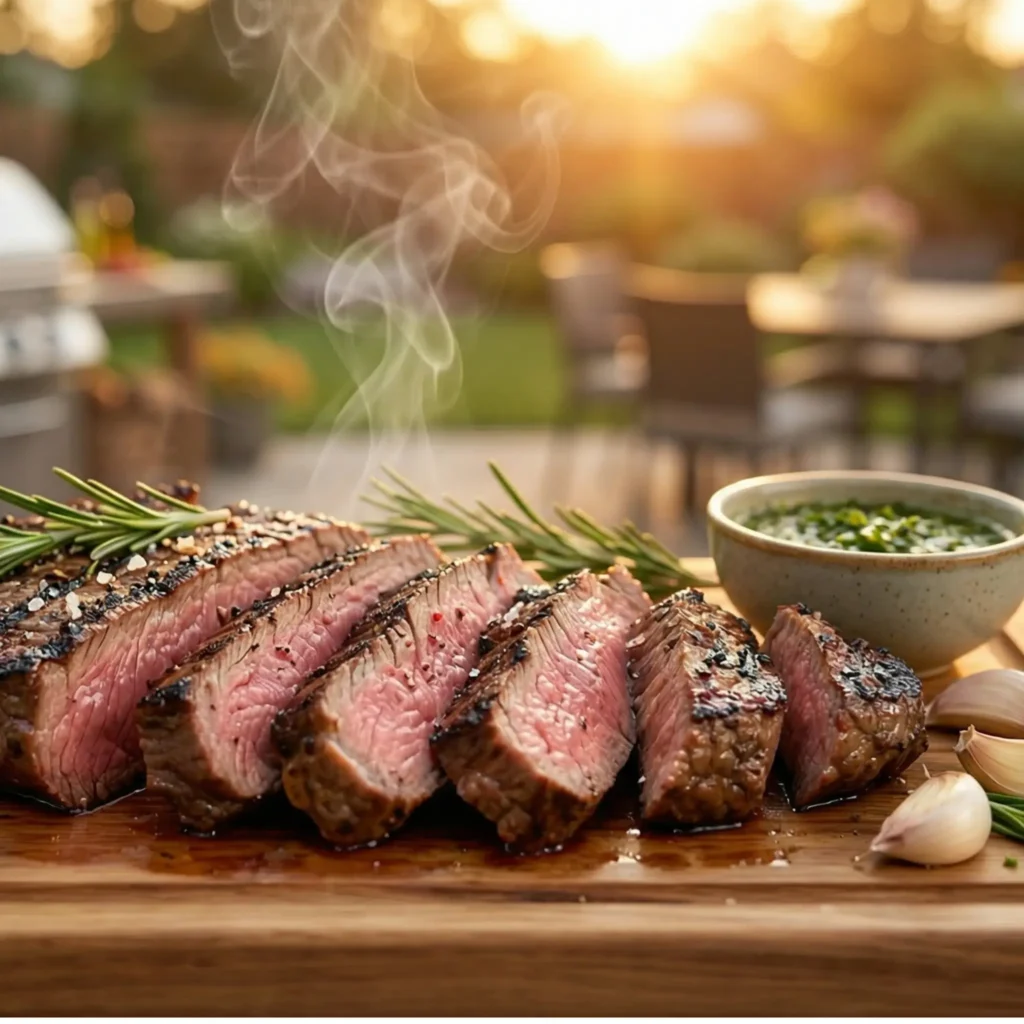
The Critical Importance of Resting Your Steak
Getting the perfect texture is more than just heat. It also needs a brief pause. Many home cooks rush to serve, but following these grilled flap steak tips will change your meal. Taking a moment lets the meat reach its best.
Why Resting Prevents Moisture Loss
Cooking meat over high heat makes the fibers contract. This pushes juices to the center. If you slice right away, those juices will spill out, not stay in the meat. Resting lets the fibers relax and reabsorb the moisture.
This keeps every bite juicy and tender. It also makes sure the flap steak seasoning flavors spread evenly. Waiting preserves the effort you put into preparing the steak.
How Long to Let the Meat Sit
The rest time depends on the steak’s thickness. Thicker steaks need more time to even out their temperature. Even with great flap steak seasoning, cutting too soon can ruin the texture.
Here are some guidelines for keeping your meat juicy:
- Thin cuts (under 1 inch): Let the steak rest for at least 5 minutes.
- Standard cuts (1 to 1.5 inches): Allow the meat to sit for 8 to 10 minutes.
- Thick cuts (over 1.5 inches): Give the steak 12 to 15 minutes of rest time.
Always put your steak on a warm plate or cutting board. This prevents it from cooling down too fast. Using these grilled flap steak tips will always give you a superior result.
Slicing and Serving for the Best Mouthfeel
Mastering your knife skills can turn a good steak into a memorable one. While flap steak cooking techniques are key for flavor, how you slice the meat after grilling is crucial. Proper slicing makes every bite tender and enjoyable.
The Art of Cutting Against the Grain
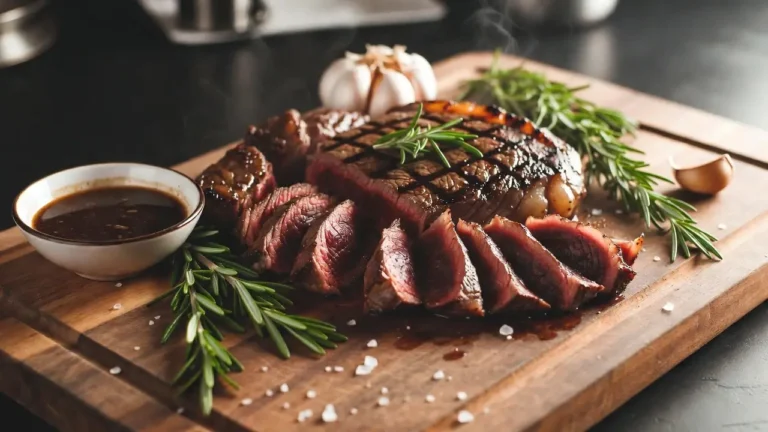
To get the best grilled flap steak, find the muscle fibers’ direction. These fibers run in parallel lines. Slicing parallel to these lines makes the meat tough and chewy, no matter the cooking.
Instead, cut your knife perpendicular to the grain. This way, you shorten the fibers, making the meat tender. This simple trick can make your home-cooked meals taste like they’re from a restaurant.
Pairing Suggestions for a Complete Meal
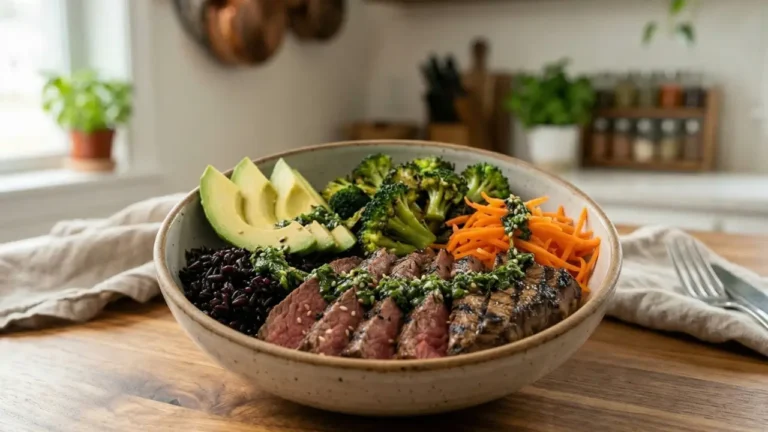
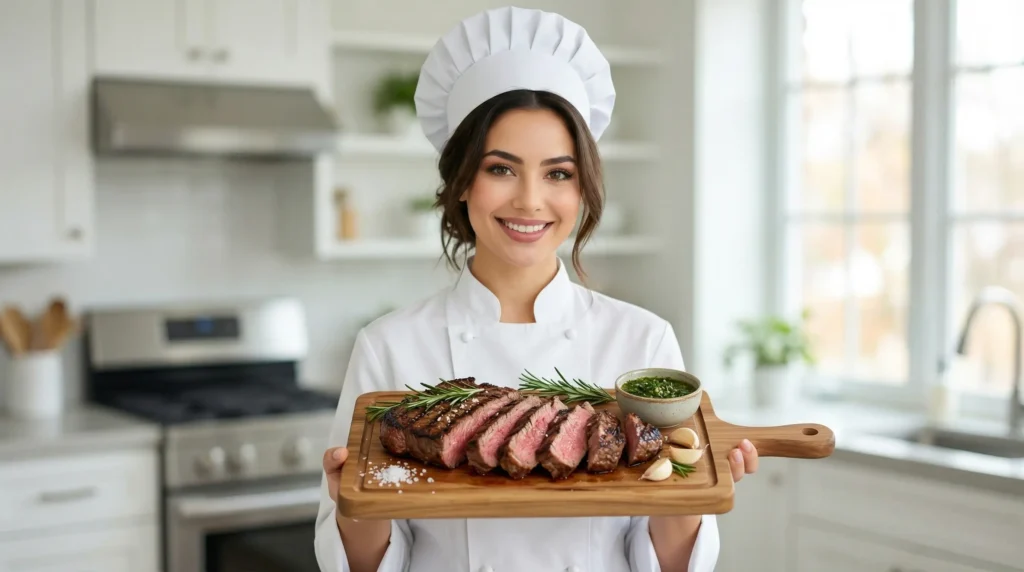
A perfectly cooked steak needs sides that match its bold flavor. Aim for a mix of acidity and freshness to balance the meat’s richness. Try a vibrant chimichurri sauce or charred seasonal veggies as a side.
The table below offers suggestions for a well-rounded meal using your favorite flap steak cooking techniques.
| Side Dish Category | Recommended Option | Flavor Benefit |
| Fresh Topping | Classic Chimichurri | Adds bright, herbal acidity |
| Roasted Vegetable | Garlic Butter Asparagus | Provides earthy, savory notes |
| Starch | Crispy Roasted Potatoes | Offers a hearty, satisfying crunch |
| Salad | Arugula with Lemon Vinaigrette | Balances the fat of the steak |
By paying attention to these details, you’ll serve the best grilled flap steak to your loved ones. A well-presented dish with the right pairings will impress your guests.
Conclusion
You now know how to make your backyard cooking top-notch. Turning a simple cut of meat into a juicy flap steak takes patience and detail. Every bite will be full of flavor and tender.
Choosing the right ingredients is key to your success. Getting the best cut from your local butcher shop is crucial. When you mix quality beef with the right heat, your meal will be as good as any steakhouse.
Try out different marinades and dry rubs to make your dish unique. You can change the flavors to suit your taste. Each time you grill, you get better and more confident in your cooking.
Sharing a delicious flap steak brings people together. Your guests will love the effort you put into it. Keep trying new flavors and enjoy the thrill of mastering the grill.
FAQ
What is the difference between flap steak, skirt steak, and flank steak?
Flap steak, skirt steak, and flank steak are all thin cuts. But flap steak comes from the bottom sirloin butt. It has a coarser grain than flank steak, making it better for marinades.Flap steak is thicker than skirt steak and tastes beefier. It offers a more substantial texture when cooked well.
How do I choose the best cut of flap steak at the butcher shop?
Look for flap steak with lots of intramuscular marbling. These white streaks of fat melt during cooking, making the steak juicy. Also, make sure the cut is even in thickness for even cooking.
How long should I let the meat marinate for the best flavor?
Flap steak only needs 2 to 4 hours to soak up flavors well. Don’t marinate it for more than 12 hours. Acidic ingredients can make the meat mushy.
Should I use a dry rub or a wet marinade for flap steak seasoning?
Both dry rubs and wet marinades work well. A wet marinade adds deep flavor, while a dry rub creates a crispy crust. Always pat the meat dry before grilling for a perfect sear.
What is the best way to prevent flare-ups when learning how to grill flap steak?
Use two-zone heat to prevent flare-ups. Sear the steak on high heat and finish on low. Move the steak to the cooler zone if flames get too high.
What is the ideal internal temperature for a juicy flap steak?
Aim for 130°F to 135°F for medium-rare. Use a tool like a Meater Plus to check the temperature. Thin cuts can quickly go from medium-rare to overdone.
Can I use the reverse sear method for flap steak?
Yes, the reverse sear works well for thicker flap steak. Cook it slowly until it reaches 115°F, then sear it quickly. This method ensures a perfect pink center and crust.
Why is resting the meat so important after grilling?
Resting allows juices to redistribute, making the meat juicy. Cutting it too soon spills these juices, leaving the meat dry. Rest the meat for at least 5 to 10 minutes.
How should I slice flap steak to ensure it isn’t chewy?
Slice the meat against the grain for the best texture. Cut perpendicular to the muscle fibers. This makes the steak tender and easy to eat.
Did You Try This Recipe ?
There are no reviews yet. Be the first one to write one.