Easy and Tasty Jamaican Escovitch Fish Recipe
Imagine white sands and turquoise waters for a tropical getaway. But the true essence of the islands is in a plate of vibrant caribbean seafood. This iconic meal has crispy textures and zesty pickled vegetables.
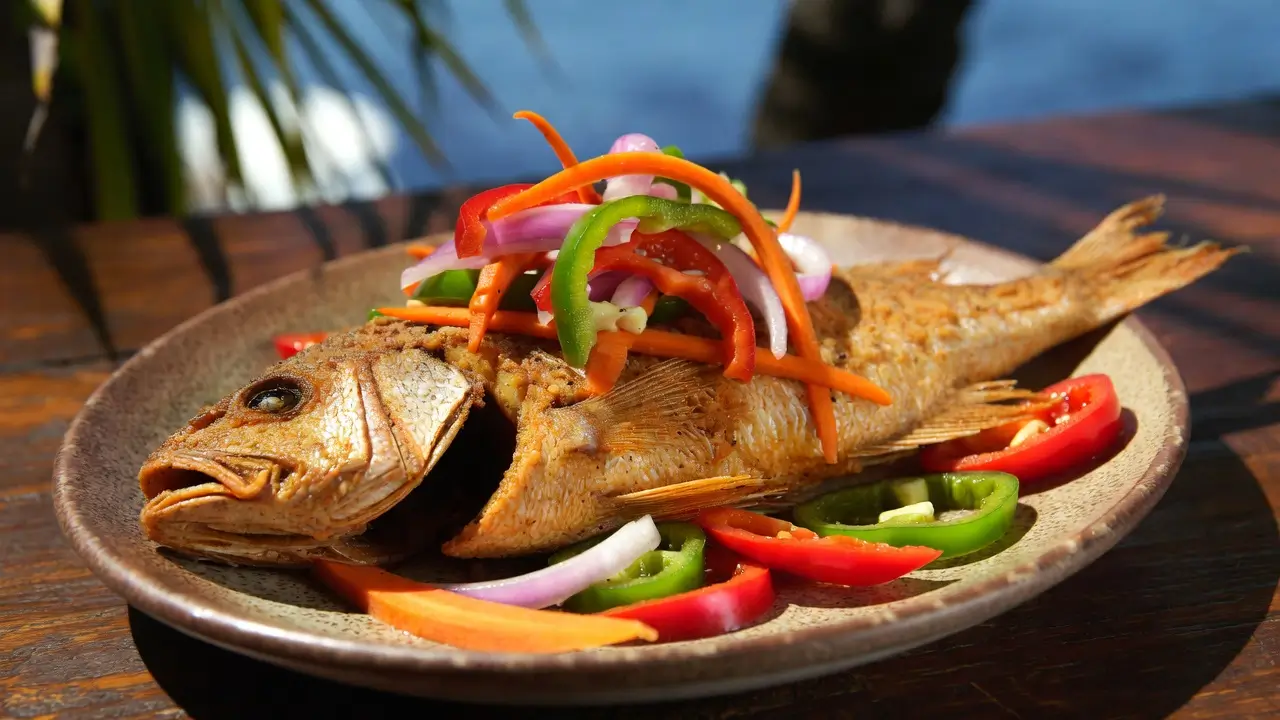
The Jamaican escovitch fish is a culinary masterpiece. It’s known for its bold, spicy flavor. It combines fried snapper or fresh ocean bounty with tangy onions, carrots, and peppers. Every bite delivers a punch of flavor that takes you to the shore.
Whether you’re a seasoned chef or a home cook, making this dish is easy. You’ll see how simple ingredients create deep tastes that define island cooking. Get ready to bring a touch of the sun into your kitchen today.
Table of Contents
Key Takeaways
- Explores a signature blend of spicy and acidic notes.
- Highlights the importance of the traditional pickling process.
- Focuses on the use of fresh, high-quality ocean ingredients.
- Details common side pairings like savory fried dumplings.
- Explains the historical roots of this unique preparation style.
- Provides essential tips for achieving the perfect crispy texture.
What Makes Jamaican Escovitch Fish Special
Jamaican Escovitch Fish is more than a seafood dish. It’s an experience that shows off the authentic Jamaican recipe and its cultural value. This beloved dish is a key part of Jamaican cuisine, showing the island’s rich culture and people’s love for strong flavors.
The dish’s uniqueness comes from its mix of flavors and cooking methods. It uses whole fish, fried and topped with a spicy pickled sauce. This sauce is made from Scotch bonnet peppers, onions, and bell peppers. Together, they create a tangy and spicy taste that captures the heart of Jamaican food culture.
Jamaican Escovitch Fish has deep roots in the island’s history and cooking traditions. It’s a dish that families have shared for generations, with each adding their own twist. The act of making and sharing Escovitch Fish is key in Jamaican social gatherings and celebrations, showing its cultural importance.
The Rich History Behind This Caribbean Seafood Tradition
The history of Jamaican Escovitch Fish is a rich tapestry. It’s woven from Caribbean culture and Spanish culinary traditions. This dish, while distinctly Jamaican, has roots across the Caribbean, influenced by various cultures.
To understand this dish, we must explore its historical context. Caribbean seafood has been a staple for centuries. Different cultures have shaped how it’s prepared and consumed.
Spanish Escabeche Roots and Caribbean Evolution
The term “Escovitch” comes from the Spanish “Escabeche.” It’s a method of pickling fish in vinegar, spices, and sometimes chili peppers. Spanish colonizers brought this technique to the Caribbean, where it evolved into Escovitch Fish.
In the Caribbean, Escabeche evolved into Escovitch with local ingredients and cultural exchange. The use of Scotch bonnet peppers and spices gave it a unique flavor, different from its Spanish roots.
Escovitch Fish in Jamaican Food Culture
In Jamaica, Escovitch Fish is more than a meal; it’s a cultural heritage. It’s often served at gatherings and celebrations, highlighting the importance of traditional Jamaican cooking. The preparation and sharing of Escovitch Fish reflect the communal spirit and love for flavorful food in Jamaican cuisine.
The significance of Escovitch Fish in Jamaican culture also lies in its representation of the island’s history. It shows how Jamaicans adapt foreign influences into something uniquely their own. This dish is a testament to Jamaican culinary creativity and resilience.
Essential Ingredients for Authentic Jamaican Escovitch Fish
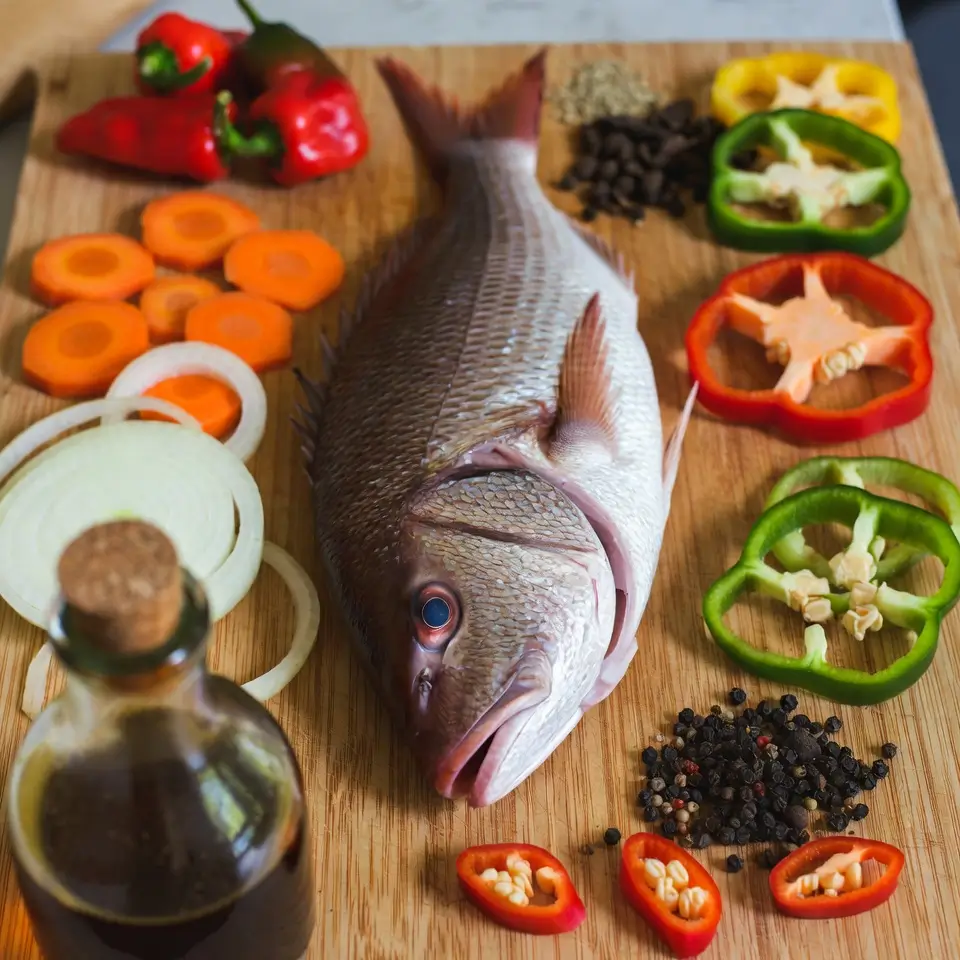
To make authentic Jamaican Escovitch Fish, you need a few key ingredients. These ingredients are crucial for the dish’s quality and taste. They must be fresh and right for the recipe.
Selecting the Perfect Whole Fish
The heart of Jamaican Escovitch Fish is the fish itself. Choose a whole fish that’s fresh and good for frying. Red Snapper is the classic choice, but King Fish or Parrot Fish work too. Make sure the fish is clean and scaled before starting.
Bell Peppers, Onions, and Carrots for the Topping
The topping is a colorful mix of sautéed or pickled veggies. It mainly includes bell peppers, onions, and carrots. These add crunch and flavor. You can adjust the mix to your taste, but aim for a balanced flavor.
Scotch Bonnet Peppers and Pimento Seeds
Scotch Bonnet peppers and pimento seeds give the dish its unique taste. Scotch Bonnet peppers add heat, and pimento seeds bring a warm, aromatic flavor. Use them carefully, as they greatly affect the taste. If you can’t handle spicy food, use less Scotch Bonnet peppers.
With the right ingredients and preparation, you’ll make a true Jamaican Escovitch Fish. It will be a delicious taste of the Caribbean.
Understanding Escovitch Sauce and Its Flavor Profile
Jamaican Escovitch Fish gets its unique taste from the escovitch sauce. This sauce is not just a topping. It’s a key part that makes the fried fish taste great together.
The Role of White Vinegar in Pickling
White vinegar is very important in making escovitch sauce. It acts as a pickling agent. This helps keep the vegetables fresh and adds a tangy taste.
The vinegar’s acidity balances the fried fish’s richness. This makes every bite a perfect mix of flavors.
Balancing Acidity with Sugar and Spices
To get the right taste, you need to balance the vinegar’s acidity. Sugar helps neutralize some of the acidity. Spices like pimento seeds and Scotch bonnet peppers add depth and heat.
This mix is what makes escovitch sauce special in traditional Jamaican cooking.
When making escovitch sauce, you can change how much sugar and spices you use. But, it’s important to keep a balance. This ensures the sauce enhances the fried fish without being too strong.
Preparing and Seasoning Your Fish Before Frying
Before you start frying, it’s key to prepare and season your fish right. This step is vital for the perfect flavor and texture of Jamaican Escovitch Fish.
Cleaning and Scoring Techniques
Start by cleaning the fish well. Rinse it under cold water and dry it with paper towels. Scoring the fish is also crucial. It lets the seasonings get deeper into the meat.
Score the fish diagonally on both sides, cutting halfway through. This helps the seasonings penetrate better.
Traditional Jamaican Seasoning Blend
A traditional Jamaican seasoning blend includes salt, black pepper, garlic powder, and local spices. You can buy a pre-mixed blend or make your own. Use thyme, scallions, and scotch bonnet peppers for this.
Rub the seasoning blend all over the fish. Make sure to get some into the scored lines.
Marinating Time for Maximum Flavor
After seasoning, let the fish marinate. Let it sit for at least 30 minutes to an hour for the best flavor. If you can, marinate it for a few hours or overnight in the fridge.
This marinating time lets the flavors fully penetrate the fish. It makes the fish taste even better when fried.
By following these steps, you’ll prepare and season your fish perfectly. This will help you make a delicious authentic Jamaican Escovitch Fish dish.
Mastering the Frying Process for Crispy Results
Crispy Escovitch Fish is a key part of traditional Jamaican cooking. It begins with the frying process. Getting the outside crispy and the inside tender needs careful attention and the right methods.
Choosing the Right Oil and Temperature
The oil you use for frying is very important. You need an oil that can handle high heat without burning or smoking. Peanut oil or avocado oil are great because they have high smoke points and mild flavors.
The best temperature for frying Escovitch Fish is between 350°F and 375°F. If the oil is too hot, the outside will burn before the inside is cooked. If it’s too cold, the fish will soak up too much oil, becoming greasy.
| Oil Type | Smoke Point (°F) | Flavor Profile |
| Peanut Oil | 450 | Mild, Nutty |
| Avocado Oil | 520 | Mild, Buttery |
| Vegetable Oil | 400 | Neutral |
Jamaican Escovitch Fish Recipe (Crispy Caribbean Classic)
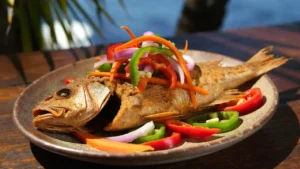
Learn how to make Jamaican Escovitch Fish with crispy fried snapper topped with pickled vegetables. A classic Caribbean seafood dish full of bold island flavors.
Type: Main Course
Cuisine: Jamaican, Caribbean
Keywords: jamaican escovitch fish, caribbean seafood recipe, fried snapper recipe, escovitch sauce, jamaican fish recipe, spicy pickled fish, island seafood dish
Recipe Yield: 4 servings
Calories: 420 kcal
Preparation Time: PT45M
Cooking Time: PT20M
Total Time: PT1H5M
Recipe Ingredients:
- Whole red snapper (cleaned and scaled)
- 2 teaspoons salt
- 1 teaspoon black pepper
- 1 teaspoon garlic powder
- 1 teaspoon dried thyme
- 1 Scotch bonnet pepper (sliced)
- 1 medium onion (thinly sliced)
- 1 medium carrot (julienned)
- 1 bell pepper (sliced)
- 1/2 cup white vinegar
- 1 tablespoon sugar
- 1 teaspoon pimento seeds (allspice berries)
- Vegetable oil for frying
Recipe Instructions: Step 1 Clean the whole fish thoroughly under cold water and pat dry with paper towels. Step 2 Score the fish diagonally on both sides to allow seasoning to penetrate. Step 3 Season the fish with salt, black pepper, garlic powder, and thyme. Let it marinate for 30 minutes. Step 4 Heat vegetable oil in a deep pan to about 350°F (175°C). Step 5 Fry the fish until golden brown and crispy on both sides, about 6–8 minutes per side. Step 6 Remove the fish and drain on paper towels to remove excess oil. Step 7 In another pan, heat white vinegar with sugar and pimento seeds. Step 8 Add sliced onions, carrots, bell peppers, and Scotch bonnet peppers to the vinegar mixture. Step 9 Simmer briefly until vegetables slightly soften but remain crunchy. Step 10 Pour the hot escovitch sauce and vegetables over the fried fish. Step 11 Serve with traditional sides such as bammy, festival, or rice and peas.
4.8
Achieving Perfectly Fried Fish Without Greasiness
To fry fish without it being greasy, don’t overcrowd the basket or pot. Fry in batches if you have to, so each piece can cook evenly. After frying, put the fish on a paper towel-lined plate to get rid of extra oil.
Also, don’t overcook the fish. It should be golden brown and flaky when done. Overcooking will make it dry and greasy if you add a sauce later.
Creating Your Escovitch Sauce and Vegetable Topping
Now that you’ve mastered frying your fish, it’s time to make the escovitch sauce and vegetable topping. This part is key as it adds a tangy, sweet, and spicy flavor. It perfectly complements the crispy fish.
The escovitch sauce is more than a condiment; it’s the heart of the dish. It brings all the flavors together. You’ll need to mix sautéed or raw vegetables with a spicy vinegar-based sauce.
Julienning Vegetables for Visual Appeal
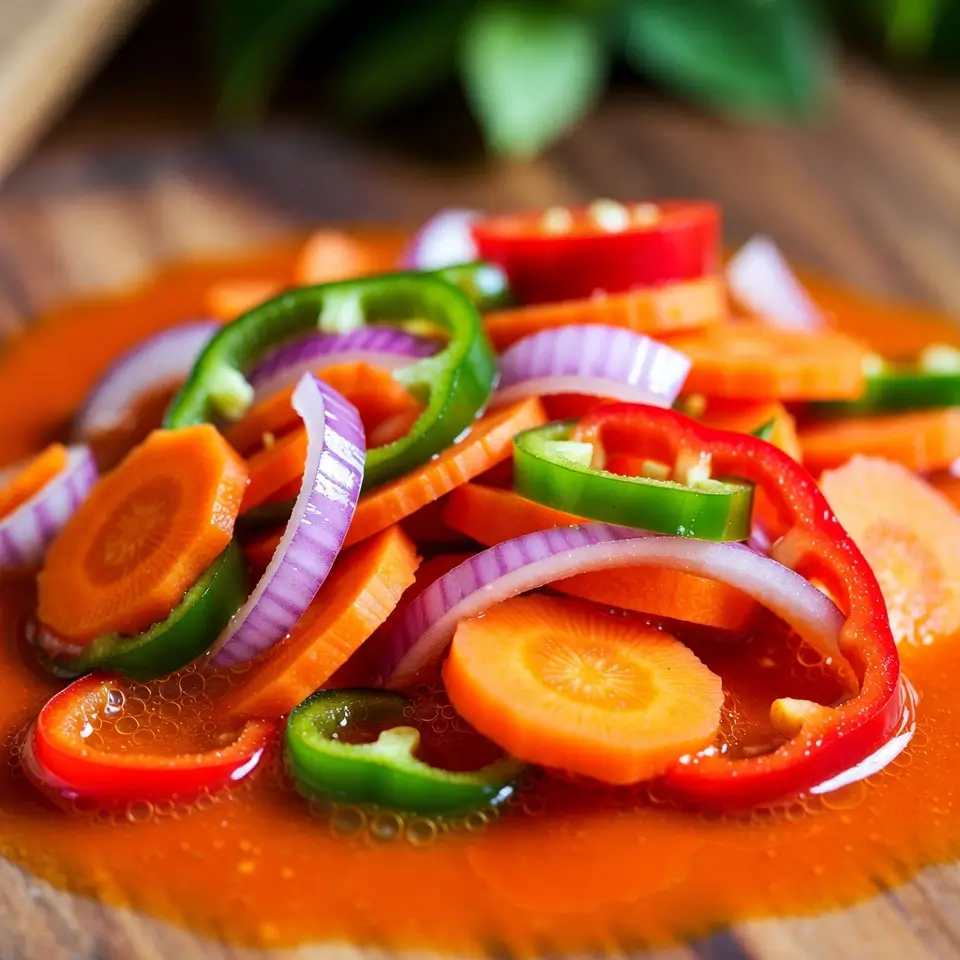
To add color and texture, julienne your vegetables into thin strips. This makes the dish look great and ensures the vegetables cook evenly. Bell peppers, onions, and carrots are the usual choices.
Make sure your cuts are uniform. This will give the vegetables a consistent texture and look. This detail will make your dish stand out.
Sautéing Versus Raw Vegetable Methods
You can sauté or use raw vegetables for the escovitch sauce. Sautéing softens the vegetables and brings out their sweetness. This sweetness complements the vinegar in the sauce. Raw vegetables, on the other hand, keep their crunch and freshness.
The choice between sautéing and using raw vegetables depends on your preference. Some recipes suggest using both for a balanced flavor and texture.
Pouring Hot Sauce Over Fried Fish
Once your escovitch sauce is ready, it’s time to put it all together. Pour the hot sauce over your fried fish, making sure it’s well coated. This step is key as it melds the flavors of the sauce with the fish.
Be careful when pouring the hot sauce, as it can be spicy. You can adjust the heat by changing the amount of Scotch Bonnet peppers in the sauce.
Best Fish Varieties and Sustainable Seafood Choices
Choosing the right fish is key to a great Jamaican Escovitch Fish recipe. The fish type greatly impacts the dish’s taste and authenticity.
When you pick a fish for Jamaican Escovitch, you’re setting the stage for a delicious Caribbean dish. The best fish will soak up the sauce’s flavors without losing its texture.
Why Red Snapper Is the Traditional Choice
Red Snapper is the go-to fish for Jamaican Escovitch Fish. It has a firm texture and mild flavor, perfect for the spicy sauce. The pickling process boosts its taste, making it a favorite in Caribbean cooking.
King Fish, Parrot Fish, and Other Alternatives
If Red Snapper is hard to find, King Fish and Parrot Fish are good substitutes. They have similar textures and tastes that complement the escovitch sauce. King Fish has a sweeter taste, while Parrot Fish is sweeter and more delicate.
It’s also crucial to pick sustainable seafood options for the health of our oceans. Choosing eco-friendly seafood supports the environment and ensures freshness.
| Fish Variety | Sustainability Rating | Seasonality |
| Red Snapper | Moderately Sustainable | Available year-round |
| King Fish | Highly Sustainable | Best during summer months |
| Parrot Fish | Less Sustainable due to overfishing | Available throughout the year |
Serving Your Jamaican Escovitch Fish Like a Pro
Serving Jamaican Escovitch Fish right can make your meal special. This dish is a big part of Jamaican food culture. Serving it the traditional way is key to enjoying it fully.
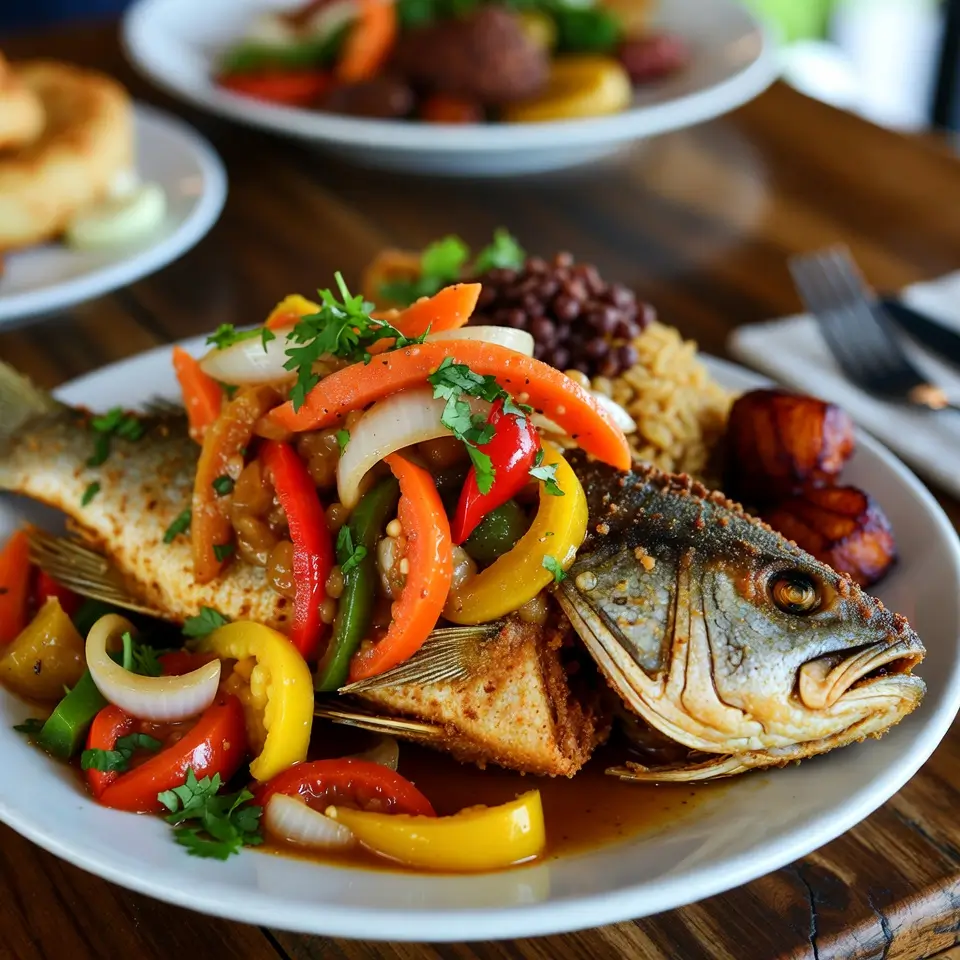
Think about what goes well with the Escovitch Fish. Bammy and Festival are great choices. They’re both part of an authentic Jamaican recipe.
Traditional Accompaniments: Bammy and Festival
Bammy is a flatbread from cassava that goes well with the fish’s tangy taste. Festival is a sweet fried dough that adds a nice contrast. Both are easy to make and add an authentic touch.
To make Bammy, mix cassava flour, salt, and water. Shape into rounds and fry until golden. For Festival, mix flour, sugar, and yeast, then fry until crispy.
Rice and Peas as a Classic Pairing
Rice and peas are another great choice with Jamaican Escovitch Fish. This side dish is a staple in Jamaican cuisine. It pairs well with the fish. To make it, sauté onions, garlic, and peas, then add rice and cook until lightly toasted. Finish with coconut milk and simmer until creamy.
Plating for Family-Style or Individual Servings
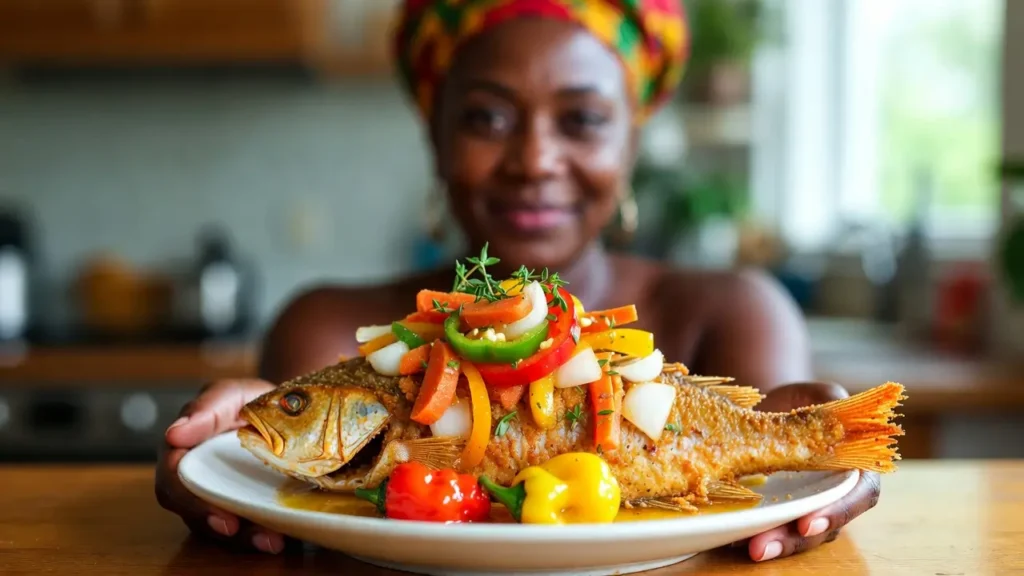
You can serve the fish family-style or in individual servings. For family-style, place the fish on a large platter with the sauce and vegetables. Surround it with your chosen sides. For individual servings, portion out the fish and sides onto separate plates.
Whether you choose family-style or individual servings, garnish with fresh herbs and pimento seeds. This adds color and fragrance. By following these tips, you’ll serve your Jamaican Escovitch Fish like a pro and make a memorable meal for your guests.
Regional Variations and Modern Twists on the Classic Recipe
Caribbean cuisine is rich and diverse, and Jamaican Escovitch Fish is a perfect example. Each island adds its own twist to this seafood dish. You’ll see that while the core is the same, local tastes and ingredients create many variations.
Escovitch Fish is adaptable, making it a favorite across the Caribbean. Each place adds its own flavors and cooking styles. This makes the dish a true showcase of Caribbean culinary diversity.
Differences Across Caribbean Islands
As Escovitch Fish spread across the Caribbean, it picked up local tastes and cooking methods. Some islands make it sweeter, while others prefer it spicier. The type of fish used also varies, with some choosing more sustainable or local seafood.
In the Bahamas, Escovitch Fish comes with peas and rice, a Bahamian favorite. In Jamaica, it’s often served with bammy or festival. This shows how different the sides can be across the region.
According to Chef
“Escovitch Fish is a dish that embodies the spirit of Caribbean cuisine – vibrant, diverse, and full of flavor.”
Contemporary Chef Innovations
Modern chefs have put their own spin on Escovitch Fish. They mix traditional Caribbean tastes with new cooking methods. Some try different vinegars or spices in the sauce, while others add unique ingredients for a modern twist.
- Using sustainable seafood options to reduce environmental impact
- Incorporating global spices and seasonings to create fusion flavors
- Presenting the dish in innovative ways, such as deconstructed or in bite-sized portions
These new ideas keep the tradition alive and make it appealing to younger food lovers.
Tips for Success and Common Mistakes to Avoid
To make your Jamaican Escovitch Fish perfect, follow these expert tips. This dish can be tricky, but with the right advice, you’ll get great results.
Preventing Soggy Fish After Adding Sauce
One common problem with Escovitch Fish is it getting soggy after adding sauce. To avoid this, fry your fish until it’s crispy. Here’s how:
- Fry the fish at the right temperature (around 350°F).
- Don’t overcrowd the frying basket for even cooking.
- Drain excess oil on paper towels before adding the Escovitch sauce.
Also, prepare the Escovitch sauce just before serving. Add it to the fish in a way that prevents it from getting soggy.
Adjusting Spice Levels for Your Preference
Jamaican Escovitch Fish is known for its bold flavors, especially the spicy kick from Scotch Bonnet peppers. If you prefer a milder dish, you can adjust the spice level by:
- Using fewer Scotch Bonnet peppers or substituting them with milder peppers.
- Reducing the amount of pimento seeds or omitting them if you’re particularly sensitive to strong spices.
If you prefer it spicier, add more Scotch Bonnet peppers or let them infuse in the sauce for a longer period.
Making Escovitch Fish Ahead for Gatherings
Escovitch Fish can be made ahead of time, perfect for gatherings. Fry the fish and prepare the Escovitch sauce a day in advance. Store them separately in the fridge and assemble just before serving. This keeps the fish crispy and flavors at their best.
To reheat, warm the sauce and serve it over the fried fish. You can also re-crisp the fish in the oven for a few minutes if needed.
Conclusion
You now know how to make authentic Jamaican Escovitch Fish. This dish is a big part of Jamaican food culture. It mixes fresh fish with a tangy escovitch sauce for a Caribbean taste.
By following the steps in this article, you can learn to make Jamaican Escovitch Fish. You’ll pick the right fish, make the escovitch sauce, and add a vegetable topping. Each part is important for this traditional dish.
Learning about Jamaican Escovitch Fish’s history and cultural importance is rewarding. You’ll see how Spanish and Caribbean influences make it special. So, get your ingredients ready and enjoy this iconic Jamaican dish.
FAQ
What exactly is Jamaican Escovitch Fish?
Jamaican Escovitch Fish is a Caribbean seafood favorite. It’s seasoned, crispy fried fish topped with a spicy, tangy mix of pickled veggies. It’s a big hit at places like Hellshire Beach and family gatherings.
What are the key components of an authentic Escovitch sauce?
A true Jamaican recipe uses a sauce made from white vinegar, sugar, and pimento seeds. It’s spiced up with Scotch Bonnet peppers. The sauce also includes julienned carrots, onions, and bell peppers for a tangy, crunchy topping.
Which type of fish is best suited for this recipe?
Red Snapper is the top choice because its firm flesh stays crispy when fried. But you can also use King Fish, Parrot Fish, or Doctor Fish. The goal is to get a crispy skin to contrast with the tangy sauce.
How do you prevent the fried fish from becoming soggy once the sauce is added?
Fry the fish until it’s very crispy and firm. Then, pour the hot escovitch sauce and veggies over it. The acidity of the sauce will penetrate the meat without making it soggy. Many like to let it sit for hours or overnight to meld the flavors.
What should you serve alongside Jamaican Escovitch Fish?
Serve the fish with Bammy (a thick cassava flatbread) or Festival (sweet, fried cornmeal dumplings). For a filling meal, add Rice and Peas. They complement the spicy and tangy seafood perfectly.
Where did the tradition of Escovitch Fish originate?
Escovitch Fish comes from the Spanish Escabeche method of marinating and preserving meat or fish in an acidic mixture. Jamaicans adapted this with local ingredients like Scotch Bonnet peppers, creating the dish we know today.
Is it possible to adjust the spice level if I am sensitive to heat?
Yes, you can adjust the heat. Remove the seeds and membranes of the Scotch Bonnet peppers to reduce the heat. Or, use larger pepper slices that are easier to avoid. You can also drop a whole pepper into the sauce and remove it before serving.
Can this dish be prepared in advance for a party?
Jamaican Escovitch Fish is perfect for parties. The pickling process enhances the flavors, making it taste better the next day. It’s great served at room temperature, making it a convenient and impressive choice for gatherings.
Did You Try This Recipe ?
There are no reviews yet. Be the first one to write one.