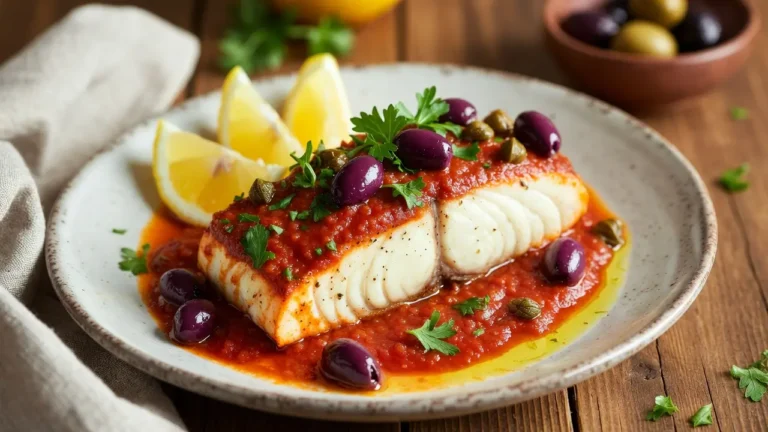
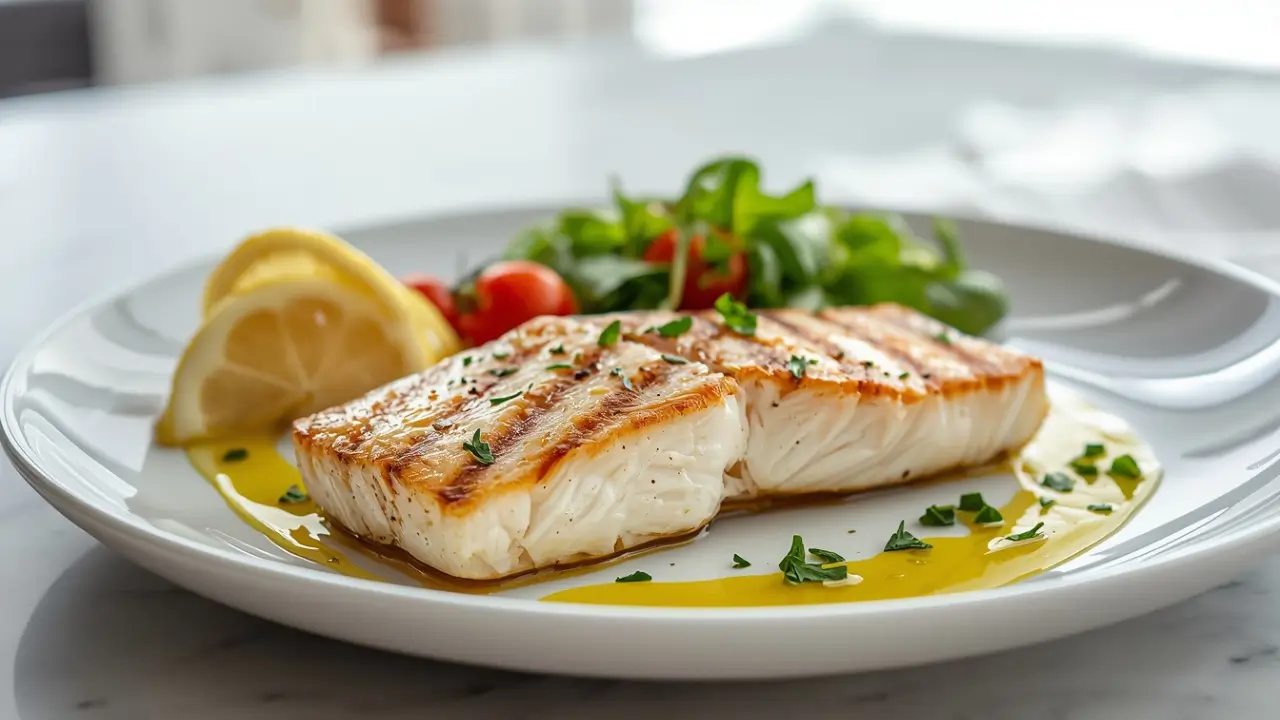
Swordfish Recipe: Flavorful, Healthy Seafood Dish
Looking for a meal that’s both tasty and healthy? Making a swordfish recipe at home is simpler than you think. This firm fish is great for fresh herbs, citrus, and simple spices.
Choosing swordfish gives you omega-3 fatty acids and nutrients for lean muscle. It’s perfect for dinner parties or quick meals. The natural richness of the steak goes well with fresh ingredients.
Learning to make this dish boosts your cooking skills. It’s a healthy dinner option. Let’s dive into the best ways to cook it so it’s always tender and flavorful.
Table of Contents
Key Takeaways
- Swordfish has a dense texture that works well with different cooking methods.
- This fish is rich in lean protein and omega-3 fatty acids, good for the heart.
- Right preparation keeps the meat moist and full of flavor.
- Simple marinades and citrus juices bring out the seafood’s natural taste.
- Cooking it at home saves money and lets you enjoy a gourmet meal.
Understanding the Qualities of Premium Swordfish
Premium swordfish stands out for its firm texture, rich taste, and nutritional value. It’s a healthy choice, thanks to its nutritional profile.
Nutritional Profile and Health Benefits
Swordfish is packed with protein, vitamins, and minerals. It’s a top source of selenium, an antioxidant that protects cells. A 3-ounce serving has about 20 grams of protein, great for those who need more.
It’s also low in saturated fat and calories, making it a healthy swordfish recipe choice. Swordfish has omega-3 fatty acids, which are good for the heart and brain. Eating swordfish can lower inflammation and boost heart health.
How to Select the Freshest Swordfish Steaks
When buying swordfish, look for steaks that feel firm and smell slightly sweet. Steaks with a strong fishy smell or soft feel are not good. They should be vibrant pink or white, depending on the type.
For a swordfish steak recipe, choose steaks that are even and the same thickness. This ensures they cook evenly.
Proper Storage and Thawing Techniques
After picking your swordfish, store it right to keep it fresh. If you won’t use it right away, put it in the coldest part of your fridge. Wrap it tightly in plastic or foil.
For longer storage, freeze it. When you’re ready, thaw it in the fridge or under cold water. Never thaw it at room temperature to avoid bacterial growth.
Learning about premium swordfish and how to store it properly helps you make a tasty and healthy swordfish recipe.
Essential Preparation Tips for the Best Swordfish Recipe
The secret to a mouth-watering swordfish dish lies in the preparation steps you take before cooking. To achieve the best swordfish recipe, focus on a few critical preparation techniques. These techniques enhance the flavor and texture of the fish.
Removing the Skin and Cleaning the Steak
Start by removing the skin from the swordfish steak, if it’s still intact. Use a sharp knife to carefully cut along the edge where the skin meets the flesh. This step is crucial as it helps the marinade penetrate more evenly and can improve the overall texture of the cooked fish.
After skinning, rinse the steak under cold water to remove any remaining scales or debris. Then, pat it gently with paper towels.
The Importance of Patting Fish Dry
Patting the swordfish dry is a simple yet vital step. By doing so, you remove excess moisture from the surface. This is essential for achieving a good sear when cooking.
A dry surface allows for a crisper exterior, contrasting beautifully with the tender interior. Use paper towels to gently pat both sides of the steak until it’s dry to the touch.
Creating the Perfect Marinade Base
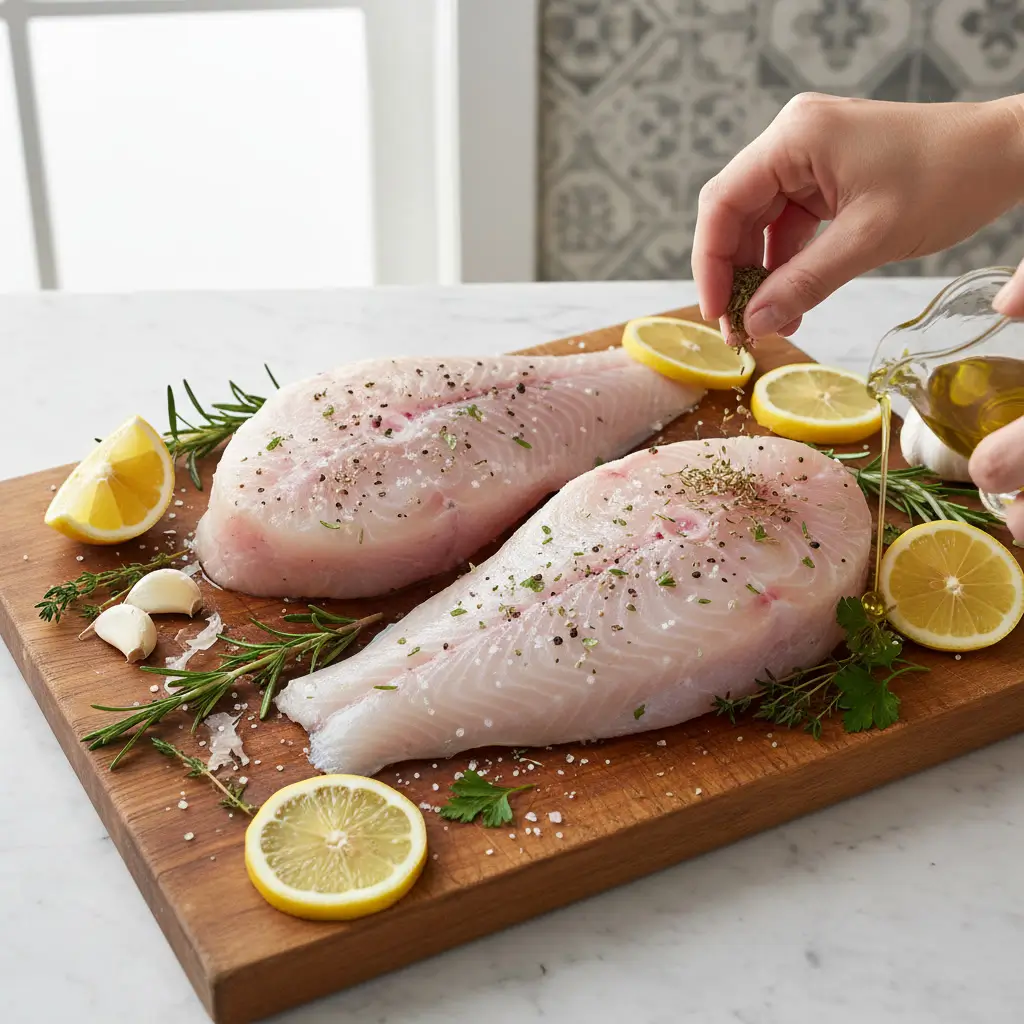
A well-crafted marinade can elevate your swordfish dish to new heights. Start with a base of olive oil, which adds moisture and helps carry flavors. You can then add various flavor components like citrus juice, herbs, and spices.
For a Mediterranean twist, consider incorporating elements like garlic, lemon zest, and chopped olives into your marinade. The key is to balance the flavors so they complement the natural taste of the swordfish without overpowering it.
To create the best swordfish recipe, don’t over- marinate the fish. Swordfish is a dense fish and can become mushy if marinated for too long. A marinating time of 30 minutes to 1 hour is usually sufficient. This allows the flavors to penetrate the surface without compromising the texture.
Mastering the Grilled Swordfish Recipe
To master the grilled swordfish recipe, you need to understand high-heat cooking. It’s about keeping the fish moist. Grilling swordfish is simple but needs focus for a great dish.
Preparing Your Grill for High-Heat Cooking
First, get your grill ready for high heat. Heat it to 400°F to 450°F. Clean the grates and brush them with oil to stop the swordfish from sticking.
Follow these steps:
- Preheat the grill to the right temperature.
- Clean the grates thoroughly.
- Oil the grates to prevent sticking.
Achieving Professional Sear Marks
Professional sear marks make your swordfish look and taste better. To get them, make sure your grill is hot and the swordfish is dry. Pat the swordfish dry before grilling.
Here are some tips for great sear marks:
- Ensure the swordfish is at room temperature before grilling.
- Don’t overcrowd the grill, as this can lower the temperature.
- Don’t move the swordfish too much; let it sear for a few minutes on each side.
Timing Your Grill for Optimal Moisture
Timing is key to keep swordfish moist. Cook swordfish steaks for 4 to 6 minutes per side. Use a meat thermometer to check for doneness; it should be 145°F. Avoid overcooking to keep it moist.
To keep your swordfish moist:
- Don’t overcook the swordfish.
- Use a thermometer to check for doneness.
- Let the swordfish rest for a few minutes before serving.
Techniques for a Delicious Baked Swordfish Recipe
Baking swordfish is easy and healthy, making it a tasty dish. It’s great because you can add many flavors to it. This makes it perfect for many types of food.
Setting the Ideal Oven Temperature
To bake swordfish right, you need the right oven temperature. Heat your oven to 400°F (200°C). This temperature helps the fish cook evenly and fast, keeping it moist and flavorful. High heat is key for a nice outside and a tender inside.
Using Parchment Paper or Foil for Steam
Wrapping swordfish in parchment paper or foil keeps it moist and flavorful. This creates a steamy space that cooks the fish gently. It’s great for keeping the swordfish from drying out. The steam helps cook the fish evenly and makes it more tender.
Adding Aromatics and Citrus for Flavor
To make baked swordfish taste better, add aromatics and citrus. Use lemon slices, garlic, and herbs like thyme or rosemary. These add nice flavors to the fish, making it taste even better. The lemon’s acidity balances the fish’s richness.
With these techniques, you can make a tasty, healthy, and beautiful baked swordfish dish. The secret is in the details: the right temperature, steam, and flavorful ingredients.
Perfect Swordfish Recipe: Grilled, Baked & Pan-Seared Guide
How to cook the perfect swordfish recipe with grilling, baking, and pan-searing methods. Includes tips, marinades, mistakes to avoid, and healthy serving ideas.
Type: Main Course
Cuisine: Mediterranean / Seafood
Keywords: swordfish recipe, grilled swordfish, baked swordfish, easy seafood dinner, healthy fish recipe, Mediterranean fish recipe, weeknight dinner
Recipe Yield: 2 servings
Calories: 320 calories per serving (estimated based on swordfish steak)
Preparation Time: PT15M
Cooking Time: PT12M
Total Time: PT27M
Recipe Ingredients:
- 2 swordfish steaks
- 2 tbsp olive oil
- 2 tbsp lemon juice
- 2 cloves garlic (minced)
- 1 tsp lemon zest
- 1 tbsp chopped fresh parsley or dill
- 1 tsp dried oregano or thyme
- Salt and black pepper to taste
- Optional: olives or capers for Mediterranean flavor
- Optional: butter for basting
Recipe Instructions: Pat swordfish steaks dry with paper towels. Mix olive oil, lemon juice, garlic, herbs, salt, and pepper to create a marinade. Marinate swordfish for 30–60 minutes. Preheat grill, oven, or skillet to medium-high heat. Cook swordfish 4–6 minutes per side until internal temp reaches 145°F. Optional: baste with herb butter during final minute. Rest fish for 3 minutes before serving. Serve with vegetables, salad, or grains and enjoy.
4.9
Developing an Easy Swordfish Recipe for Weeknight Dinners
Making an easy swordfish recipe for weeknights is about being quick and tasty. You can make a healthy meal by using a few simple techniques and ingredients.
Quick Pan-Searing Methods
Pan-searing is a fast way to cook swordfish. Start by heating a skillet over medium-high heat and adding a bit of oil. Make sure the oil is hot before adding the swordfish to get a nice sear. Cook for 3-4 minutes on each side, until it’s done to your liking.
Here are some tips for pan-searing swordfish:
- Use a cast-iron or stainless steel pan, as they keep heat well.
- Don’t overcrowd the pan for even cooking.
- Don’t press down on the fish with your spatula, as it can lose juices.
Simple Herb and Butter Basting
Basting your swordfish with herb butter adds flavor. Mix softened butter with minced herbs like parsley, dill, or thyme, and a squeeze of lemon juice. This will not only add flavor but also keep the fish moist.
To baste your swordfish:
- Melt the herb butter in the pan after searing the swordfish.
- Spoon the melted butter over the swordfish repeatedly during the last minute of cooking.
- Serve the swordfish with the remaining herb butter spooned over the top.
Pairing with Fast-Cooking Sides
To finish your weeknight dinner, pair your swordfish with quick sides. Some options include:
- Roasted vegetables like asparagus or Brussels sprouts.
- Quick sautéed greens such as spinach or kale.
- Simple salads with mixed greens and a light vinaigrette.
These sides can be ready in 10-15 minutes, perfect for a quick meal. Pairing your pan-seared swordfish with one of these options makes for a complete and satisfying dinner.
Flavor Profiles and Seasoning Pairings
Finding the right flavors can turn a simple swordfish recipe into a masterpiece. Trying different seasonings can make the swordfish taste better and let you explore new cuisines. Swordfish is great for any taste, from classic to adventurous, because it’s so versatile.
Mediterranean Influences with Olives and Capers
Mediterranean flavors are perfect for swordfish, giving it a rich taste. Adding olives, capers, and sun-dried tomatoes brings out a salty, umami flavor. A marinade with olive oil, lemon juice, garlic, and herbs like oregano and thyme can make your swordfish taste like the Mediterranean.
To make it even better, try adding feta cheese or tzatziki sauce. The trick is to keep the swordfish the main attraction.
| Mediterranean Ingredients | Flavor Contribution | Usage Tips |
| Olives | Salty, savory flavor | Chop and add to marinades or use as a topping |
| Capers | Tangy, slightly bitter | Use sparingly due to their strong flavor; add to sauces or as a garnish |
| Sun-dried Tomatoes | Rich, umami | Blend into marinades or sauces for added depth |
Citrus and Herb Infusions
Citrus and herbs offer a light and fresh twist on swordfish. The zing of citrus, like lemon or orange, complements the fish’s richness. Mix citrus juice, olive oil, garlic, and herbs like parsley or dill for a marinade that’s both refreshing and flavorful.
This mix is perfect for grilled or baked swordfish, adding moisture and flavor. Adding citrus zest can give an extra citrus kick.
Spicy Rubs and Bold Global Flavors
For a bolder taste, try spicy rubs or global flavors. A spicy rub with chili powder, cumin, and smoked paprika can add a smoky heat. Or, use Asian soy sauce and ginger or Indian curry powder for complex flavors.
When using strong flavors, balance them to enhance the swordfish without overpowering it. Start with a small amount of seasoning and adjust to taste, keeping the fish’s natural flavor in mind.
Common Mistakes to Avoid When Cooking Swordfish
To make sure your swordfish is moist and tasty, avoid common mistakes. Swordfish is a delicate fish that needs careful handling and cooking. This helps keep its texture and flavor just right.
Preventing Overcooking and Dry Texture
One big mistake is overcooking swordfish. It can become dry and tough, losing its flavor. To avoid this, cook swordfish until it reaches an internal temperature of 145°F. A thermometer is a great tool to get it just right.
- Watch the cooking time, as swordfish cooks fast.
- Use medium-high heat to sear the outside quickly, keeping it moist.
- Don’t overcrowd the grill or pan, as this can lower the temperature and lead to uneven cooking.
Avoiding Over-Seasoning Delicate Fish
Swordfish has a delicate flavor that can be easily overpowered by too many or too strong seasonings. To avoid over-seasoning, start with a simple seasoning blend and adjust to taste. Use herbs and citrus to enhance the natural flavor without overwhelming it.
Here are some tips for seasoning swordfish:
- Start with a light coating of olive oil or another mild oil.
- Add a sprinkle of salt, pepper, and your choice of herbs.
- Squeeze a bit of fresh lemon or lime juice over the top for added brightness.
Managing Heat Levels for Even Cooking
Managing the heat is crucial for cooking swordfish evenly. Too high heat can burn the outside before the inside is fully cooked, while too low heat can result in a soggy texture. Preheating your grill or pan to the right temperature is key.
For grilling or pan-searing, use these heat management tips:
- Preheat your grill to medium-high heat or your pan over medium heat.
- Sear the swordfish for 3-4 minutes per side, depending on the thickness.
- Finish cooking it over lower heat if necessary, to prevent burning.

Serving Suggestions and Wine Pairings
Make your meal special by pairing your swordfish with the right sides and wines. Whether you grilled or baked your swordfish, the right sides can make it even better.
Complementary Vegetable Side Dishes
Choosing the right vegetables can really bring out the flavor of swordfish. Try roasting or grilling asparagus, bell peppers, or zucchini for a smoky taste. A fresh salad with greens, cherry tomatoes, and a light dressing is also great.
- Roasted asparagus with lemon and parmesan
- Grilled bell peppers with a hint of olive oil and salt
- Sauteed spinach with garlic and cherry tomatoes
These sides add variety and nutrition to your meal. For something more filling, try quinoa or brown rice bowls with roasted veggies.
Selecting the Right Wine for Seafood
Choosing wine for seafood, like swordfish, is easy if you know the basics. A dry and crisp white wine is best for swordfish. Sauvignon Blanc and Pinot Grigio are great because they have citrus and green apple flavors that match the fish.
“The key to pairing wine with seafood is to balance the delicate flavors of the fish with the wine’s acidity and body.”
A wine expert
If you like rosé, a dry one can also pair well with swordfish, perfect for summer. For red wine fans, a light-bodied Pinot Noir works well, even if you grilled the swordfish.
Plating Techniques for a Restaurant-Quality Look
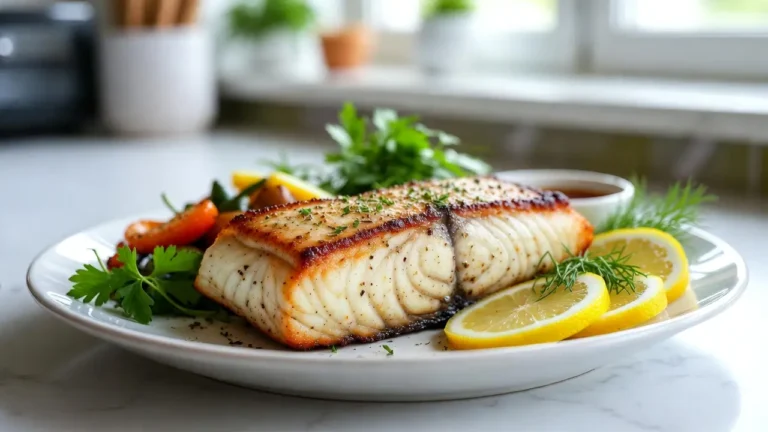
The way you present your dish matters a lot. Start with a clean, simple plate. Put the swordfish steak in the middle and arrange your sides around it.
Adding fresh herbs like parsley or dill can brighten up the dish. Drizzling a sauce or reduction around the plate also adds to the look.
- Place the swordfish steak in the center of the plate.
- Add a portion of your chosen side dish.
- Garnish with fresh herbs or a slice of citrus.
By focusing on these details, you can make a simple meal into a memorable dining experience.

Conclusion
Now you know how to make swordfish in many ways, like grilling and baking. You can now make a tasty and healthy meal. Swordfish is a great choice for any meal because it’s flavorful and nutritious.
Follow the tips and techniques from this article to cook swordfish perfectly. You can choose from Mediterranean flavors or spicy dishes. There’s a recipe for everyone.
Try different seasonings and cooking methods to find your favorite swordfish recipe. Swordfish is versatile and works well in many dishes. It’s a great choice for any meal.
FAQ
What is the secret to making the best swordfish recipe at home?
To make the best swordfish recipe, start with high-quality ingredients. Choose firm, pinkish-white steaks from a trusted source like Whole Foods Market. Make sure not to overcook them.Use a Thermapen digital thermometer to cook the fish to 130°F to 135°F. This ensures it stays moist and succulent.
How can I ensure my grilled swordfish recipe stays juicy?
For a juicy grilled swordfish recipe, preheat your Weber grill to high. Oil the grates to prevent sticking. Sear the steaks quickly, about 5 minutes per side.Brush with Kerrygold butter and herbs in the last minute. This adds moisture and flavor.
What makes this a particular healthy swordfish recipe?
This healthy swordfish recipe focuses on lean protein and healthy fats. Use Colavita Extra Virgin Olive Oil and lemon juice instead of heavy sauces. Swordfish is rich in Omega-3s, Vitamin D, and selenium, boosting heart health.
Is there an easy swordfish recipe suitable for a busy weeknight?
Yes, a simple easy swordfish recipe is pan-searing in a Le Creuset skillet. Season with McCormick Mediterranean Sea Salt and black pepper. Sear for 4 to 5 minutes per side.Pair with quick sides like steamed asparagus or baby spinach for a fast, high-quality meal.
What are the best techniques for a baked swordfish recipe?
For a baked swordfish recipe, preheat to 400°F. Place steaks in a Pyrex dish and cover with Reynolds Wrap or parchment paper. This creates a steam pocket.Add dry white wine, like Kim Crawford Sauvignon Blanc, to the dish. It enhances aroma and moisture.
How should I prepare my fish for a swordfish steak recipe?
Before starting, pat the steaks dry with Bounty paper towels. This ensures a good sear and prevents moisture issues. Also, trim the dark bloodline for a milder taste.
What seasonings are recommended for a delicious swordfish recipe?
For a delicious swordfish recipe, use bold, Mediterranean flavors. A marinade with Star capers, garlic, oregano, and lemon zest works well. For heat, add Old Bay Seasoning or smoked paprika.
Did You Try This Recipe ?
There are no reviews yet. Be the first one to write one.