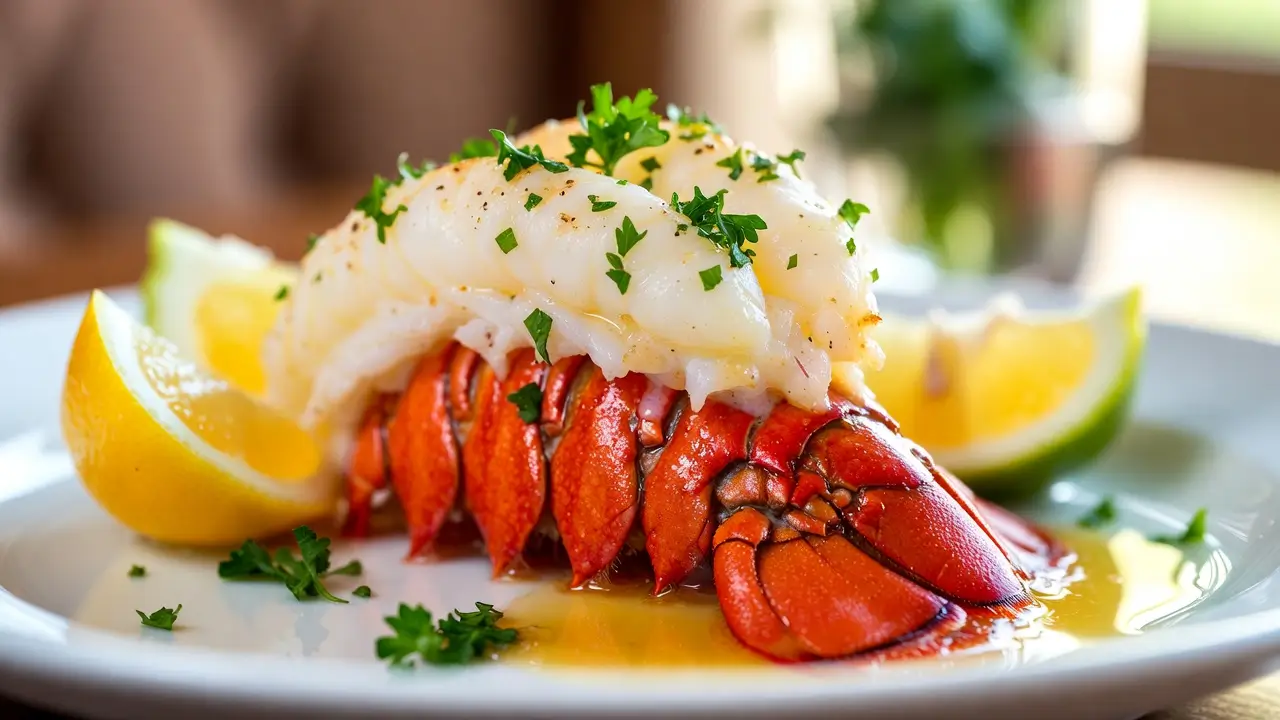
Succulent Lobster Tail: A Decadent Seafood Treat
Indulge in the rich flavors of the ocean with a decadent delight that’s sure to impress: a succulent delicacy. This dish is perfect for special occasions or when you want to treat yourself to something extraordinary.
You deserve to savor the tender, flavorful flesh of a perfectly cooked delicacy. Whether you’re a seafood connoisseur or just looking to elevate your dining experience, this luxurious treat is sure to leave a lasting impression.
Table of Contents
Key Takeaways
- Experience the rich flavors of the ocean with a succulent lobster tail.
- Perfect for special occasions or as a luxurious treat.
- A symbol of seafood luxury, sure to impress.
- Tender and flavorful flesh, cooked to perfection.
- Elevate your dining experience with this extraordinary dish.
The Luxurious World of Lobster
Indulge in the opulence of a delicacy that epitomizes luxury dining. You are about to enter a world where the rich flavor and tender texture create an unforgettable culinary experience. The luxurious world of this seafood is not just about the taste; it’s an experience that combines exquisite presentation, rich cultural heritage, and the finest dining traditions.
What Makes Lobster a Premium Delicacy
This seafood is considered a premium delicacy due to several factors. Its succulent meat is rich in flavor and tender in texture, making it a sought-after ingredient in high-end cuisine. The process of harvesting and preparing this seafood is labor-intensive, contributing to its luxury status. You will appreciate the care and craftsmanship that goes into bringing this delicacy to your table.
- High-quality protein content
- Luxurious texture and flavor
- Labor-intensive harvesting process
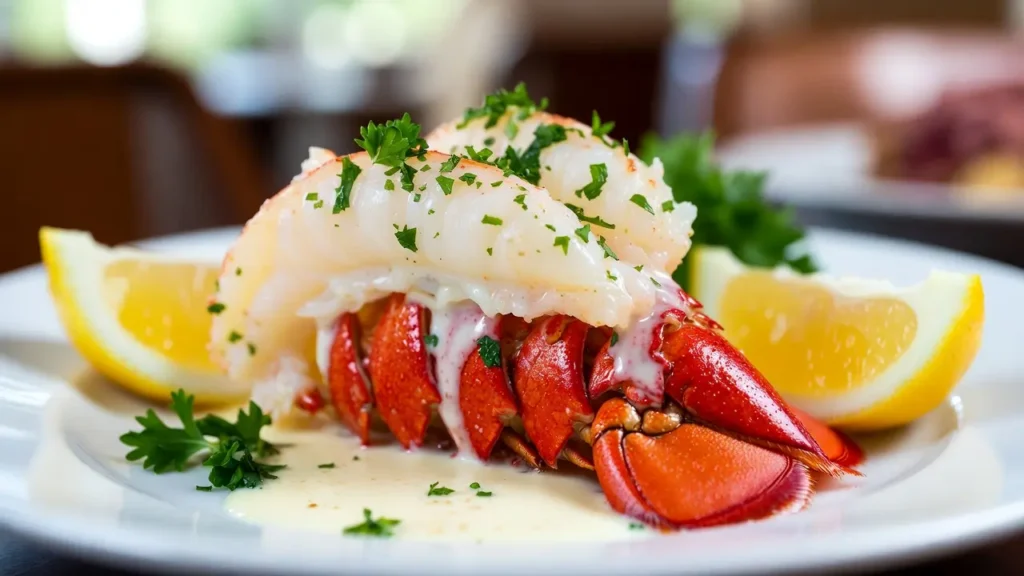
The Cultural Significance of Lobster
It has a rich cultural significance that spans across various cuisines, particularly in coastal regions. In many cultures, this seafood is seen as a symbol of prosperity and is often served at special occasions. You may find that it is a centerpiece in many gourmet meals, reflecting its importance in culinary traditions.
The cultural significance of this seafood is also reflected in its versatility in different recipes and cooking methods, making it a favorite among chefs and food enthusiasts alike.
Types of Lobster You Should Know
Exploring the different types of lobster can make your dining experience better. Each type has its own taste and texture.
Cold Water vs. Warm Water Varieties
Cold water lobsters, like those from Maine, are tender and flavorful. Warm water lobsters, from the Caribbean or Australia, taste slightly different. Cold water varieties are often seen as more luxurious.
The taste difference between cold and warm water lobsters is significant. Cold water lobsters live in deeper, colder waters. This makes their flavor more complex.
Regional Lobster Differences
Where lobster tails come from affects their taste and texture. Let’s look at some famous types:
Maine Lobster
Maine lobster tail is famous for its exceptional flavor and tender texture. It comes from the cold waters off Maine’s coast. It’s a true delicacy.
Caribbean Spiny Lobster
The Caribbean Spiny Lobster Tail has a firmer texture and sweet taste. It’s popular for being affordable and easy to find.
Australian Rock Lobster
Australian Rock Lobster Tail is known for its rich, buttery flavor and soft texture. It comes from Australia’s waters. It’s loved for its quality and is often found in fancy restaurants.
| Type of Lobster Tail | Flavor Profile | Texture |
|---|---|---|
| Maine Lobster | Rich, succulent | Tender |
| Caribbean Spiny Lobster | Sweet, slightly firm | Firmer |
| Australian Rock Lobster | Buttery, rich | Succulent |
As shown in the table, each The Luxurious World of Lobster Tail type is unique. A seafood expert says, “Choosing the right lobster tail can really make your meal special. It’s worth trying different ones.”
“Lobster is a delicacy that deserves to be savored. Understanding the different types can enhance your appreciation for this luxurious seafood.”
— Seafood Connoisseur
How to Select the Perfect Lobster
To enjoy the rich flavor and tender texture of lobster tail, you must know how to pick the best one. Choosing the perfect lobster involves several key factors. These factors impact both the taste and quality of your meal.
Visual Indicators of Freshness
When picking a lobster tail, visual inspection is crucial. Look for tails with a vibrant color. This could be the rich red of cooked lobster or the more subdued tones of raw lobster. The meat should appear firm and have a sheen to it.
Avoid any lobster with discoloration or a dry appearance. These signs indicate age or poor handling.
Frozen vs. Fresh: Making the Right Choice
The debate between frozen and fresh lobster often comes down to availability, price, and personal preference. Fresh lobster is often more desirable. But frozen lobster can be just as good if it’s been properly preserved.
Frozen lobster is often flash-frozen soon after harvesting. This locks in freshness. When choosing between the two, consider your cooking plans and the convenience you need.
Sustainable Sourcing Considerations
Sustainable sourcing is key when selecting lobster tail. Look for certifications like the Marine Stewardship Council (MSC) label. This label indicates that the lobster was caught using methods that minimize environmental impact.
Enjoying this seafood, whether at a fancy restaurant or at home, is a tradition of fine dining. Its versatility lets you create simple or elaborate dishes. It’s perfect for any special occasion.
Conclusion: Embracing the Indulgence of Lobster Tail
Sustainable sourcing ensures the long-term viability of lobster fisheries. It also supports ethical seafood practices.
By considering these factors—visual indicators of freshness, the choice between frozen and fresh, and sustainable sourcing—you can make an informed decision. This ensures a delicious and responsible dining experience.
Where to Buy High-Quality Lobster
Looking for lobster tail? It’s important to find a good supplier. Whether for a special dinner or to add to your seafood collection, knowing where to buy is key.
Specialty Seafood Markets
Specialty seafood markets are top choices for lobster. They get their products from reliable fisheries. You’ll find fresh and frozen lobster tails here.
When you visit, look for lobsters that appear fresh. Make sure they’re stored right.
Reputable Online Retailers
Online shopping makes buying lobster easy. Sites like FultonFishMarket and LobsterAnywhere have many lobster products. Look for sustainably sourced options.
Always read reviews and check shipping to keep your seafood fresh.
Grocery Store Selection Tips
Many grocery stores sell lobster tail, fresh and frozen. When buying, look for signs of freshness. Check the texture and smell.
Frozen lobster tail can be great if stored and thawed right.
Understanding the Cost of Lobster
Knowing how much lobster tail costs is key to smart buying. The price can change a lot based on different things.
Factors That Influence Pricing
Several important things affect lobster prices. Freshness and quality are top priorities. Fresh lobster tail is pricier because it tastes better and feels softer.
The source of the lobster also matters. Lobster from cold waters is often more expensive. This is because it tastes better.
Seasonal Price Fluctuations
Lobster prices change with the seasons. When fishing is at its peak, there’s more lobster tail around. This makes prices go down.
But, when fishing is slow, prices might go up. Knowing when to buy can help you save money.
By understanding these factors and seasonal changes, you can buy lobster tail wisely. This way, you’ll get the most value for your money.
Essential Preparation Techniques for Lobster Tail
Preparing lobster tail is an art that starts with knowing the basics. To enjoy it, you must thaw, butterfly, and cook it right.
Proper Thawing Methods
Thawing lobster tail correctly is key to keeping its texture and taste. You can thaw it in the fridge overnight or in cold water for 30 minutes. Never thaw lobster tail at room temperature or in hot water, as it can cause bacterial growth and illness.
Butterflying Your Lobster
Butterflying lobster tail makes it cook evenly and look better. Here’s how to do it:
Step-by-Step Butterfly Technique
- Hold the lobster tail with the shell up.
- Cut through the top shell from the tail end to the head.
- Pry the shell open and lift the meat, keeping it attached at the tail end.
Common Mistakes to Avoid
When butterflying, don’t cut too deep into the meat or break the shell. This can make cooking uneven and the dish less appealing.
Shell Removal Techniques
Removing the shell from cooked lobster tail can be tricky. But, there are ways to make it easier. You can twist the tail to pull out the meat or use kitchen shears to cut along the shell sides and then remove it.
| Technique | Description | Advantages |
|---|---|---|
| Twisting | Twist the tail to remove the meat | Easy, minimal equipment needed |
| Using Kitchen Shears | Cut along the shell and remove | Precise control, less risk of breaking meat |
Mastering Lobster Tail Cooking Methods
To get the most out of lobster tail, knowing how to cook it is key. Whether it’s for a special dinner or a big feast, the right way to cook makes a big difference.
Boiling to Perfection
Boiling is easy for cooking lobster tail. Start by boiling a big pot of saltwater. Use 1 tablespoon of salt for every 4 cups of water. Then, add the lobster tail and cook for 1-2 minutes per ounce until it’s firm and white.
Gentle Steaming Approach
Steaming is great for lobster tail because it keeps the flavor and texture delicate. Put a steamer basket in a big pot with 2 inches of water. Boil the water, then lower the heat. Put the lobster tail in the basket, cover, and steam for 8-12 minutes until it’s cooked.
Baked Lobster Techniques
Baking lobster tail brings out its natural flavors. Heat your oven to 400°F (200°C). Rinse the lobster tail, pat it dry, and put it on a baking sheet. Brush with butter, season with salt, pepper, and herbs. Bake for 12-15 minutes until it’s white and flakes easily.
Grilling for Smoky Flavor
Grilling lobster tail adds a smoky taste. Heat your grill to medium-high. Brush the lobster tail with melted butter and season. Grill shell side down for 5-7 minutes. Flip and cook for 2-3 minutes more, until it’s white and slightly charred.
| Cooking Method | Cooking Time | Flavor Profile |
|---|---|---|
| Boiling | 1-2 minutes per ounce | Delicate, slightly salty |
| Steaming | 8-12 minutes | Preserves natural flavor |
| Baking | 12-15 minutes | Enhanced natural flavors |
| Grilling | 5-7 minutes per side | Smoky, slightly charred |
Learning these cooking methods lets you enjoy lobster tail in many ways. Whether you like boiling’s simplicity or grilling’s smokiness, the key is to cook it carefully.
Gourmet Lobster Recipes Worth Trying
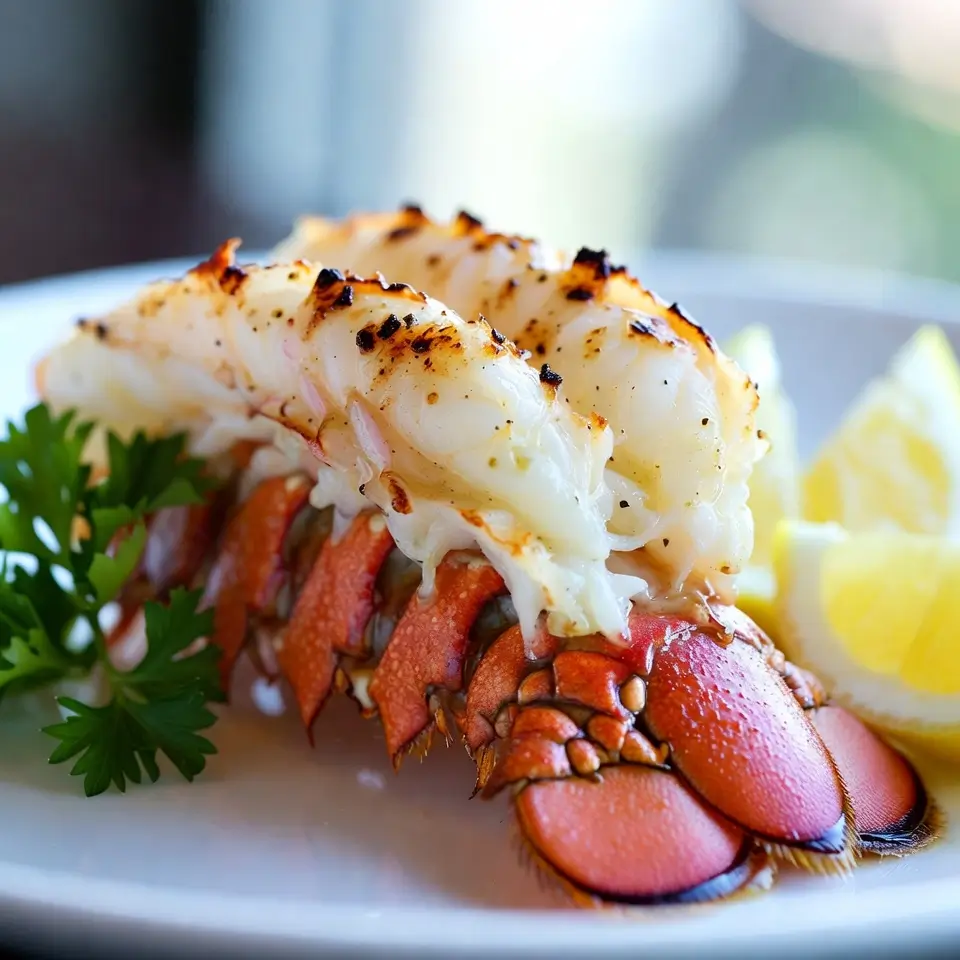
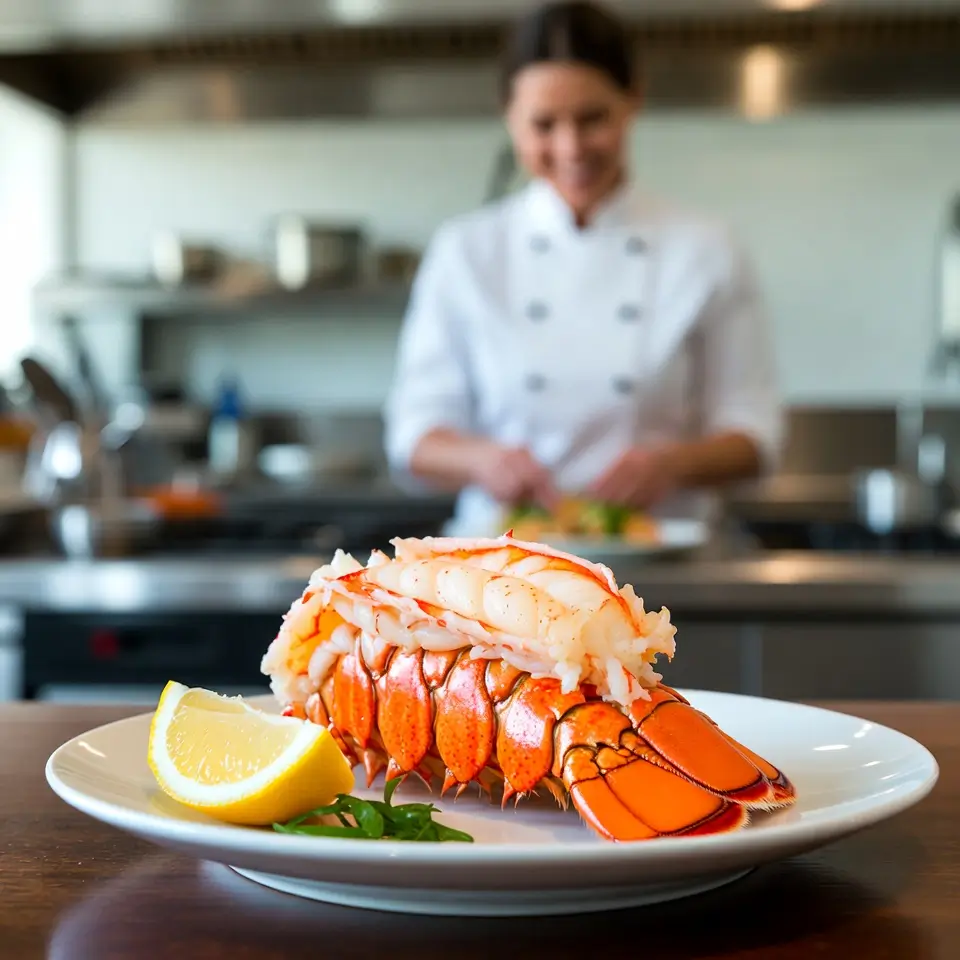
Explore the art of lobster tail cooking with our gourmet recipes. Lobster tail is perfect for many dishes, from classic to innovative. These recipes will help you make unforgettable meals.
Classic Butter-Poached Lobster
Butter-poached lobster tail is a luxurious dish. Poach the lobster in melted butter, white wine, and aromatics until tender. Serve with more melted butter for dipping, enjoying its rich flavors.
Garlic Lemon Butter Lobster
Garlic lemon butter lobster tail offers a fresh twist. It mixes butter’s richness with lemon’s zest and garlic’s flavor. Just sauté garlic, add lemon, then butter and lobster.
Elegant Lobster Thermidor
Lobster Tail Thermidor is a French classic for special events. Fill the lobster with meat, butter, and spices, then bake until golden. It’s a stunning dish that will wow your guests.
Perfect Surf and Turf Combinations
Pair lobster tail with a grilled steak for a surf and turf feast. Season the steak, grill it, and serve with lobster. It’s a hearty, indulgent meal.
These lobster tail recipes add variety to your cooking. They’re perfect for special occasions or a treat. These dishes will surely impress.
Lobster Nutrition and Health Profile
Lobster is great for a balanced diet because it’s full of nutrients and health benefits. It’s important to know what’s in lobster tail and how it helps your health.
Nutritional Composition and Benefits
Lobster tail is packed with protein, vitamins, and minerals. It’s especially rich in vitamin B12, selenium, and zinc. These nutrients help with energy, immune function, and fighting off free radicals. A 3-ounce serving has about 70-80 calories, making it a good choice for those watching their calories but wanting more protein.
| Nutrient | Amount per 3 oz serving | % Daily Value |
|---|---|---|
| Protein | 16-18 grams | 30-35% |
| Vitamin B12 | 20-25 mcg | 300-400% |
| Selenium | 40-50 mcg | 60-80% |
| Zinc | 1-2 mg | 5-10% |
Dietary Considerations and Allergies
Even though lobster is nutritious, it can cause allergies in some people. Shellfish allergies, including lobster, can lead to serious reactions. If you’re allergic to shellfish, stay away from lobster. But for those who aren’t allergic, lobster tail can be a healthy part of a balanced diet when eaten in moderation.
Creating the Complete Lobster Tail Dining Experience
Make your dining experience better with great pairings and presentation. A fancy dinner is more than just the main dish. It’s about setting the mood and matching flavors that bring out the seafood’s taste.
Complementary Wine and Beverage Selections
Choosing wine for lobster tail, dry white wines like Chardonnay or Sauvignon Blanc are top picks. For cocktails, a Daiquiri or Mojito can match the lobster’s rich taste. Think about how your lobster is cooked; for example, a smoky grilled tail goes well with Pinot Grigio.
Ideal Side Dishes and Accompaniments
Choosing the right sides can make your lobster tail dinner even better. Go for garlic mashed potatoes, steamed asparagus, or a fresh green salad. For a fancy touch, try truffle mac and cheese or roasted vegetables with lemon and herbs.
Presentation Techniques for Special Occasions
For special occasions, how you present your lobster tail matters a lot. Arrange your sides artfully, add fresh herbs, or serve on ice for a wow factor. Use fine china and linens to add to the luxury.
Conclusion: Embracing the Indulgence of Lobster Tail
Lobster is more than a fancy seafood choice. It’s a treat that makes any meal special. Its rich flavor and tender texture add to the luxury.
Enjoying lobster tail, whether at a fancy restaurant or at home, is a tradition of fine dining. Its versatility lets you create simple or elaborate dishes. It’s perfect for any special occasion.
Exploring luxury seafood means discovering the joy of lobster. It’s not just about the taste. It’s about the experience it brings. So, indulge in this luxury and enjoy the rich flavors and elegant setting.
FAQ
What is the best way to cook a lobster tail?
Cooking a lobster can be done in several ways. You can grill, bake, steam, or boil it. The key is to not overcook it for the best taste.
How do I thaw frozen lobster tail?
To thaw frozen lobster, put it in a bag and soak it in cold water. Change the water every 30 minutes. Or, thaw it in the fridge overnight.
What are the nutritional benefits of lobster tail?
Lobster is packed with protein and low in fat. It’s also rich in vitamins B12, selenium, and omega-3s. Plus, it’s low in calories, making it a healthy choice.
How much does lobster tail typically cost?
Lobster prices vary based on type, size, and source. Expect to pay between $30 to $60 per pound. Prices change with the seasons.
Where can I buy high-quality lobster tail?
Find high-quality lobster at seafood markets, online, or well-stocked grocery stores. Look for freshness and sustainable sources.
Can I grill lobster tail?
Yes, grilling is a great way to cook lobster. Brush it with butter or oil, season, and grill over medium heat until done.
How do I butterfly a lobster tail?
To butterfly a lobster, cut the top shell without cutting the meat. Open the shell and loosen the meat, keeping it attached at the tail. This method cooks evenly and looks good.
Did You Try This Recipe ?
There are no reviews yet. Be the first one to write one.